FolkloreThursdayのTwitterイラスト検索結果。 3,671 件中 69ページ目


#folklorethursday Scandinavian trolls were described as stupid and slow, and were rumored to keep bears as pets. Their simple lifestyle was one of peace unless they felt threatened, in which case they would respond with savage violence.


"Come away, O human child!
To the waters and the wild
With a faery, hand in hand,
For the world's more full of weeping than you can understand."
William Butler Yates, The Stolen Child
🎨Adam Oehlers
#FolkloreThursday

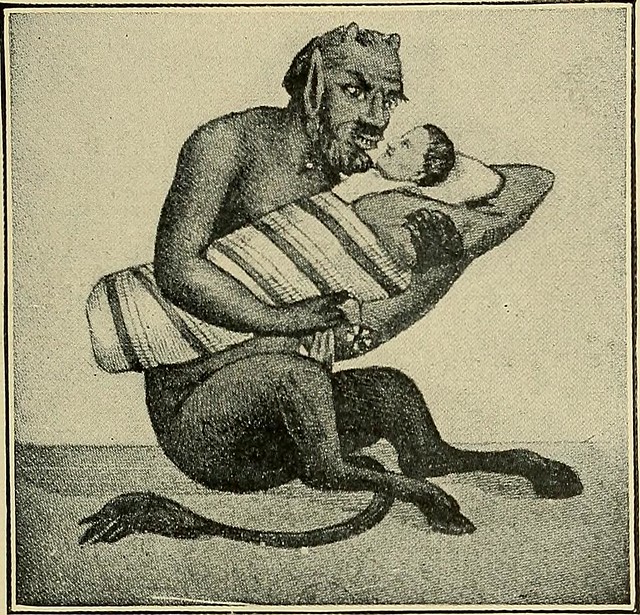
In the fens a mother would never suckle her child during a thunderstorm as it was thought to taint her milk with brimstone and sulphur. #FolkloreThursday


Changelings (or aufs/oafs) are creatures from religious folklore in Europe.
They were believed to be fairy children, that replaced human children to be cared for. This theme became popular to reflect on infants with disorders and disabilities.
#FolkloreThursday #Changelings

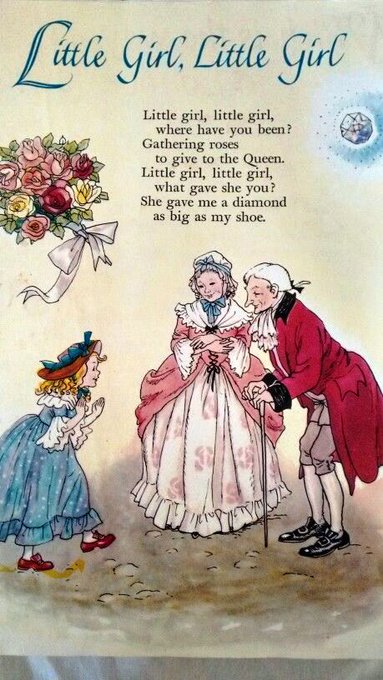

Remembering Hilda Boswell (1903-1975) illustrator of The Treasury of Nursery Rhymes & other children’s books.
Working in watercolours, she brought rhymes to life, often wearing delightful period costumes.
#childlore #folklorethursday


Ida Rentoul Outhwaite (1888-1960), was a Melbourne-born illustrator who created fairy images in Australian settings. Working at the same time as Arthur Rackham & Cicely Mary Barker, she raised the bar for #illustration in children’s publishing in her country. #FolkloreThursday


In Navajo lore, two important female figures are Changing Woman, who represents the changing seasons, & White Shell Woman. The former became pregnant by spreading her legs to the sun, the latter by lying in a stream & becoming the wife of water. #FolkloreThursday

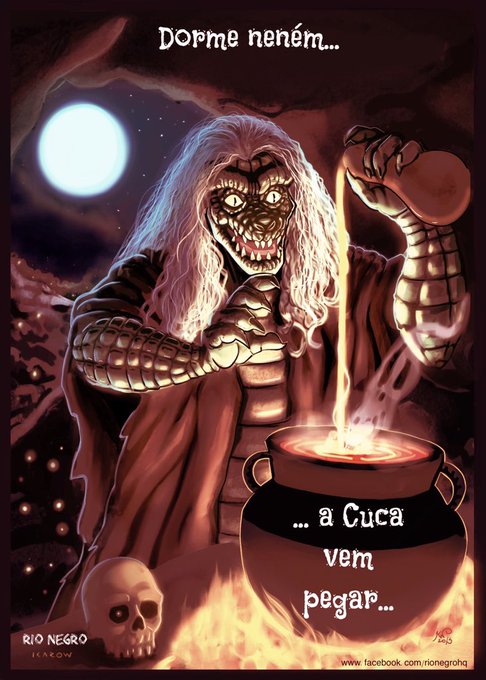


Conhecida como uma devoradora de crianças, Cuca, a bruxa jacaré das matas é a Rainha do folclore brasileiro e musa inspiradora de pesadelos
*
*#quadrinhos #Folklore #horror #quadrinhos #cuca #lovecraftian #FolkloreThursday #ArtistOnTwitter


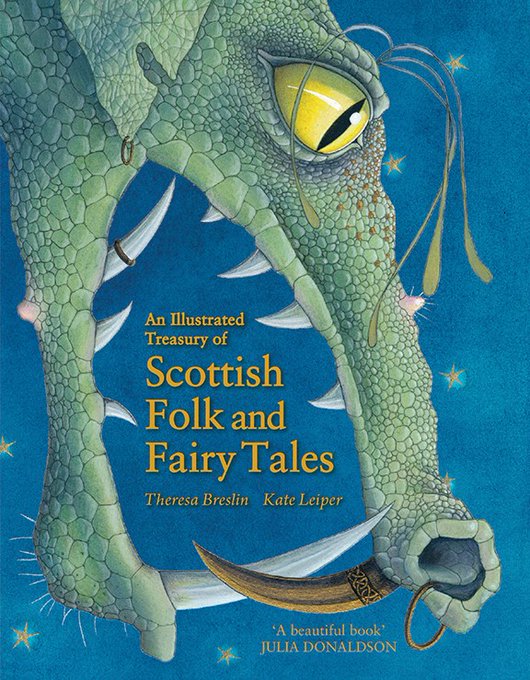

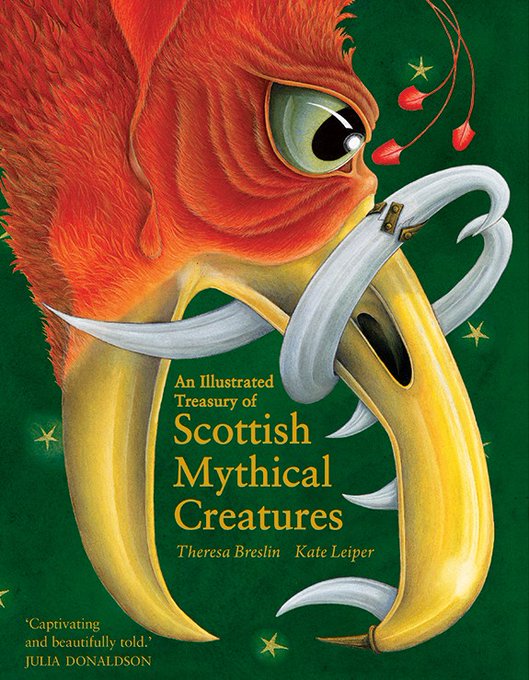
Here be Dragons! 🐲🐉🐲 Got out my Dragon Pen to send off some special orders signed by author and illustrator #IllustratedTreasuries #TraditionalTales #FairyTales #CastleLegends #MythicalCreatures #FolkloreThursday



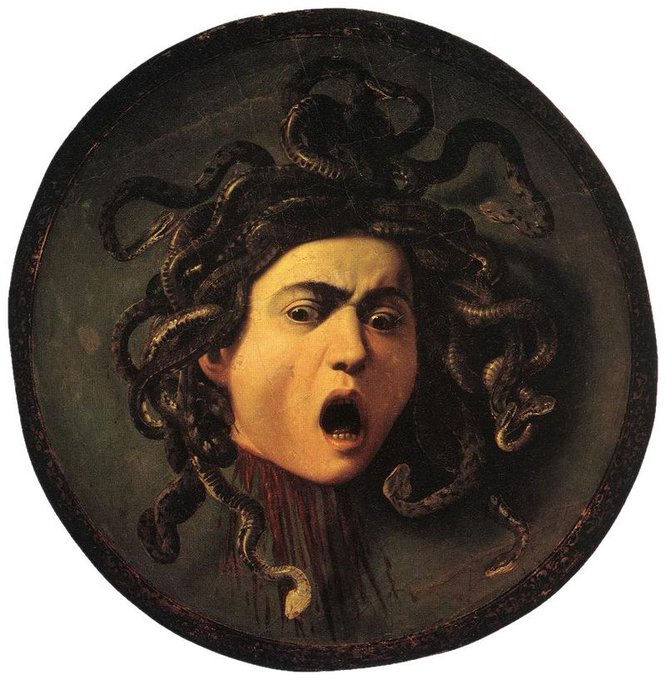

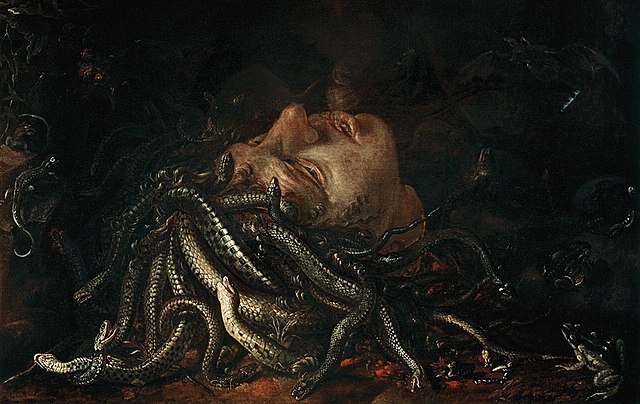
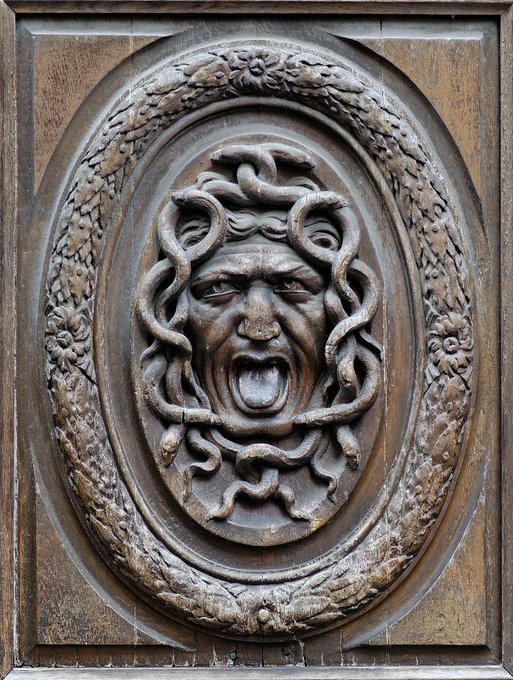
#FolkloreThursday Medusa was beheaded by Perseus, who thereafter used her head to turn onlookers to stone. Later on, he gave Medusa's head to the goddess Athena to place it on her shield. In classical antiquity, the image of the head of Medusa appeared in the Gorgoneion amulet.


The Orkney Finnmen #Legends: From Early Modern #Science to Modern #Myth - an interesting long-read for #FolkloreThursday from @PublicDomainRev
- #mermaids🧜♀️ & #brownies 'explained'?
https://t.co/XYH0vtE2ry
TY @FolkloreThurs


Can you spot what isn’t different?
Rossetti clearly loved this spiral hair ornament and gave it different models to wear. Apparently it was last seen when borrowed by blackmailer Charles Howell’s wife who never returned it….
(Thanks https://t.co/tejk8l5lLJ)
#FolkloreThursday


Good morning #FolkloreThursday friends thank you @DeeDeeChainey for a fascinating start this is @HerbalStorytell donning her faerie crown to guest host for the next hour of lore surrounding how we look, adornment and ornamentation...now...where's my wand gone?


"On Saturday night shall be my care
To powder my locks, and curl my hair.
On Sunday morning my love will come in,
When he will marry me, with a gold ring
~ Trad nursery rhyme
#FolkloreThursday
#illustration by Einar Nerman (1888-1983, Swedish)


Mad as a hatter may derive from sarcastic French simile
"Il raisonne comme une huitre" -he reasons like an oyster.
🎨John Tenniel
#FolkloreThursday @FolkloreThurs

In the Fens, frogs were called "Cambridgeshire nightingales" as before rainfall at night, the air was filled with their croaking!
🎨? #FolkloreThursday @FolkloreThurs #Frogs


Owarete mo, Isoganu furi no Chocho kana!
[Ah, the butterfly! Even when chased, it never has the air of being in a hurry.]
Art: Ohara Koson
Taken from Kwaidan by Lafcadio Hearn https://t.co/E9fdh0wAh1
#FolkloreThursday


Mawile is based on Futakuchi onna ("two-mouthed woman") in #JapaneseFolklore. The Futakuchi onna uses the mouth on the back of her head to eat. This yokai is used as a punishment upon a greedy man. #Pokemon #FolkloreThursday

#folklorethursday In Europe tomatoes were known as the “poison apple” because it was thought that aristocrats got sick and died after eating them, but the truth of the matter was that wealthy Europeans used pewter plates, which were high in lead content.