lorethursdayのTwitterイラスト検索結果。 70ページ目



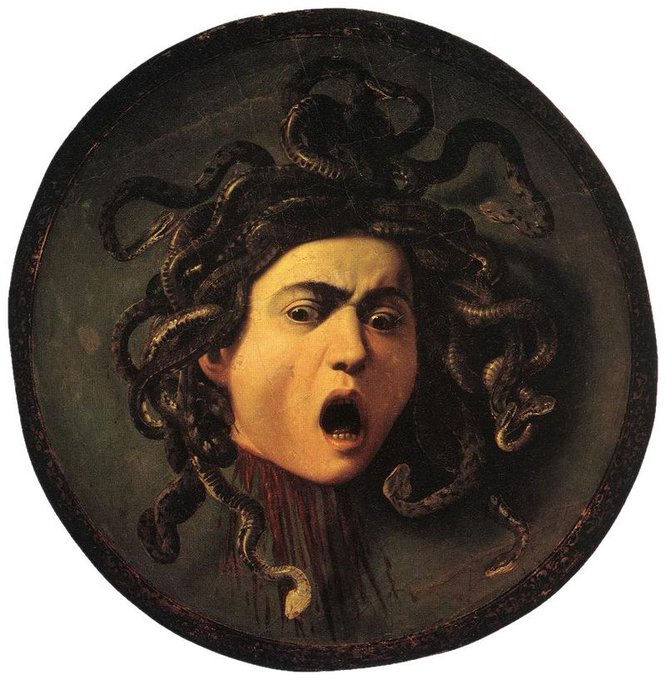

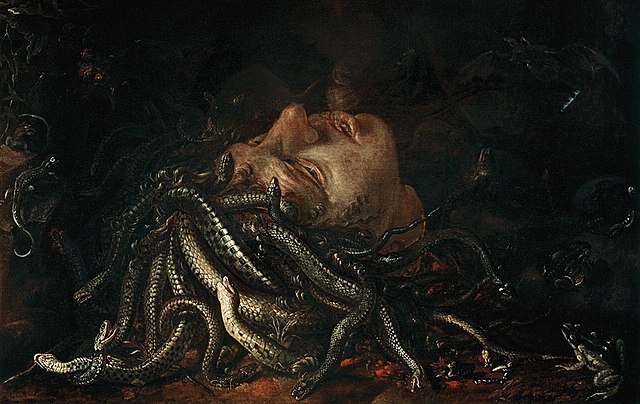
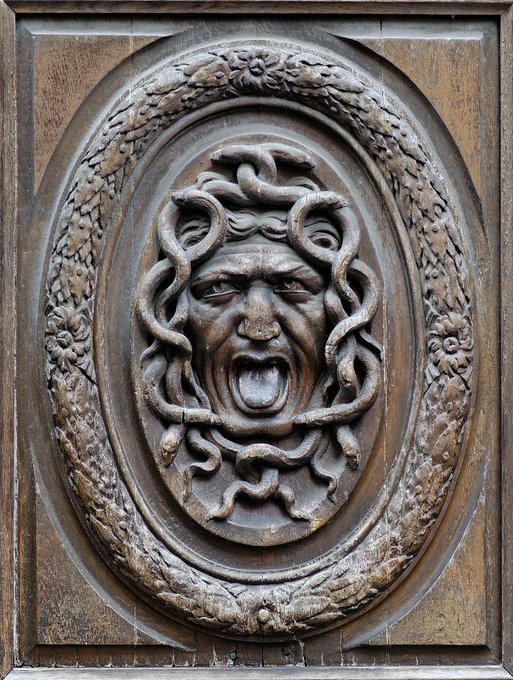
#FolkloreThursday Medusa was beheaded by Perseus, who thereafter used her head to turn onlookers to stone. Later on, he gave Medusa's head to the goddess Athena to place it on her shield. In classical antiquity, the image of the head of Medusa appeared in the Gorgoneion amulet.


The Orkney Finnmen #Legends: From Early Modern #Science to Modern #Myth - an interesting long-read for #FolkloreThursday from @PublicDomainRev
- #mermaids🧜♀️ & #brownies 'explained'?
https://t.co/XYH0vtE2ry
TY @FolkloreThurs


Can you spot what isn’t different?
Rossetti clearly loved this spiral hair ornament and gave it different models to wear. Apparently it was last seen when borrowed by blackmailer Charles Howell’s wife who never returned it….
(Thanks https://t.co/tejk8l5lLJ)
#FolkloreThursday


Good morning #FolkloreThursday friends thank you @DeeDeeChainey for a fascinating start this is @HerbalStorytell donning her faerie crown to guest host for the next hour of lore surrounding how we look, adornment and ornamentation...now...where's my wand gone?


"On Saturday night shall be my care
To powder my locks, and curl my hair.
On Sunday morning my love will come in,
When he will marry me, with a gold ring
~ Trad nursery rhyme
#FolkloreThursday
#illustration by Einar Nerman (1888-1983, Swedish)


Mad as a hatter may derive from sarcastic French simile
"Il raisonne comme une huitre" -he reasons like an oyster.
🎨John Tenniel
#FolkloreThursday @FolkloreThurs

In the Fens, frogs were called "Cambridgeshire nightingales" as before rainfall at night, the air was filled with their croaking!
🎨? #FolkloreThursday @FolkloreThurs #Frogs


Owarete mo, Isoganu furi no Chocho kana!
[Ah, the butterfly! Even when chased, it never has the air of being in a hurry.]
Art: Ohara Koson
Taken from Kwaidan by Lafcadio Hearn https://t.co/E9fdh0wAh1
#FolkloreThursday


Mawile is based on Futakuchi onna ("two-mouthed woman") in #JapaneseFolklore. The Futakuchi onna uses the mouth on the back of her head to eat. This yokai is used as a punishment upon a greedy man. #Pokemon #FolkloreThursday


#folklorethursday In Europe tomatoes were known as the “poison apple” because it was thought that aristocrats got sick and died after eating them, but the truth of the matter was that wealthy Europeans used pewter plates, which were high in lead content.

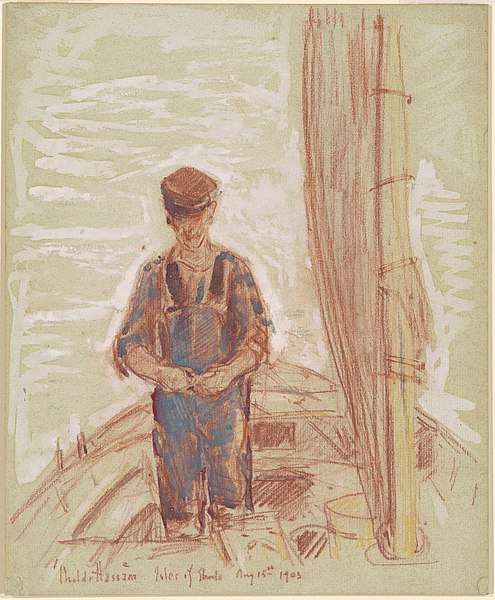
#FolkloreThursday - Orkney Folktales: A Close Tongue Keeps a Safe Head - https://t.co/zJHqfET8u3


Joan the Wad, Queen of the Piskies in Cornish folklore could either lead people astray on the moors or guide them home and keep them safe. She has been recorded as a piece of iconography on door knockers and charms to bring good luck. Usually depicted as naked. #FolkloreThursday

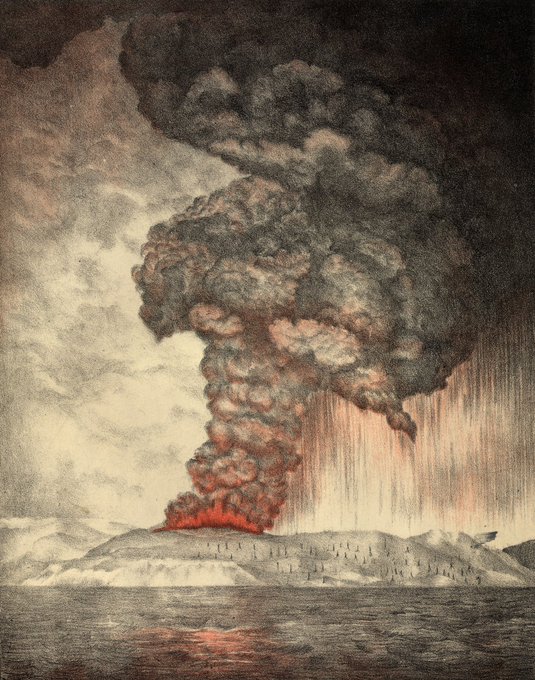
The Burning Ashes of Ketimbang was hot ash rain happened after 1883 Krakatoa eruption in Sunda Strait, killing thousands. Reports said skeletons floating across Indian Ocean on volcanic pumice rafts, washing up as far as east coast of Africa.
🎨 Hulton Archive #FolkloreThursday

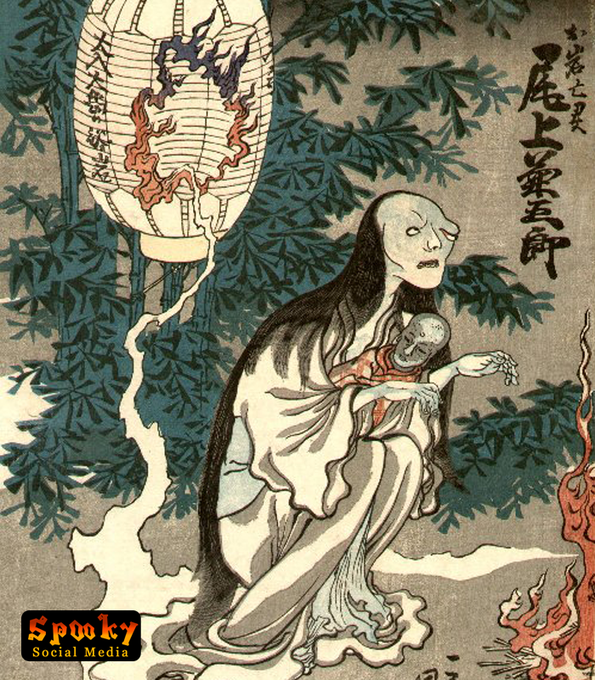
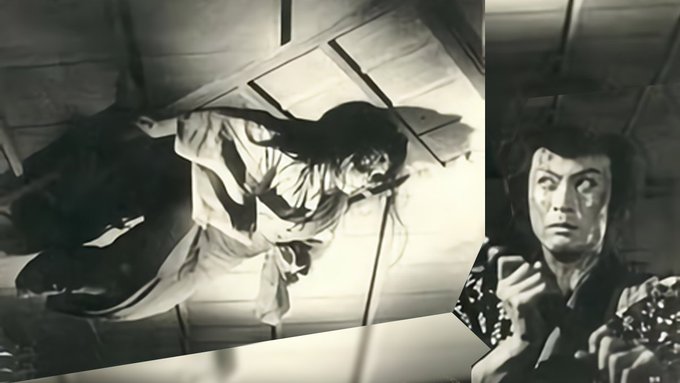

#GhostlyRevenge—Oiwa and her disfigured face haunts her traitorous husband in this iconic image of her angry spirit merged with a lantern, drawn by Hokusai. As Japan's most famous ghost story, #YotsuyaKaidan continues to influence Japanese #horror even today. #FolkloreThursday


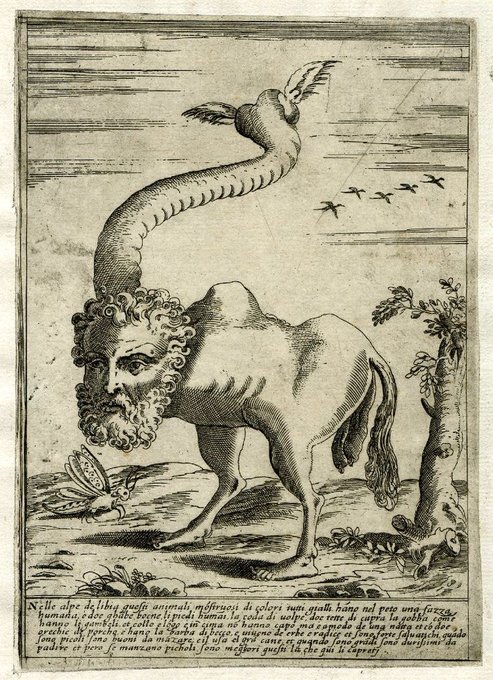
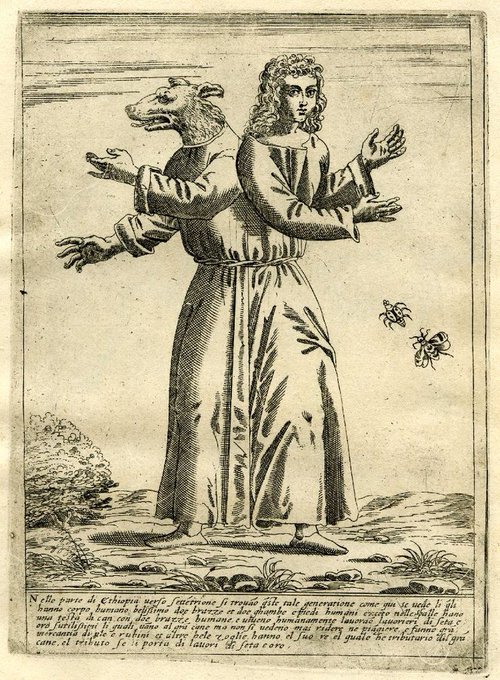

During his travels in Asia, Marco Polo saw these creatures and calmly reported it in his book "Il Libro delle Meraviglie". The first creature is using the giant foot as an umbrella. #FolkloreThursday


The Welsh Cyhyraeth is mythological Wraith (Similar to the Irish banshee and Scottish Cailleach) The Cyhyraeth's wail is a portent of death. The Cyhyraeth also sounds for the Welsh dying far from home and her weeping may fortell epidemics or disaster #FolkloreThursday


"I've taken you by the hand, for you must come to my dance": the #DanceOfDeath/#DanseMacabre is a powerful & #frightening image in European ideas, originating in the Middle Ages, developed in following centuries, & still potent now #FolkloreThursday #Halloween /cntd: pic.credits

#folklorethursday In Peru The Pishtaco is described as a pale skinned foreigner, with boots, leather coat, and felt hat. He sneaks into graveyards to grind human skeletons into a paralyzing powder he uses to incapacitate hapless travelers on nocturnal mountain roads and paths.
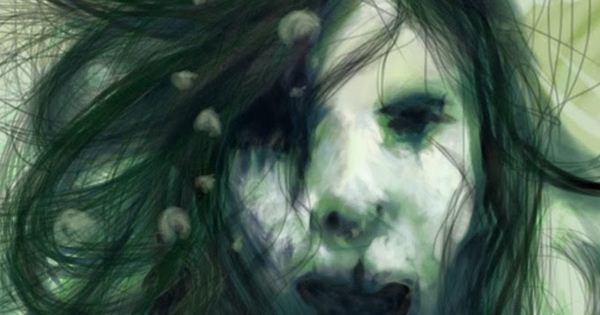
Hantu Banyu is a ghost believed to haunt Musi River in South Sumatra. It's shaped like a floating head with long hair. The ghost is believed to drag people with its hair and kill them by drowning or tearing through their backs and breaking their spines. #FolkloreThursday