folkloreThursdayのTwitterイラスト検索結果。 3,682 件中 83ページ目


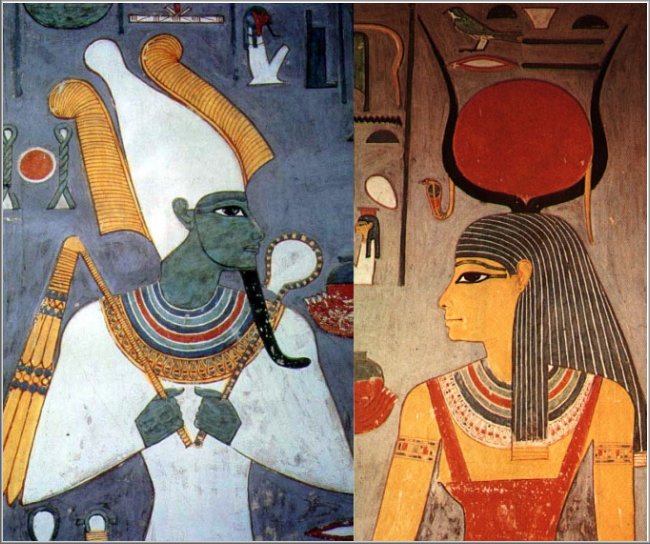
#FolkloreThursday Isis and Osiris were lovers. Their brother Seth killed Osiris and hid his body, so he could become a new king. Isis started a quest looking for Osiris body to give him a proper funeral. When she finally found it, Seth stole the body and cut it into 14 pieces 👇


#FolkloreThursday Māui wanted to know where fire came from, so one night he went among the villages of his people and put all the fires out. Māui's mother Taranga, who was their rangatira, said that someone would have to ask Mahuika, the goddess of fire, for more.


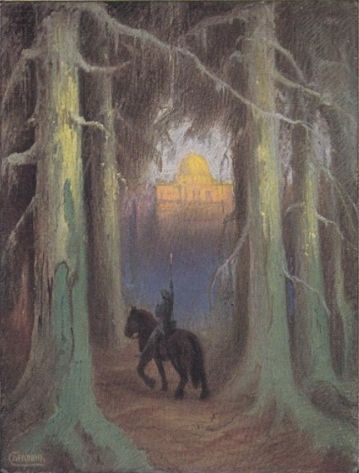
The Arthurian Quest for the Holy Grail is well known for its forest motif: the fork in the road, crossroads to choose. The quest is described in one tale as (that) "which quickens with life and greenness like the forest”.
#FolkloreThursday
Pinterest Images: Sir Galahad, Parsifal


Chrétien de Troyes' "Perceval, the Story of the Grail" was the earliest recorded account (late 12th century) of the Quest for the Holy Grail. However, in it, the grail is described as a golden serving dish, rather than the cup/vessel we tend to think of today. #FolkloreThursday


An old piece for this week's #FolkloreThursday theme: quests, missions & adventures!
The Lady of the Lake, watercolour, 2017.


My artwork needs a name - best title wins a free print details here https://t.co/AxBFBSLNbR would love to hear about any hill figure folklore #hillfigure #chalkfigure #folklore #folklorethursday


According to Egyptian mythology, the sun god Ra’s solar barge, Mesektet, takes 24 hours to complete a trip: 12 in the living land, during the day, and 12 during the night, taking an hour to pass through each of the underworld’s 12 gates. It is a perilous journey.#FolkloreThursday


Mixing #Animals, #Birds, Humans and Gods in #CelticMythology for #FolkloreThursday by @ztevetevans https://t.co/mLODxIHYhL


There's only 93 days until Halloween!!!!!!
Are you ready spooky friends?
🎃🦇🎃💀🎃🦇🎃💀🎃
#Halloween #FolkloreThursday


#FolkloreThursday The 7 Ravens is a folk tale about a young girl’s quest to find her long lost brothers who have been turned into birds by her father. Taking a ring belonging to her parents as a keepsake, some bread, water & a little chair she sets out to find & bring them home.


@FolkloreThurs @taylorswift13 @TwitterSupport As a long time follower of #FolkloreThursday and lover of #Folklore 👀I too hope this doesn’t become a permanent hashtag symbol for an album release. 🤷🏼♀️


Among many indigenous people and other comunities living in the northern region of Brazil, the pink river dolphin is said to have the hability to turn into a handsome and seductive man wearing white clothes and a hat, which hide its blowhole.
#FolkloreThursday @FolkloreThurs

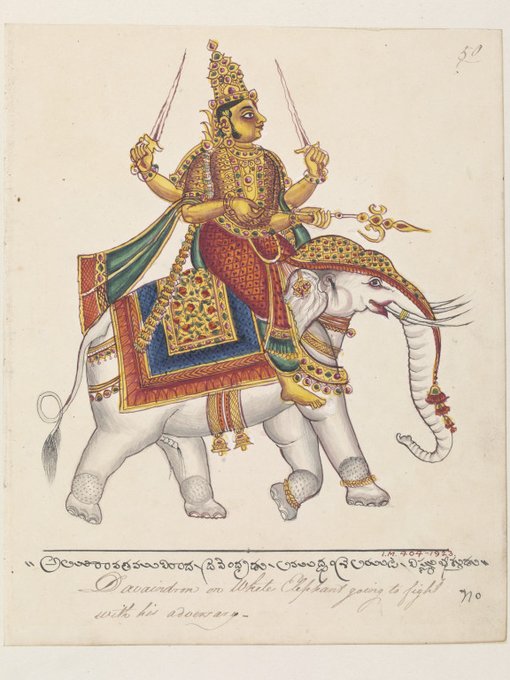
#FolkloreThursday It seems that reoccurring animal symbols found in mythologies across Eurasia and North Africa are based on animal agricultural year calendar markers developed from the significant lifecycle events of the animals in question. Examples: https://t.co/pZF1A0e6Ft


My work corresponds with Sumerian figurines of the Goat Bearers. Worshipers would bring tribute to a god either by the live goat or as animal statues. The goat represents the god visually or by association and acts as a substitute for him. @FolkloreThurs #FolkloreThursday


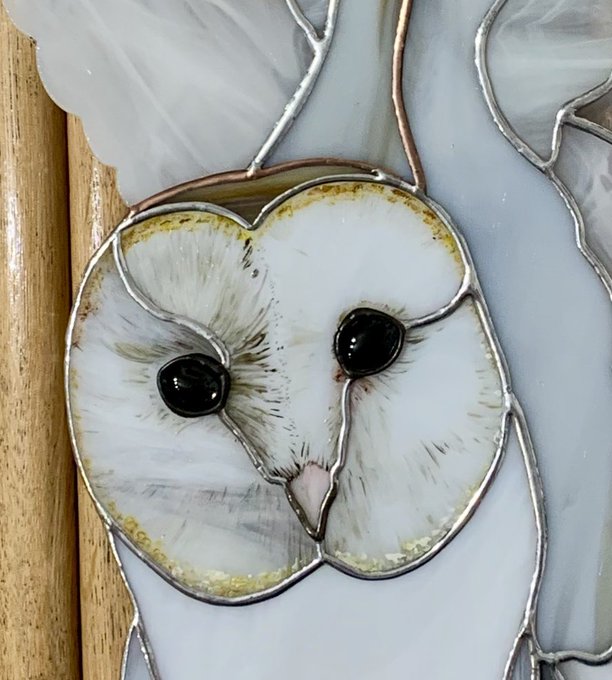
On #FolkloreThursday here’s ‘Gwenhwyfar’ one of my two #barnowl pieces. She’s close to the underworld, bird of death but also rebirth; as Blodauwedd the ‘flower-faced’ bride created for Mathonwy she was cursed to hide her face in daylight. Speak of her quietly and with respect!


In Greco-Roman mythology the peacock tail has the “eyes” of the stars & represents renewal, vision & immortality. Many believed that the peacock had flesh that did not decay after death. In Ancient Rome the bird represented funerals, death, & resurrection. #FolkloreThursday


In Scottish folklore, three swans seen flying together was a sign of an impending national disaster...
🖼Jan Van Essen
@FolkloreThurs #FolkloreThursday #birds #Scotland


There is a #Kitsune #goddess in #JapaneseMythology. Her name was #Inari and she was also the goddess of #food and #rice.
#FolkloreThursday 3/3

‘Mad as a Hatter’ comes from the 18th & 19th century when hatters used mercury nitrate as part of the process of turning animal fur into felt. The substance caused hallucinations, emotional instability and the desire to have tea with wild animals. @FolkloreThurs #FolkloreThursday


Fairy cattle were cows said to have been found on the shores of Luskentyre in Harris, Scorrybreac in Skye, & on the island of Bernera. They were believed to be of no mortal breed, & live under the sea on seaweed. 1/4
#FolkloreThursday #Scotland
📸: https://t.co/rZpOMdT7wj