extinctionのTwitterイラスト検索結果。 86ページ目


Extinction of Late Pleistocene vultures was skewed towards large species and attributed to a decline in the diversity of large terrestrial mammals. No wonder Old World vultures are struggling today with food shortages being just one of many threats (Galetti et al., 2017)


"New Sheriffs in Town." ⭐
#NeebsGaming #ARKSurvivalEvolved #ArkExtinction #FanArt #VideoGames #Chibi #Comic @NeebsOfficial @Thick44Official @AnthonyCSN @AdahopAlex


Human Extinction Attack 👨🏻💀 #dbz #dragonballz #Wizyakuza

"The Best/Worst Day Ever!"
#NeebsGaming #ArkSurvivalEvolved #ArkExtinction #VideoGames #FanArt #Chibi #Comic @NeebsOfficial @Thick44Official @SimonSandwiches @JonnyEthco @AnthonyCSN @AdahopAlex


Tiger skull. Someday they might all be gone. #tiger #skull #illustration #procreate #skullart #surealism #extinction #bigcats https://t.co/nwhSAOgjIt


#edgeofextinction issue 3 Coming 2019
cover art by @thedarkinker , #spreadtheinfection #undead #horror #WalkingDead #areyouinfected?
written by @MelMellonie art by @PaulPeartSmith
R/T please

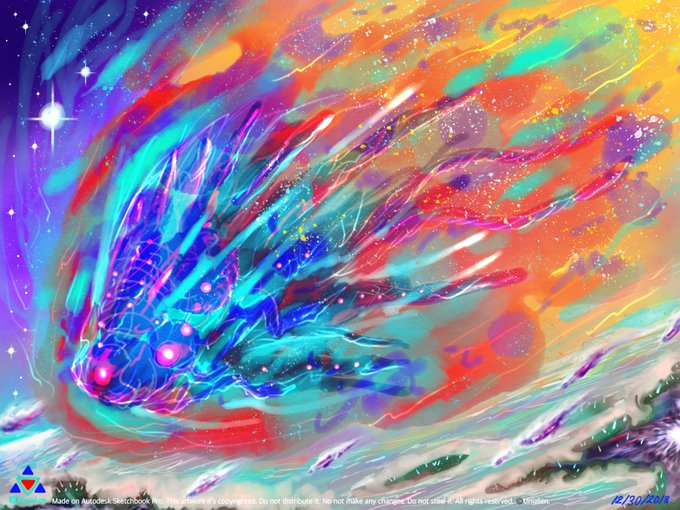
Neon Extinction 🔵🔴☄️🌏 https://t.co/bcbtXnDEnN
“Organic lifeform purpose to target and destroy all life any planet to bring darkness and spread the entire system...” Halyx
Art made by @Unialien All rights reserved.
#digitalpainting #scifi #fantasyart #digitalart #projectuat

Appsro: "I'm doing something new, but I need to experiment so...I apologize..."
#NeebsGaming #ARK #Arkextinction #FanArt #Comic #Chibi #VideoGames @NeebsOfficial @JonnyEthco @SimonSandwiches @AdahopAlex @AnthonyCSN


Bouncing back from the brink of extinction, the Eurasian #Otter is a freshwater dweller that can give us an indicator of pollution levels
#25Genomes #AdventCalendar
https://t.co/BdhkAgVZYp
Partners: @Otter_Project @cardiffuni @smithsonian
Image: @ATJCagan


"Humans are weak. Their extinction is inevitable."
DREW RYOOOO
#DEVILMANcrybaby #devilman #fanart #artistsontwitter #ArtistOnTwitter #FanArtFriday


HAving some ARk fun! 👇
Bee The Builder ⛏️ https://t.co/LX13xJioC7
Building on Extinction! Stop by and say hello! 🐝
#TwitchS4S #SSSTV #SupportSmallStreams #ArkSurvivalEvolved


Only three groups of Synapsids/therapsids survived the end-Permian mass extinction event into the Early Triassic: dicynodonts (top), therocephalians (center), and cynodonts (bottom). Only the latter (our relatives) survived into the Jurassic. #paleoart #sciart #therapsids
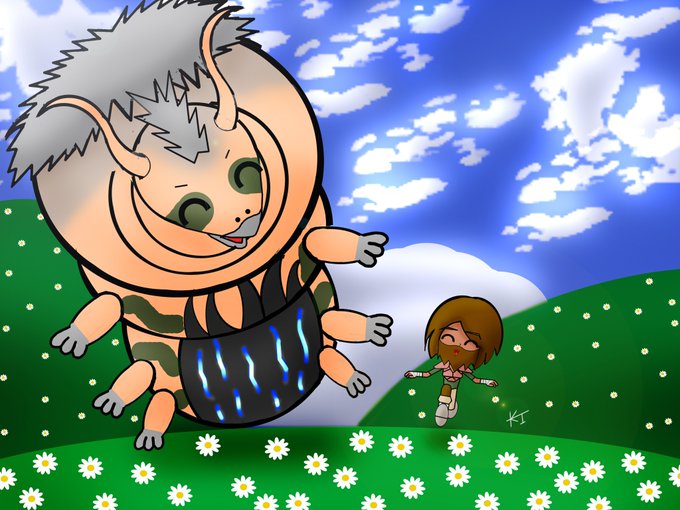
🎵"Me and you and you and me.
No matter how they toss the dice, it had to be.
The only one for me is you, and you for me.
So happy together~!"🎵 ❤️❤️
#NeebsGaming #FanArt #ArkExtinction #Comic #Chibi #VideoGames @NeebsOfficial @Doraleous5000 @AnthonyCSN @AdahopAlex

Building and growing on Extinction 🌱
Home Sweet Home? 🏡 https://t.co/LX13xJioC7
Figuring out a game plan come help me! ☝️
#TwitchS4S #SSSTV #SupportSmallStreams #ArkExtinction


"Don't ask why; just enjoy yourself." 😋
ARK: Extinction @survivetheark
#NeebsGaming #VideoGames #Chibi #Comic #FanArt @JonnyEthco @SimonSandwiches @NeebsOfficial @AdahopAlex @AnthonyCSN


@AnimalPlanet Sumatran Tigers! Only 500 left in the World.
You can help save them by bidding thist at https://t.co/VC2EswEyQA
But there are 100s more artists to choose from
at #sketchforsurvival #explorersagainstextinction @RealAfrica
@Greenpeace @CarolineLucas @SidUnite
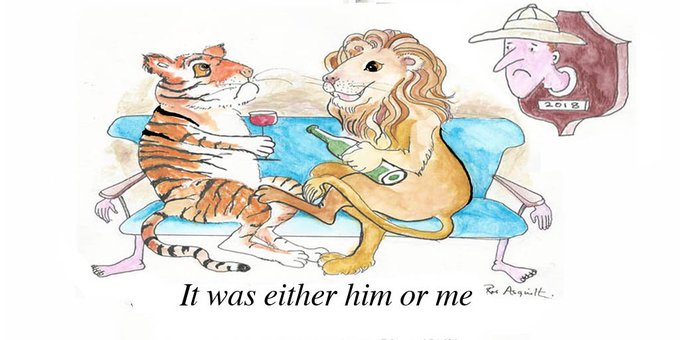
@Greenpeace Instead, save threatened species by bidding for thist at https://t.co/VC2EswEyQA
But there are 100s more artists to choose from
at #sketchforsurvival #explorersagainstextinction @RealAfrica
@Greenpeace @CarolineLucas @SidUnite
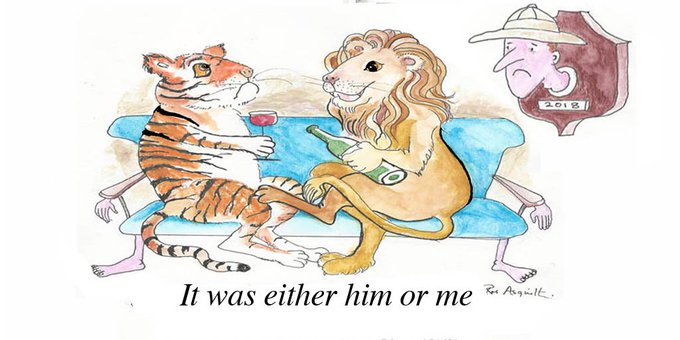
There are fewer than 500 Sumatran Tigers left in the World.
You can help save them by bidding for My art at https://t.co/VC2EswEyQA
But there are 100s more artists to choose from
at #sketchforsurvival #explorersagainstextinction @RealAfrica
@Greenpeace @CarolineLucas @SidUnite


The extinction alphabet: Y is for #YukonGiantCamel in this weeks #AnimalAlphabets @AnimalAlphabets #extinct #paleoart #paleo #Yukon #giant #camel #art #painting