folkloreThursdayのTwitterイラスト検索結果。 3,684 件中 104ページ目


Amigos, perfectly for #FolkloreThursday, this week's #cryptid #cryptozoology art from me is of... #Mothman!! You can get the full resolution version from my #Patreon and/or my #Kofi, totally for free! Enjoy & have a great #Thursday!


In a bizarre dark parallel with the Christian tradition of Easter, the annual festival of Xipe Totec was also celebrated on the spring equinox. It was known as Tlacaxipehualiztli or: "flaying of men. #FolkloreThursday
(thread)

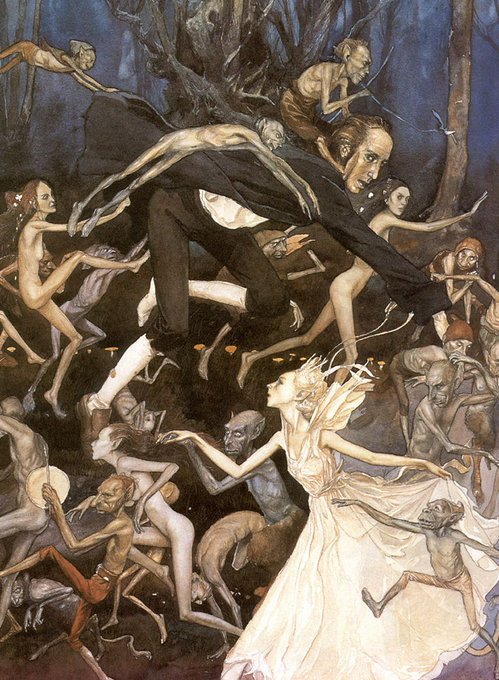
"It was formerly believed that the Fairies, for a little fun, carried men in mid air from place to place, and, having conveyed them to a strange neighbourhood, left them to return to their homes as best they could."
Welsh Folklore, 1887
Art: Alan Lee
#FolkloreThursday #Wales

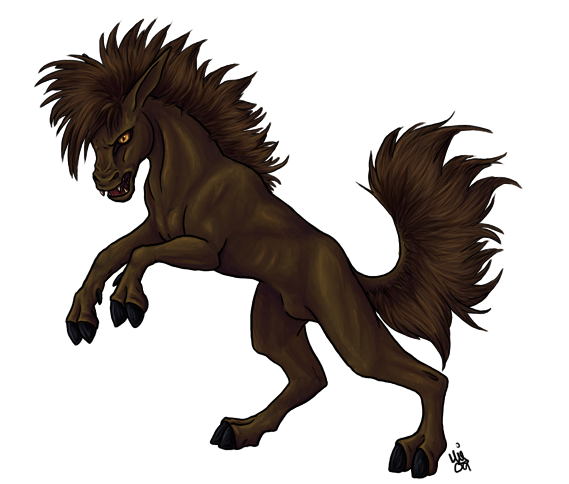
#FolkloreThursday The púca is primarily a creature of Celtic folklore.The creatures were said to be shape-changers, which could take the appearance of horses, cats, dogs, and hares. They may also take a human form, which includes various animal features, such as ears or a tail.

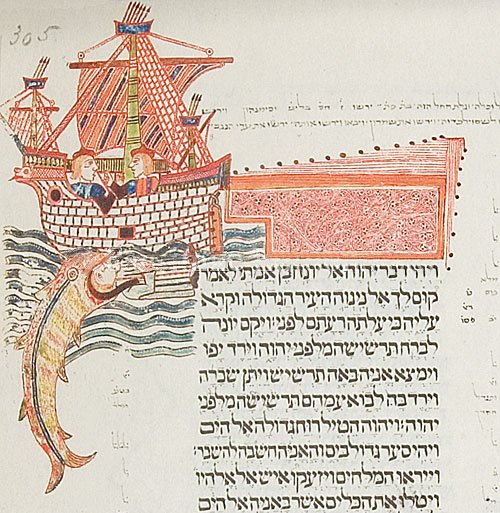

#FolkloreThursday Jonah in the New Testament a prophet sent by God on a journey to Nineveh to warn the residents of impending divine wrath. Instead Jonah boards a ship to Tarshish where he would be caught in a storm, swallowed by a whale for 3 days and regurgitated near Nineveh.


A beautiful illustration of the castaway Robinson Crusoe, from the 1920 edition illustrated by N. C. Wyeth.
During a treacherous sea voyage, Crusoe's vessel gets attacked by pirates, leaving him shipwrecked on a deserted Caribbean island #FolkloreThursday https://t.co/3h6aLIX1NR


In Finnish folklore, a hiisi is a forest spirit who is a danger to travellers.
He is said to own a hundred-horned elk.
Hiisi are so well known, they are used instead of goblins in the Finnish translations of Tolkien’s stories!
#FolkloreThursday
(Art by Jenni Saarenkyla)


Sinbad the Sailor is a fictional character, hero of The tales of Sinbad, which are part of the One Thousand and One Nights collection of stories, around the 14th century.
The stories of Sinbad seem heavily influenced by the epics written by Greek author Homer.
#FolkloreThursday


Recalling Celia Fiennes, pioneering English #traveller & diarist. From 1684-1703 she rode through most of England on horseback with only 2 servants. Single & independent, her interests are innovations, new spas at Bath & Harrogate & visiting new ‘stately homes’ #FolkloreThursday


For #FolkloreThursday , some works by Elizabeth Siddal.
She responded to uncanny themes, often from the Border Ballads in her pictures of ‘Clerk Saunders’ & ‘The Rowing Boat’
Here’s a fragment of her own ballad:
‘Many a mile over land and sea
Unsummoned my love returned to me’


Traveller, traveller, tramping home
From foreign places beyond the foam...
#TravellersJoyFairy #FlowerFairies #CicelyMaryBarker #FolkloreThursday


When building a new ship, shipwrights would tie a lucky red ribbon around the first nail they used, to prevent accidents befalling the craft
#FolkloreThursday @FolkloreThurs
Boat-Building near Flatford Mill - John Constable


#FolkloreThursday Many people have been pixy-led as they travel across the remote hills and moors of Devon and Cornwall, or even at night on familiar roads. To avoid getting lost in this way, turn your coat inside-out, or carry some bread in your pocket.
Illustration- Brian Froud


#FolkloreThursday Hermes was the Greek God of Transitions, Travel, Trade & Boundaries. Able to move freely between the worlds of the mortal & the divine, & playing the role of the psychopomp or "soul guide,” he is the god for travellers of all realms.
Art: Federica Constantini


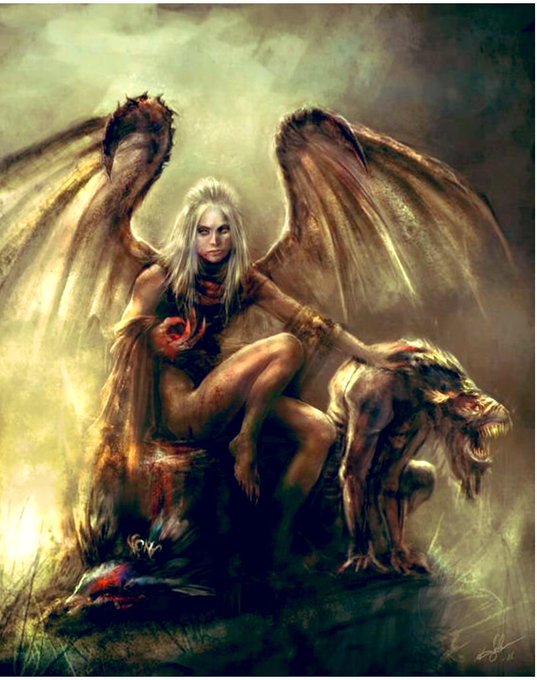
In ancient Hebrew mythology Lilith, the so believed first wife of Adam, was considered a demon. Subsisting on the blood that where babies and men. #FolkloreThursday @AdamsQuaid


Turquoise waves rise up over Odysseus' raft as Poseidon, trident in hand, stirs a churning sea and conjures up black clouds. #FolkloreThursday
"The Raft of Odysseus" (1929) by N C Wyeth (1882-1945). Oil on canvas; 48 x 38 in. (121.9 x 96.5 cm.).


The Classic poets sometimes referred to dawn as 'crocea'; a reference to the pale purple hue of early morning. [George Clausen via @WikiCommons / Edwards's botanical register via @BioDivLibrary @mobotgarden] #FolkloreThursday #BHLib


Green was believed to be unlucky because it was associated with fairy folk. Fairies were thought to dance in green rings and wear green clothes. #FolkloreThursday #colours #fairies