appendのTwitterイラスト検索結果。 106ページ目


Revisiting a scene that happend some where in A Crack In the Ice. Ependa interrogates her captive. Toska is less than thrilled at her situation


@dolevfabrikant Predation on Anomalocarids is hardly speculative. We have one fossil which either shows part of the (very) dangerous appendage of Omnidens, or, a chunk of Anomalocarid in the mouth of Omnidens. Either way, it must have eaten Anomalocarids.
(Its in the bottom illustration)


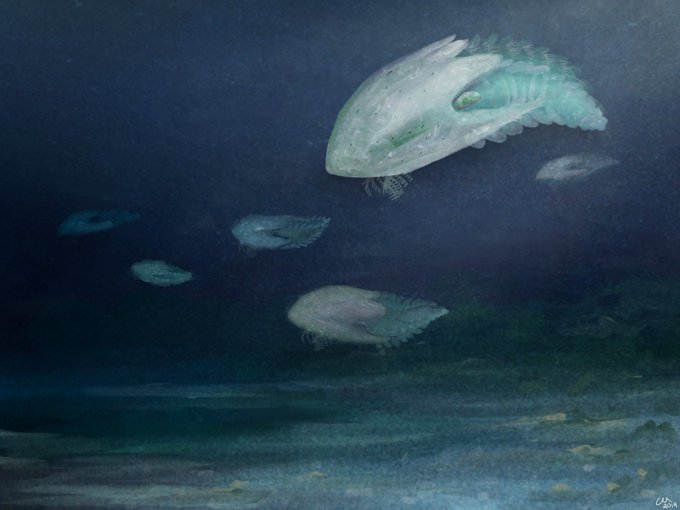


The Burgess was home to several genera of Hurdiid anomalocarids, which survived by filtering food out of the fine silt, brine seeps, and water column, using comb-like frontal appendages. These include Peytoia, Stanleycaris, two species of Hurdia, and Cambroraster elsewhere.


Something happend to chuck he seems enjoying it really good, and nice, im not sure how it happend but oh well!!~
Amazing art and Fault by @Uniparasite who makes a lot of super amazing Draws.

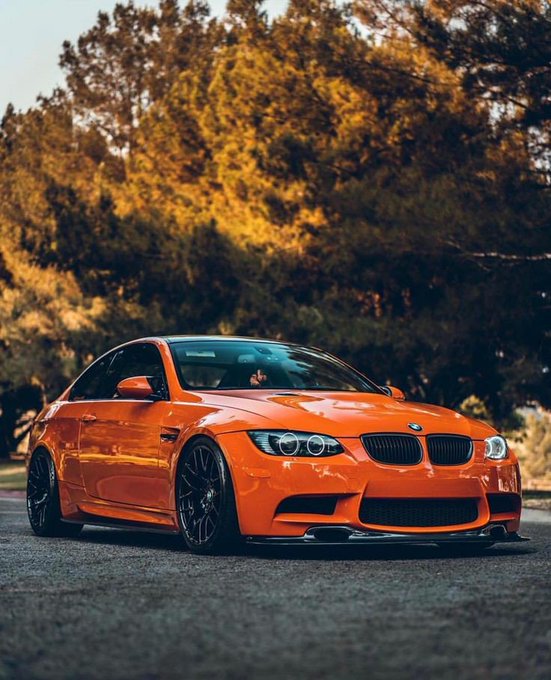



I will leave this here and I will make you all guess what wpuld happend next...

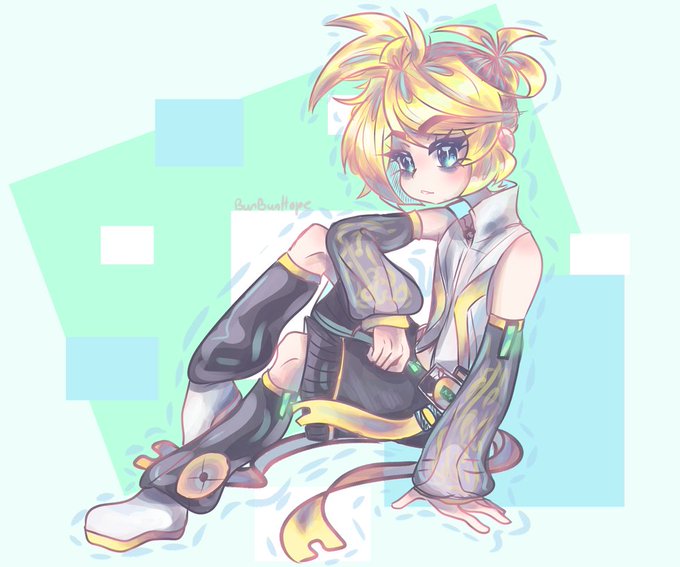

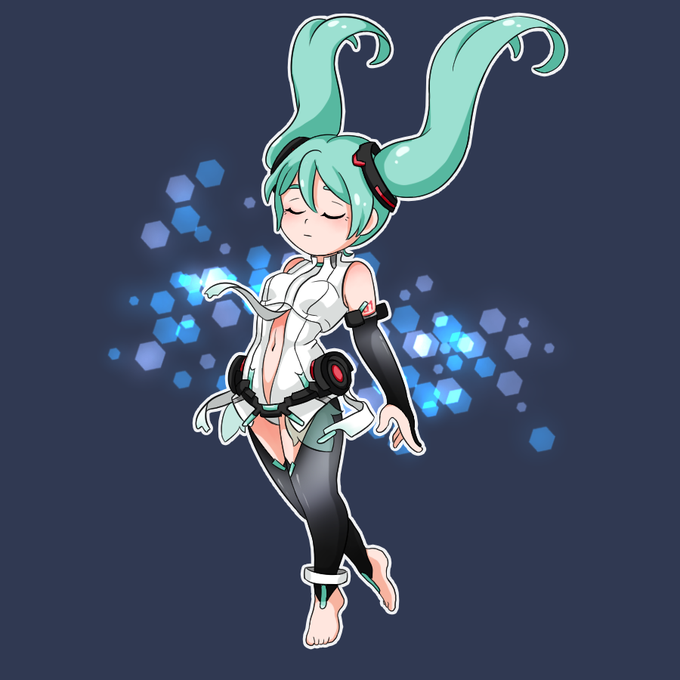
#countdownmiku 7 days left!! I always really liked Miku's append design, it looks so futuristic but also soft and elegant. And with V2 Dark append being my favorite Miku voicebank I just had to draw this design 💙


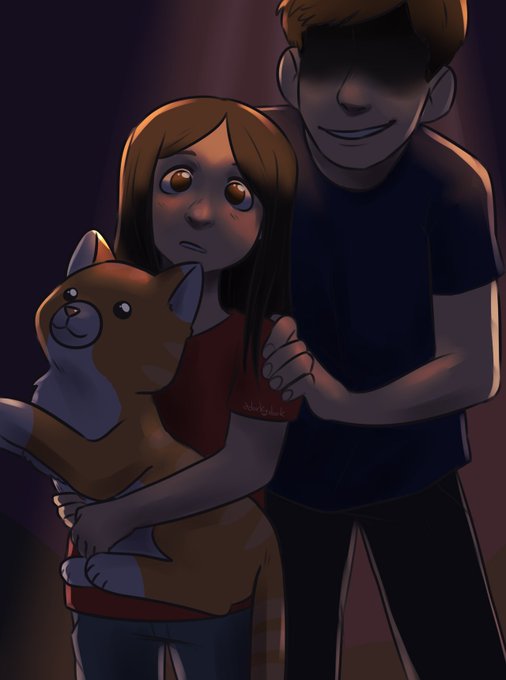
remember when you bought that stuffed cat with your own money? you was so happy, you loved red cats ❤️
#illustration
(don't worry nothing bad happend uwu)





◆Re;quartzAppendサイキルート◆制作中のお知らせ
主人公・ナオに寄り添う男は、
彼を監禁し、死に至らしめる張本人。
夜明けにもう一度伸ばされた男の手を、
少年は拒めるのだろうか。
・夏コミ新フライヤーにスチル一部掲載
・配信日程は目処つき次第お知らせします…!
https://t.co/CSjDTrpjU8

@DarkGen95
Finally I finish this one out, it would be a part N2, but for know try to guess what would happend in the next scene


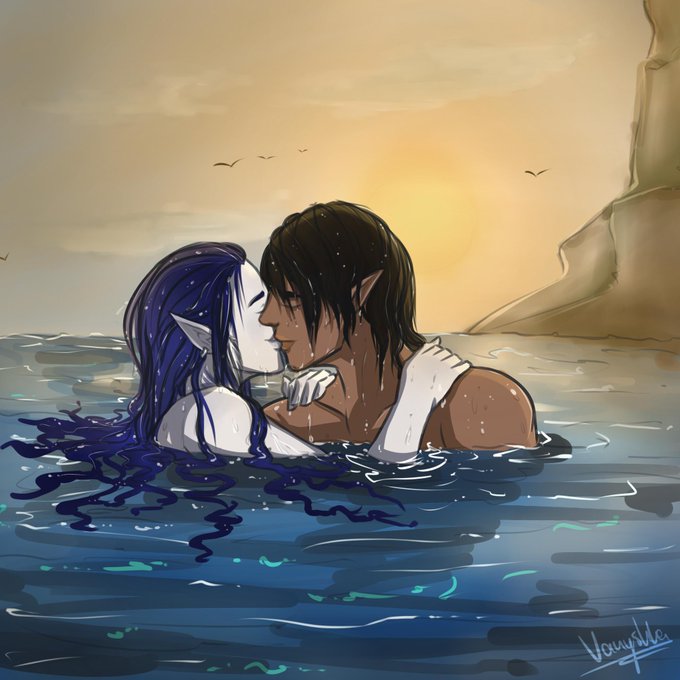
I haven't posted anything in forever, so take this thing I did last night. This happend at the end of a 16 hour long ttrpg session with @LeilanArt. It was my third time dm'ing and I absolutely love it!
Used photo for pose-reference bc it fitted just perfectly


【お知らせ】C96にてMSOT.Extend!!をお買い上げ下さった皆様にご連絡です。モバイル端末にてダウンロードして頂いた皆様には、DL・プレイリスト組込手順の煩雑さからご不便をお掛けして申し訳ありません。諸々勘案した結果、Append.02を同梱したフォルダを製作、アップする事に致しました(続く)


