THCのTwitterイラスト検索結果。 12ページ目




🥦THCOプレゼントキャンペーン🥦
GREEN JAM OPEN記念🔥
THC-O 88% 0.5㍉ リキッドを
5名様に1本ずつプレゼントします。
【応募資格】
このアカウントをフォロー&RTで、5名様に1本ずつプレゼント致します。
当選発表はDMにて4月20日に発表します。 クーポンコード⇒kf6fj
https://t.co/aWqPzVe5St


🌸It's been a long time since the last gift😅
Today I'd like to thank the two cool artists @DanceTako and @shibatales who helped out at the beginning of the Nft journey and supported our first THC collection💜
And finally, the work on these artworks has come to an end🙌
(1/4)



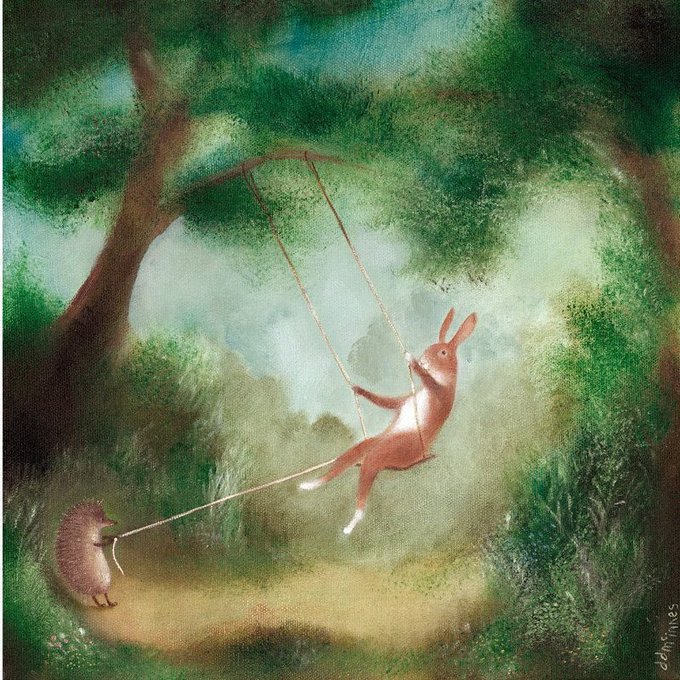

There’s nothing like an artist with a sense of humour & a sense of the past. Here we see two versions of “The Swing:” the first by McInnes full of hedgehog whimsy, & the original by Lancret full of 18thc, French, Rococo flirting (1735) ☺️🌳


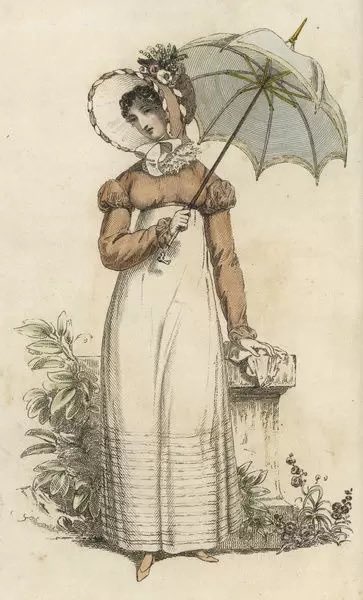
The word parasol comes from the Latin “para,” which means to shield or protect, & “sol” which means sun. Loved for millennia in Persia, Egypt, & China, it arrived in Europe late: the 17thc. Here are some fun prints from the Regency era. By then it was a key accessory 🌸


'The Print Maker.' (c1860) Honoré Daumier's career was one of the most unusual in the history of 19thC art. Famous in his time as France's best-known caricaturist and one of the period's most profoundly original realists, he remained unrecognised in his importance.


📢HAVE you HEARD about OUR NEW SERIES of online #discoveringwomensculptors TALKS! DISCOVER extraordinarily talented and often overlooked Women Sculptors from 16thC to 20thC 👀💪FIND out HERE https://t.co/FxAu6RiRvi


Tulips, Mary Moser (1744-1819), English painter-one of the most celebrated women artists of 18thc Britain #WomensArt #April


13thc Scottish legend: a man who stole a taste of broth made from a magical white snake became a great healer & gained the ability to foretell events, read minds, understand the speech of animals. He became known as Michael Scott the Wizard #FaustianFriday
🎨Jeff Pfeil (b.1981)

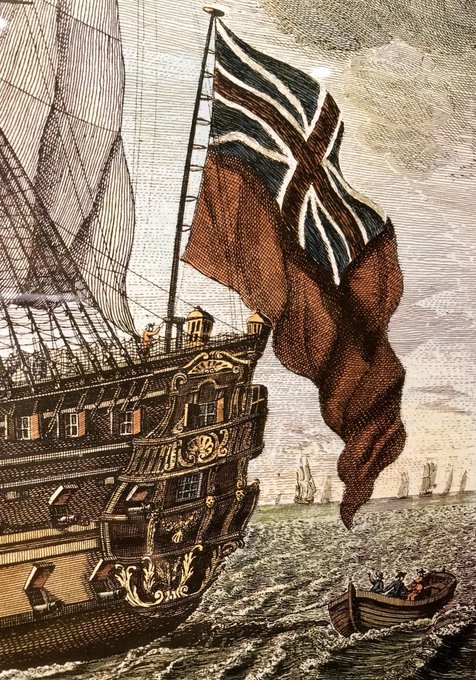


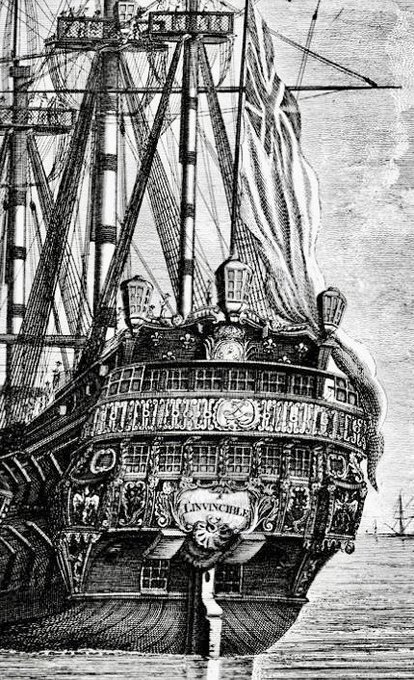
It’s fair to say the adornment & embellishment of ornamental carvings on English warships had peaked in the mid/late 17th century, being reduced significantly by Nelson’s era
The French, however, continued flourishing their ships well into the mid-18thC. L’Invincible from 1744


Here’s to spring with these lovely Kate Greenaway prints. As a Victorian, Greenaway loved to mine 18thc, Georgian sensibilities for her art. The 1700s were delightfully pre-industrial to her 🌷🌼


Resurrecting this beauty for #BrainAwarenessWeek! Illustrations by 19thc surgeon, anatomist, neurologist & artist Charles Bell, from Anatomy of the Brain, dated 1802. Bell is best known for describing the effects of paralysis on the 7th cranial nerve 'Bell's Palsy'

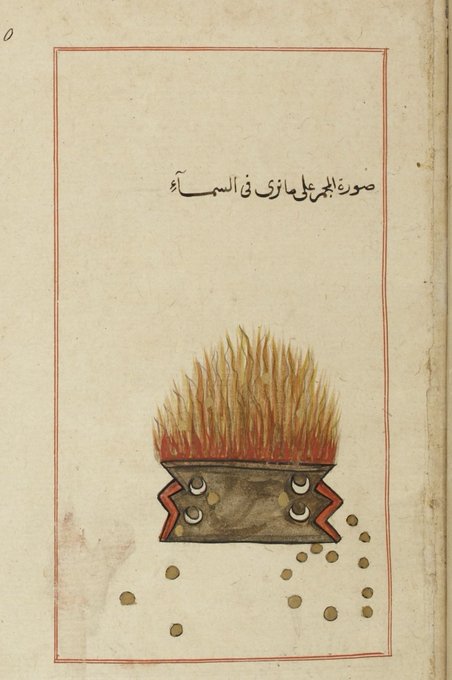

Southern constellation of Ara (the altar) in an 18thC copy (from either Egypt or Turkey) of al-Ṣūfī's Catalog of the Fixed Stars @GallicaBnF https://t.co/IXsx7LfydA



'Three Tomatoes.' Since her death in 1965, Anne Redpath has become one of the most popular 20thC Scottish painters, known for her rich colours and an expressive, gutsy, style.


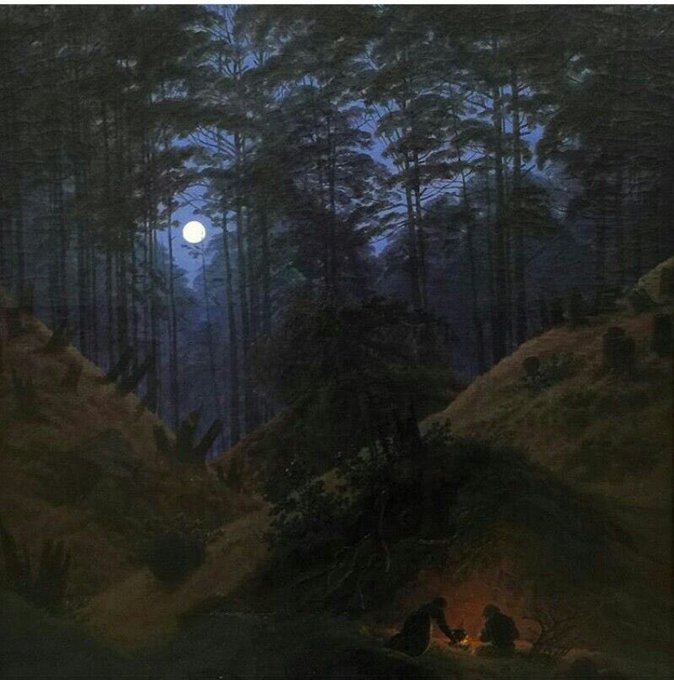
By the 19thc, Europe’s forests had been the site of richly dark tales & art. But they had also seen the real horrors of war. Following Romanticism, artists could, at last, be honest about it all & foreground the darkness itself. The thing with history is that it repeats…




Call me old fashioned, but an animal hero I often turn to is Aesop’s quiet Tortoise, who shakes off the Hare’s cocky bravado. Some of Aesop’s life may be apocryphal, but as a 7thc bce former Greek slave, he knew pain & struggle —often his underdogs won the day 🐢 #WyrdWednesday