lorethursdayのTwitterイラスト検索結果。 113ページ目


Leshy is a male woodland spirit in Slavic mythology. Leshies are terribly mischievous beings: they have horrible cries, and can imitate voices of people familiar to wanderers and lure them back to their caves, where the leshies will tickle them to death. #FolkloreThursday

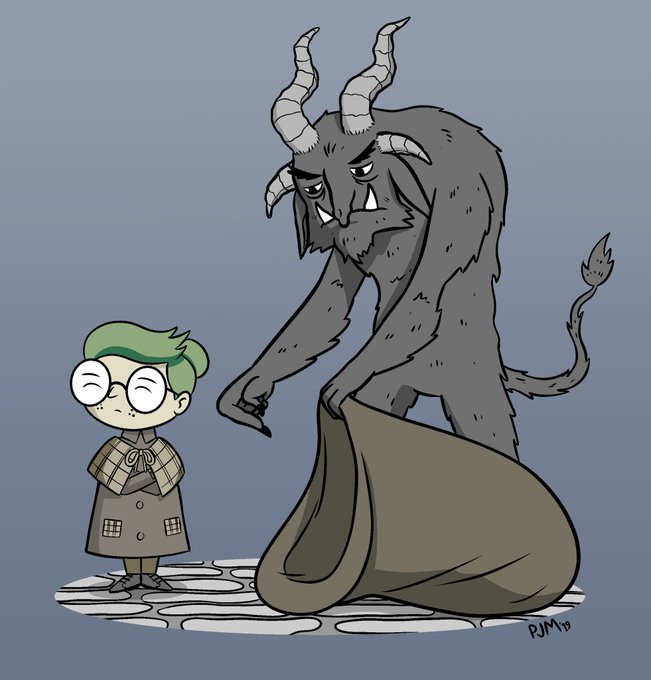
Krampus is a companion of jolly old St. Nick.
He punishes children that misbehave, by throwing them in his sack or basket.
He is often seen with a birch branch that he uses to hit naughty children.
@FolkloreThurs #FolkloreThursday #CryptidsfortheCurious #Krampusnacht #Krampus


In Estonian mythology, the Külmking is the evil protector of the forest, eating children alive when they bother forest spirits. One legend says that if the Külmking goes through the body of someone, this person also becomes evil. (Image: Unknown) #FolkloreThursday


Folklore abounds with fairies tricking children into danger. Stories about them provided warnings against careless behavior. Like Peg Powler or Jenny Greenteeth, water hags who would snatch children away into the deeps if they got too close to the river's edge. #FolkloreThursday


Krampus postcards used to be very popular, particularly in the 1920s for some reason. #FolkloreThursday @FolkloreThurs


Unfairly called villain, the banshee? She’s a harbinger of death but reminiscent of old Irish funerary processions which included paid mourners to wail/shriek, doesn’t she also mourn death? Why is she always depicted so frightful? #FolkloreThursday @FolkloreThurs
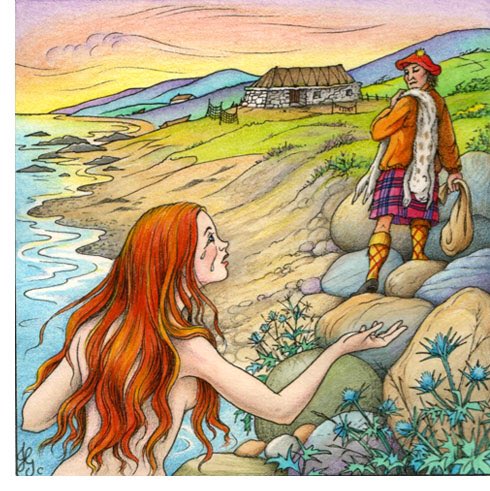


villain in #folklore? Y/n? The men who stole & hid away the sealskin of Selkie maidens so they cannot go home. This binds them to the land, forcing them into marriage but always she stares at the sea...longing to return. If she finds her skin she surely will. #FolkloreThursday


In Central Europe, Krampus is the counterpart of Santa Claus, punishing the bad children, rather than rewarding the good ones.Two illustrations from Austria, early 20th century #FolkloreThursday #krampusnacht


Capricious French and Swiss Elves The Lutins think of endless #tricks to tease and torment; whether in the guise of horses throwing their riders into a ditch, making seashells temporarily become gold or even appearing as giant spiders #FolkloreThursday @FolkloreThurs
🎨by Godo


Cailleach – the dark mother is a #Celtic goddess of winter, appearing as an old one-eyed hag with a magical hammer. She creates mountains, brings storms, and protects wild animals such as deer and wolves.
#FolkloreThursday

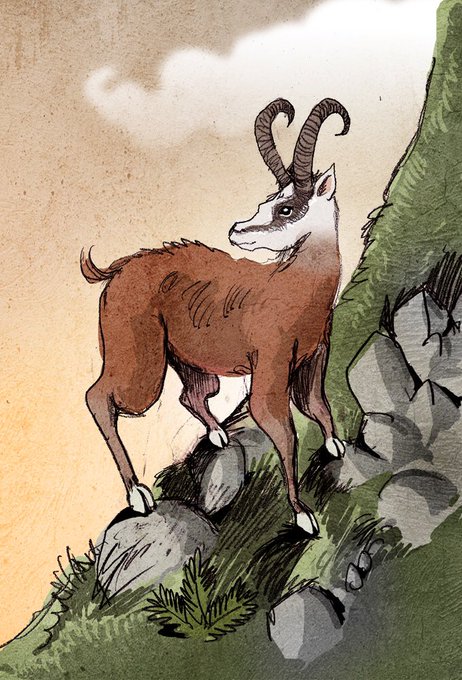
The dahu is a mythical mountain goat-like creature from French lore, with legs shorter on one side to better climb the steep rock face. It’s the object of a lot of pranks, from convincing children of its existence to sending gullible people to hunt it down. #FolkloreThursday


Many know Dwalin from the Hobbit, but there was also Dvalinn, a ruler of the Norse dwarves who taught them the writing of runes. His daughters were among the Norns and he helped to forge Brisingamen, Freya's necklace. #FolkloreThursday #thehobbit #dwalin


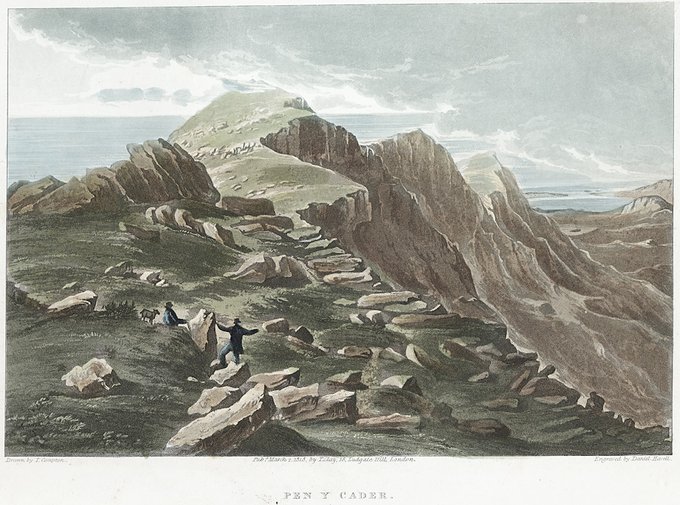
If you sleep on Cadair Idris (Idris's Chair') you will wake to find yourself a poet or a madman - if you wake at all. The lord of the Otherworld hunts there with red-eared hounds. The crater lake is not only bottomless but the home of a dragon. #FolkloreThursday #WorldMountainDay

For years after its first reported sighting in 1920, scientists have tried to prove the existence of this 2-3m long amphibian known as the Trinity Alps Giant Salamander, but none have succeeded
https://t.co/DHMKKzwbT2
#FolkloreThursday @FolkloreThurs #cryptidsforthecurious


Manfred on the Jungfrau by Ford Madox Brown depicts Manfred's torment as he contemplates suicide. Based on Byron's dramatic poem, Manfred’s unnamed guilt is generally thought to reference Byron's incestuous affair with his half-sister Augusta Leigh #FolkloreThursday #mountains


Heidi..
#GustafTenggren 1923 #FolkloreThursday #WorldMountainDay


Mind the trolls and be polite to the folk you may meet while exploring the mountains. @folklorethursday #FolkloreThursday #kidlitart #hikingadventures #folklore #lakedistrict #dartmoor


#FolkloreThursday According to folklorist Wirt Sikes the gwyllion are female fairies of frightful aspect who haunt lonely roads in the Welsh mountains and lead travellers astray. They are more akin to hags or witches.
#art by Todd Lockwood


This week's #FolkloreThursday theme is folklore of #mountains, #hills and rocky places for #WorldMountainDay
So here’s a little dragon from the rock-strewn slopes of Tryfan - one of the higher & wilder places in Wales.


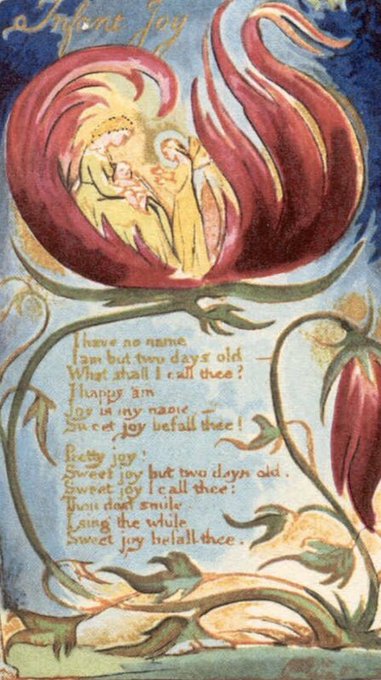

#WilliamBlake, visionary #poet, painter & printmaker, was born in #Soho #London on 28th November 1757. He first published his poems as illuminated plates. #Artlovers #art #symbolism #arte #FolkloreThursday