SCIARTのTwitterイラスト検索結果。 6,563 件中 148ページ目


This week in Stillingfleet's 1755 #CalendarOfFlora: Rooks roost in their nesting trees, while the Goat Sucker, or Nightjar, is no longer heard at night. Yellow Devil's Bit is in bloom, as Peas and Wheat are ready for harvest. #SolaceInNature #SciArtSunday #SciArt #HistSciArt


@Sternarchella @ToddClardy If you nead some #visscicomm for this please check out Bobby Long’s beautiful work! https://t.co/vEQyjHxSF8 #sciart #symbiosis #scicomm


All anoles of the carolinensis group are considered to be part of the trunk-crown ecomorph. However, I find the smaller members of the A. isolepis subgroup rather similar to twig anoles. They even have short limbs #anoles #sciart #WorldLizardDay


It is the best day of the year #WorldLizardDay! So I present you here the anoles of the carolinensis group. The real, real, real #anoles! This group center of diversity is Cuba but also includes the only native anole of the United States (8 out of 14 species) #sciart #lizards

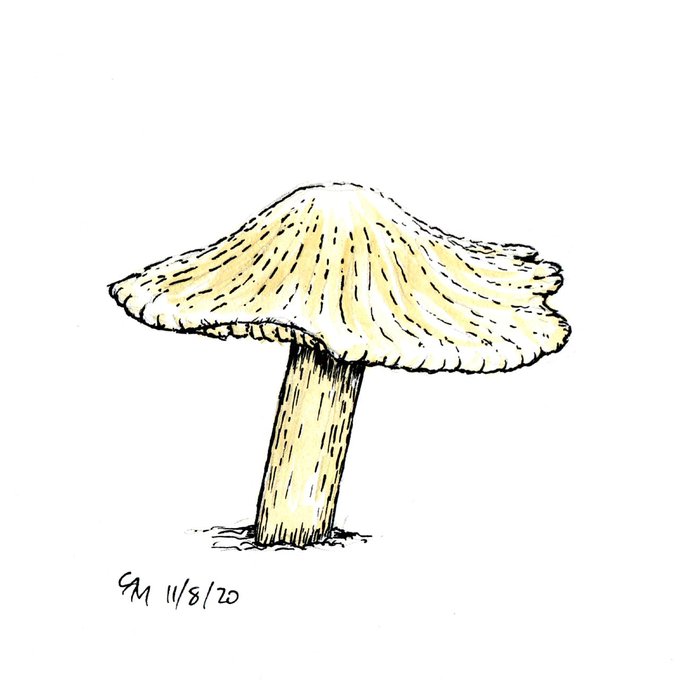
Another #mushroom from our recent #camping #trip
#mushrooms #fungi #sciart #scicomm #scientificillustration #illustration #mushroomdrawing


Here’s some more interesting facts about sharks for @SharkWeek.
With such enormous appetites you would think sharks would require equally huge digestive systems. Well think again! Sharks have a compact digestive tract thanks to their valvular intestine.#SciArt, #SharkWeek, #shark


Si te gustan los gifs de #illustraciencia entra en https://t.co/6A9RACevTc y compártelos #sciart

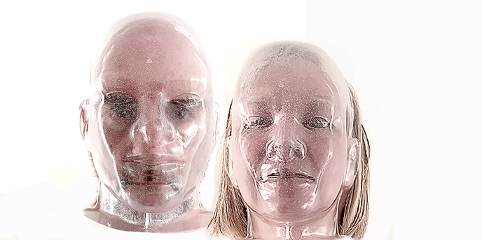
'Save Face' Artist: Eleanor Gates-Stuart
https://t.co/6q7yYOaC8m
POWER: ACTIVISM, ADVOCACY AND THE INFLUENCE OF WOMEN ONLINE
ACM SIGGRAPH Digital Arts Community, 2020
https://t.co/6ZmfRkp1YG
Kathy Rae Huffman Curator
@CharlesSturtUni #facemask #eleanorgatestuart #sciart


In our new #sciart talk, @RackebT will explore what it means to make #scicomm inclusive for various populations. The importance of using audio storytelling and how to meaningfully collaborate with overlooked voices and perspectives.
Register now! https://t.co/bW7FDu851q

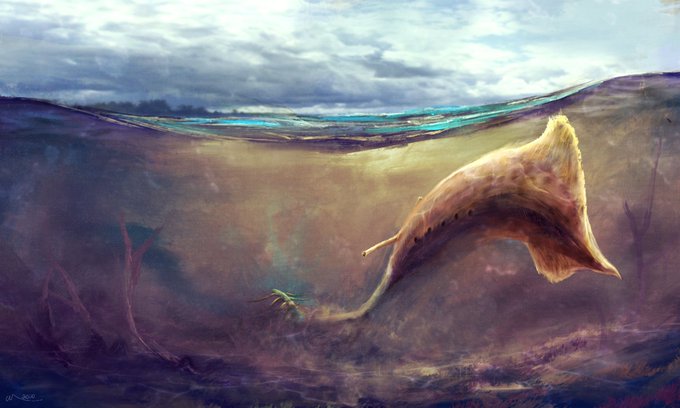
The Essex Biota of the Mazon Creek Lagerstätten, during the Carboniferous period. Tullimonstrum gregarium, better known as the Tully Monster, preys upon the marine lobopodian Carbotubulus waloszeki, a close relative of Hallucigenia.
#Paleoart #Paleontology #SciArt


Best way to start the week on the right foot? Kicking it off with a new #AnatomyDoodle + groan-worthy puns 😁🦶🏼
If anyone would like a black & white version to colour in themselves, give me a shout ☺️ #SciArt #MedTwitter


@ravenscimaven Visualization is often a pertinent part of the process. #sciart #biomedicalvisualization #multifaceted


I did a couple of these jellies in space for #jelliesinjuly, and this one is my favourite. I've learned a few things about how to better apply stars. This is C. sericeum being coy, in outer space!
#sciart #jellyfish #marinelife #nebula #outerspace #sericeum


posts it here so people still believe that im still productive at making sciarts
famous octopuses


@ravenscimaven Marine ecologist and visual artist - been creating art my whole life and there was no way I was stopping! Started my freelance art business the year I started my PhD, & have been doing lots of SciArt and scientific illustration commissions as part that 😊

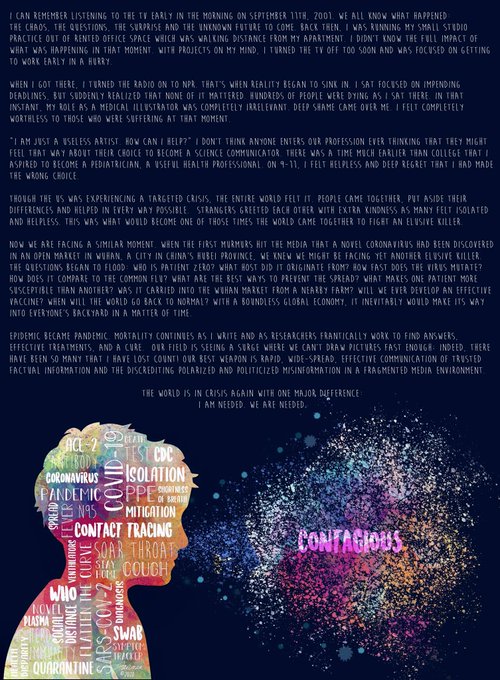
Looking forward to presenting “COVID-19: Visualizing a Moving Target” tomorrow at the 2020 @GNSIorg Virtual Conference! #sciart #covid19 #coronavirus #scicomm #medart @jhumedart @AMIdotorg


#FluorescenceFriday🔬Colony of 🐭stem cells. Microtubules (cell scaffold &🐦nest):yellow. Nuclei (🐣eggs):pink IG:Bioutiful1 #cellfie #confocal #microscopy #devbio #sciart #cytoskeleton #science #biology #stemcells #scicomm #WomenInSTEM #girlsinscience #Geek #art @sriamitray
