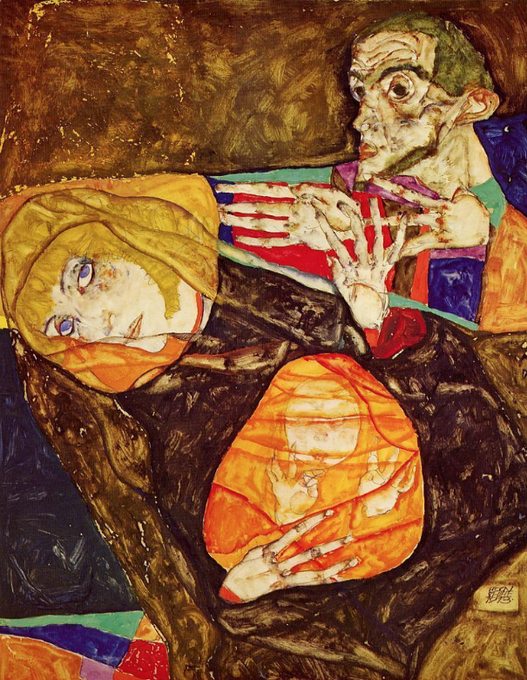
schieleのTwitterイラスト検索結果。 20ページ目


Portrait of an Old Man (Johann Harms), 1916 #egonschiele #schiele


@_Sonia_Perez_ @m_sangalli @voplividchau @Alittlecrypto2 @babymurka @mimidesoos @LulaCeva @stagno_luca @PabloRadice Thanks for the tag Sonia.
I have two 1/1 newly minted inspired by Egon Schiele.
https://t.co/2bQiHpUjTo
Tag: @DehiscenceArt @breakerdoll


INSPIRATION SERIES.
These pieces were inspired by works of Egon Schiele.
“Torso I” : 1/1 - 12tez
🔗 https://t.co/XHg21kPANu
🔗 https://t.co/A8dO5o7exx
“Torso II” : 1/1 - 12tez
🔗 https://t.co/EBZeDElFrA
🔗 https://t.co/LdmJ9fnciR
#nft #CleanNFT #tezosart #NFTdrop


9-Egon Schiele. Vivir y morir
#XavierCoste
(@NormaEditorial)
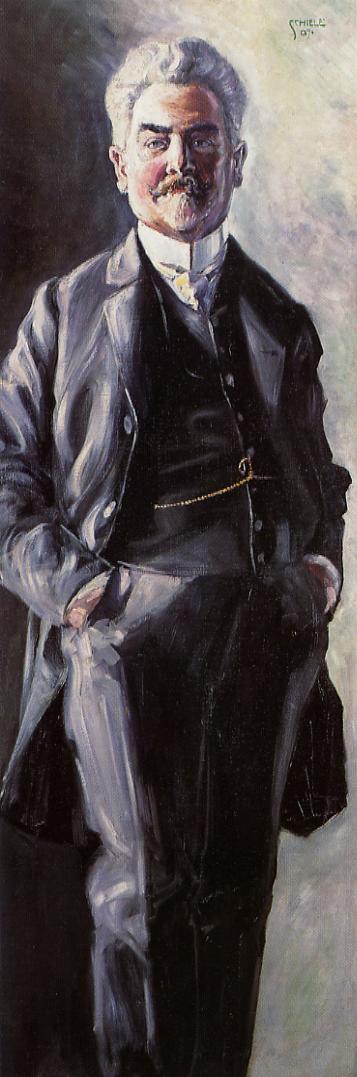
Portrait of Leopold Czihaczek, Standing, 1907 #schiele #egonschiele


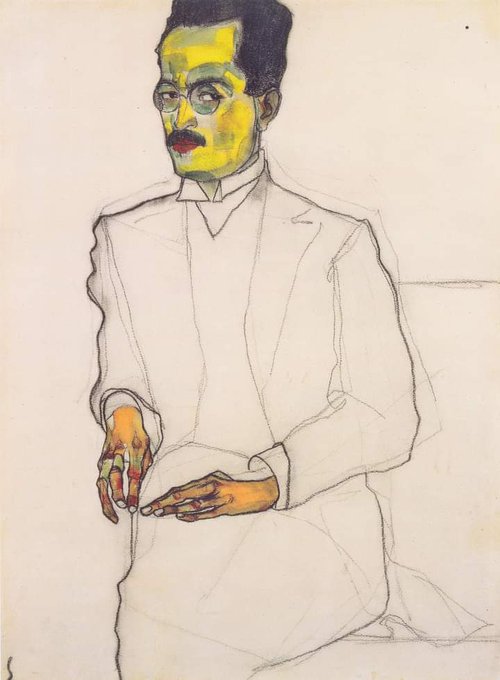


@GerardLDonadoni @DavLucia @marialves53 @albertopetro2 @Petra71301259 @agustin_gut @CarloEnrico16 @migliaccio31 @ritamay1 @LunaLeso @erminiopasquat1 @GaiaGaudenzi @angela3nipoti1 @Rebeka80721106 @karmendida @gori_magnani @angelicadisogno @ARTESelezione @claudioborlotto @BaroneZaza70 @Barbaga3Gaetano @EnricoCastrovil @GiardinoPietro @smarucci461 @BrindusaB1 @dianadep1 @paoloigna1 @AnnaMar90949897 @NotizieB @LaPaginaArte @licprospero @marmelyr @BryanMatthews23 @cmont4560 @anne_camozzi @ViewArte @PaolaToogoodxme @ANNAMAMARIABIA1 @ValerioLivia @NadiaZanelli1 @AlessandraCicc6 @djolavarrieta Egon Schiele - Lesbisches Liebespaar, 1914


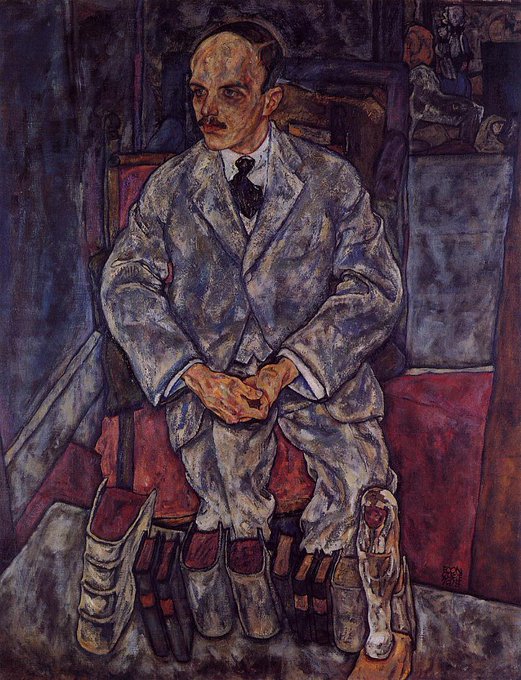
@albertopetro2 @DavLucia @Rebeka80721106 @smarucci461 @BrindusaB1 @BaroneZaza70 @agustin_gut @dianadep1 @Titas37 @angela3nipoti1 @Messe11 @PaolaToogoodxme @NotizieB @ManuelaDora @rebeccaabdu @doritadia @cmont4560 @anne_camozzi @paoloigna1 @NadiaZanelli1 @Petra71301259 @AnnaMar90949897 @Sensibilia8 @ANNAMAMARIABIA1 @revove22454 @BryanMatthews23 @quis_gomez @marialves53 @yianniseinstein @smc_su @ScottDorian4 @henrirousseau12 @erminiopasquat1 @EnricoCastrovil @SalaLettura @LaPaginaArte @djolavarrieta @ValerioLivia @AlessandraCicc6 @Dominiquepucini @JohnDante_ @Raky12394231 Mettiamo pure ogni tanto un signore che legge: Ritratto del dottor Hugo Koller 1919 di Schiele


El sexo es siempre bueno, si no va en contra de la ley o la salud. Mejor que el running, el mindfulness o el chocolate. Pero veo una cierta falta de autenticidad en compartir el cuerpo con quien no se comparte la mente ni el corazón.
🎨 Egon Schiele


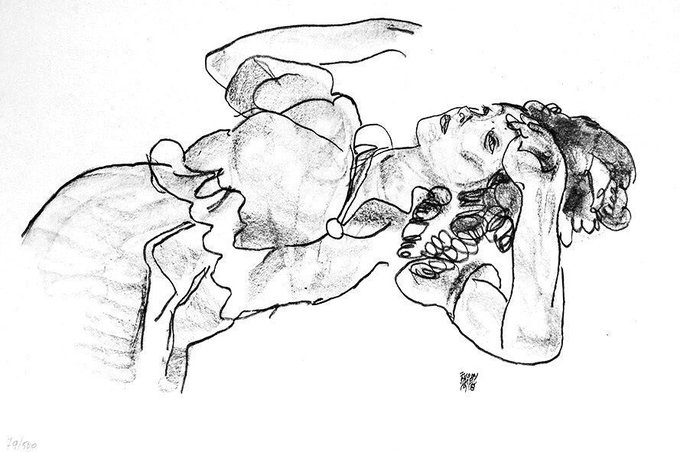

In 1918 the ‘Spanish’ Flu killed his pregnant wife & then Schiele, three days later. The virus cut off one of Europe’s greatest artists in his prime. Two Women (1917), The Family (1918), Woman (1918) & Paris von Gütersloh
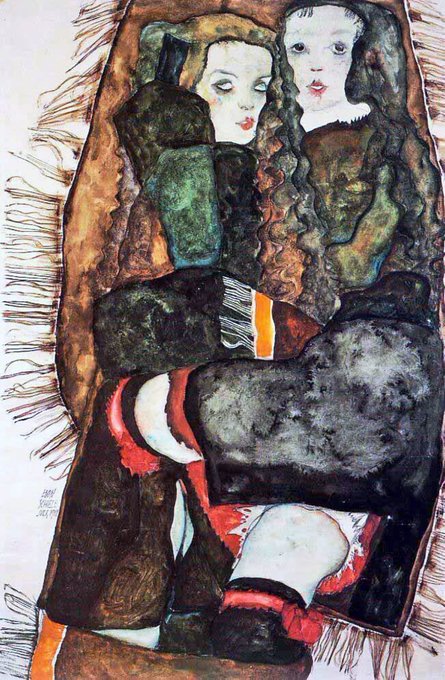


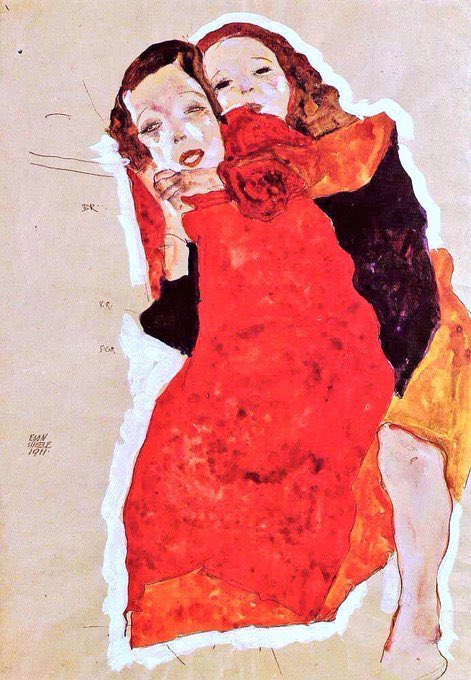
In 1911 he met Wally who would become his muse. Schiele found the bourgeois environment of Vienna stifling & so he moved with her to Krumau in Bohemia. However he was driven out by the locals. Here are a series of lesbian works from 1911


Schiele became aware of the work of Munch, Toorop & Van Gogh & was inspired by them (1909). From this time Schiele began exploring his sexuality- especially in drawings & watercolours. Self-portrait (1910), Sunflower (1908), Hans Massmann (1909) & Dead Girl (1910)


He had his first exhibit in 1909. Along with Klimt, Schiele was also influenced by Kokoschka. Having integrated their ideas he created his own style. The Artist’s Sister (1908), Gerti Schiele (1909), Female Nude Crouching (1909) & Self-portrait (1909)


Reclining Female Nude, 1908 https://t.co/HuAb8N5aij #schiele #expressionism


Austrian artist Egon Schiele’s figurative work exhibits intense emotion and technical brilliance. Following the lead of his mentor, Gustav Klimt, Schiele created portraits of uncanny intimacy and brought a new openness to the art of his time.
1/4