LoretのTwitterイラスト検索結果。 5,726 件中 197ページ目


Fairies consider it really quite rude to trample on bluebells as they hold them in such high regard...it is said that when they need to summon their kin to a Gathering then the bluebells make a ringing sound - but if humans hear this then it is a bad omen... #FolkloreThursday


Grandville was a French caricaturist with an eye for the unnatural & absurd. The Flowers Personified (1847) shows a fantasy world peopled by humanised flowers. His disquieting images are recognised as an inspiration to the surrealist movement. #FolkloreThursday


A flower of loyalty - day after day the sunflower follows the sun from east to west.. #Sunflowers #WalterCrane #FlorasFeast #FolkloreThursday

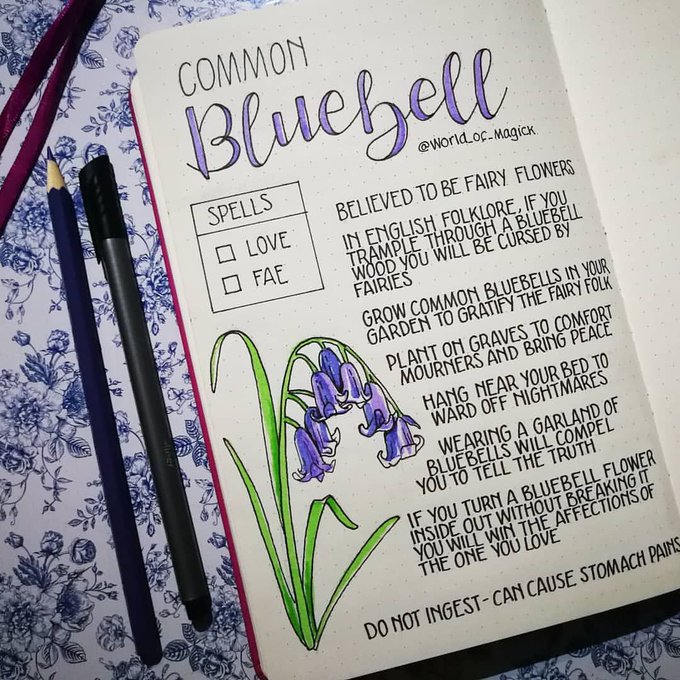


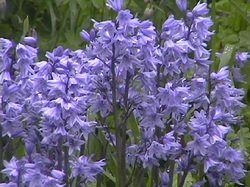
Lots of history with Bluebells in Ireland, It's unlucky to walk through a field of them, because they're full of spells. When a bluebell is rung it calls the fairies. If someone wears a wreath made of Bluebells they will have to tell the truth. #FolkloreThursday @FolkloreThurs


Illustrator Cicely Mary Barker was largely self-taught due to ill health.
Her Flower Fairies combined botanical sketches with characterful life drawings of local #children.
Here her portrait of ‘The Garden Boy’ becomes the watchful Elm Fairy #FolkloreThursday #Flowers


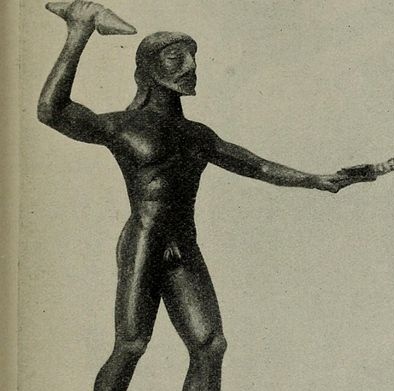
Objects - and people - struck by lightning were viewed with reverence and awe in Ancient Greece. Those killed by lightning were called dioblêtoi, "Those smitten by Zeus," and were often given special burials.
#FolkloreThursday
(Source: Robert Garland, The Greek Way of Death)


Rag rugs like this one in cottage No. 5 @Truesyardmuseum had a red diamond in the middle called a 'Devil's Eye', which was supposed to trick demons coming down the chimney into thinking there was already a devil in the building! #FolkloreThursday

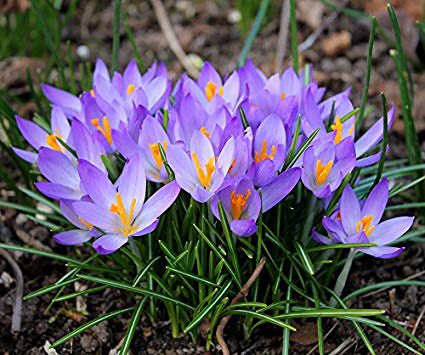
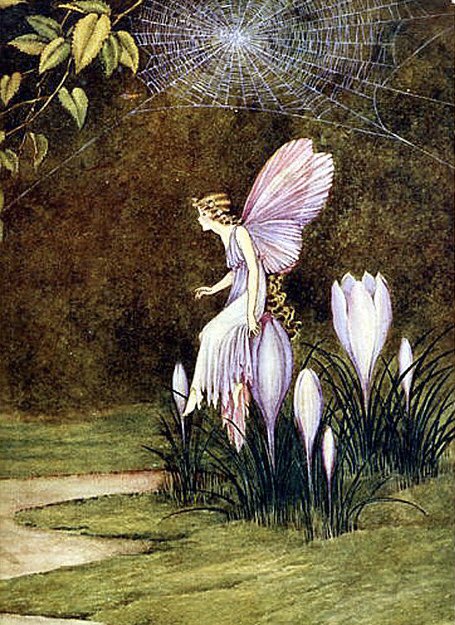

In Greek legend Crocus was a mortal youth - after his failed affair with the nymph Smilax the gods turned him into a plant..
#FolkloreThursday #crocuses


The Mandrake or Mandragora Officinarum has more folklore associated with it than just about any other plant.
The best known piece of folklore about the Mandrake is that it screams as it is pulled out of the ground, killing anyone who heard it.
#FolkloreThursday


Atropos, "whose name means 'the dreadful,' 'the merciless,' or 'the cutter,'" holds the shears, cuts the thread, determines the manner of one's death. (Judika Illes's The Element Encyclopedia of Witchcraft, 154-155) #FolkloreThursday (2/3)
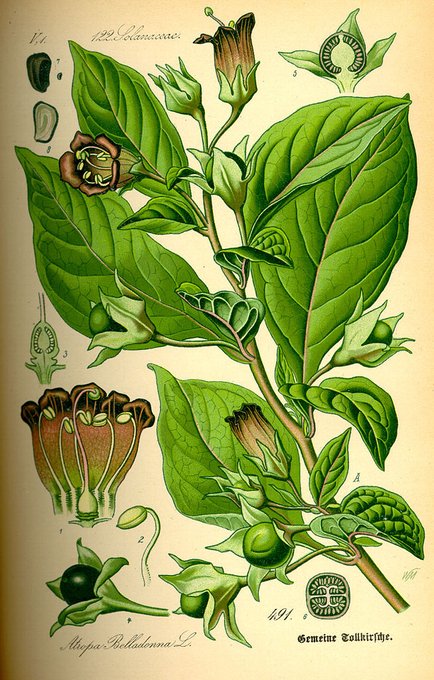


Atropa belladonna, aka deadly nightshade, is a poisonous and deadly plant which grows among ruins and in wastelands. Its genus name comes from Atropos, the oldest of the three Fates. (Judika Illes's The Element Encyclopedia of Witchcraft, 154-155) #FolkloreThursday (1/3)


In #Scotland there is an ancient belief that if you plant a #rowan tree near your front door it will ward off witches’ spells as well as faeries & bad spirits. Rowan is also known as witchentree or witch-wood. #FolkloreThursday #BurnsNight #Celtic #Tree month, Img: Cicely Barker


Do any other #artists #dream of painting on their breaks from their 9-5 job 😊
#painter #dayjob #MondayMotivation #artlife #Dreamer #discoverireland #donegal #exploretocreate
@DiscoverIreland


Cereza character Bachelorettes for male player in
MemoryTrees : RPG simulation game [BXG] [GXB]
Download public version https://t.co/pclG516dpw
.
.
.
#indiegame #gamedev #gameart #illustration #gamedevelopment


rip twit crop but i finished this girl's app for the rp group alluvian-florets! her name's tatiana colombera and she's awful

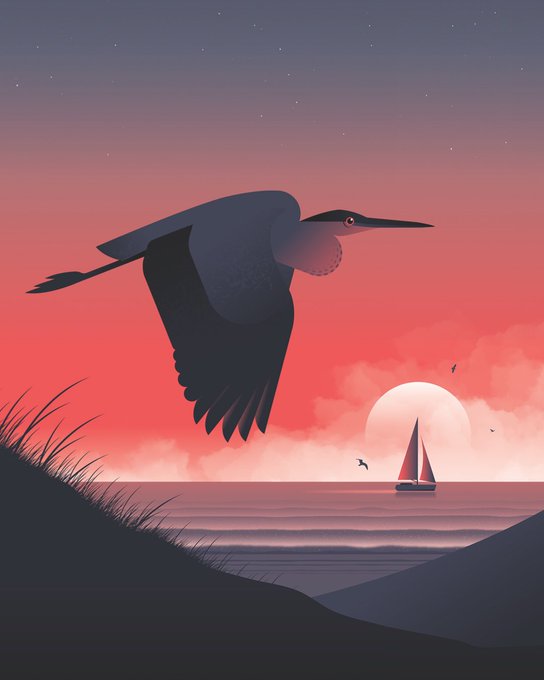
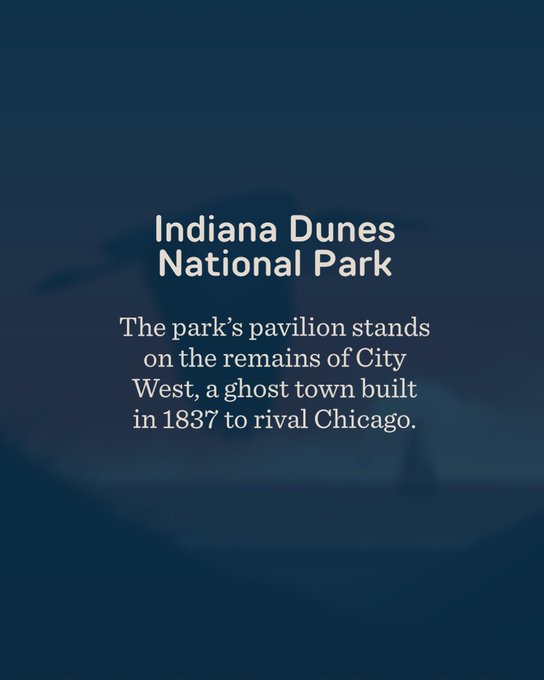
Illustration: Indiana Dunes by @simonmarchner, a part of the @fiftynineparks collection
Indiana Dunes will have this beautiful illustration featured in the upcoming expansion for PARKS.
PARKS Expansion: Nightfall is coming to Kickstarter in February.
#ExploretheWilds


#FolkloreThursday
Did you know, in 17th C, rural practitioners of folk magic used an ointment that would help them see the Faerie folk?
A blend of several flowers & sunflower oil and left in the sun for three days until thickened.
I think this little lady may have helped them!


One evening, a penniless shoemaker received unlikely aid from a few elves. The elves made a pair of beautiful shoes from leather scraps. The man sold the gorgeous shoes and then provided food and clothing to those with less than himself.
#FolkloreThursday @FolkloreThurs


With #spring2020 right around the corner, it is almost time for one of my favorites to get to #work; the #Garden Gnome! A helpful member of the fae. Bringing protection & good luck. For when the sun goes down, they come alive at night to help work on your garden.#FolkloreThursday