FuneraryのTwitterイラスト検索結果。 64 件中 3ページ目


Ancient Egyptians considered the fragrances to be the sweat of the sun god Ra. They used fragrance in rituals, ceremonies and funerary contexts, and wore scents in unguent cones, or wax hats that dripped oil into the hair. Ancient Egyptian perfumes were thick, like olive oil.


Hi #VisibleWomen! I'm a #kidlit illustrator and I love telling stories with pictures. I also love earl grey tea, mollusc shells, and funerary archaeology of early medieval England.
🌍 https://t.co/TTOteVu3SY
✉️sianj@pm.me


Naglfar, a ship fated to sail during Norse end times, was to to be built entirely from the finger/toe nails of corpses. To deprive the otherworld of materials & delay the ship's construction, funerary tasks often included trimming the nails of loved ones. #MythologyMonday


cw:death I mentioned this a while ago, but people familiar with memento mori and memorial portraits, if you're a creep like me and want... your character/a character you love in that style... please hit me up? It's something I really enjoy doing. #death #funeraryarts


While I was at it, I figured I would tinker with some scribbles of my dear little Death Knight.
Rolled her launch day in wrath, She's a weird Lil Concept.
She's a Former Funerary Priestess, caught on the battlefield laying Rangers to rest during the scourge March.


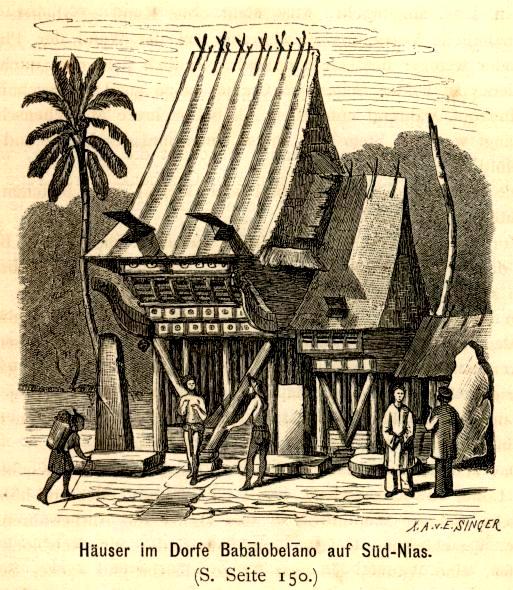

Last RT: I've never seen building-shaped Haniwa before, but they sort of remind me of a cross between Han funerary sculptures (top row) and the sorts of houses you might find in, say, Nias (bottom row).


COZOL is a futa ahuaque (water #elves). She is a demigod funerary of the water, owner of the shrimp, granddaughter of Tlaltecutli.
#futanary #preg #pregnantbelly #bigbelly #inflation #preggo


A piece I did for my 4th year final show!
"Funerary Rite"
Watercolours and Micron Liners
2020

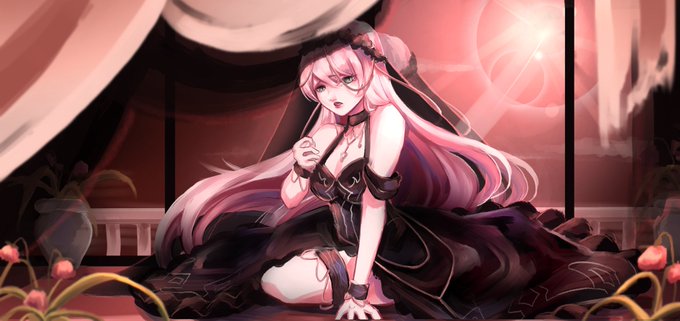
Funerary Bride: Shirley SR Skin
Might have time to complete one more before the event period ends.
୧(^ 〰 ^)୨
#Sdorica


My first #PortraitChallenge!✏️ Portrait of Ammonios, a fragment of a funerary shroud painted by an unknown artist in Roman Egypt (30 BC - AD 392) @StudioTeaBreak


It’s the thursday #PortraitChallenge! One day late, but here’s the Portrait of Ammonios, a fragment of a funerary shroud painted by an unknown artist in Roman Egypt (30BC - AD 392) @StudioTeaBreak #sketch

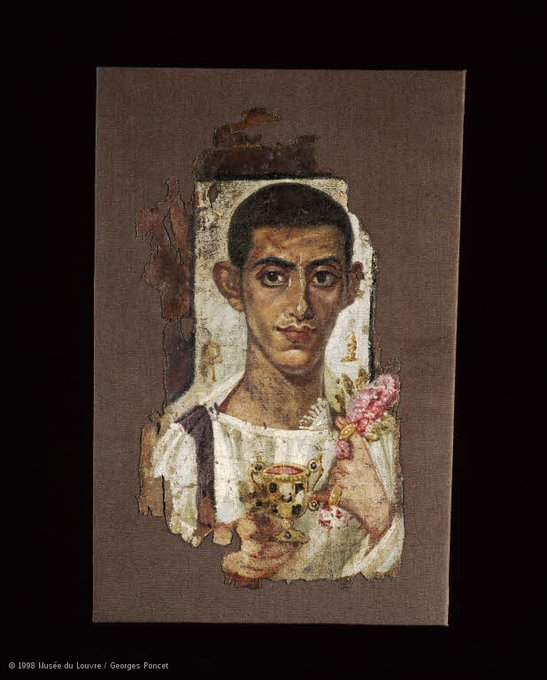

Thursday #PortraitChallenge!✏️ Portrait of Ammonios, a fragment of a funerary shroud painted by an unknown artist in Roman Egypt (30 BC - AD 392) @MuseeLouvre https://t.co/AzKfwVbFqe

Naglfar, a ship fated to sail during Norse end times, was to to be built entirely from the finger/toe nails of corpses. To deprive the otherworld of materials & delay the ships construction, funerary tasks often included trimming the nails of loved ones. #FolkloreThursday


@PurgatoryArcheo Here's another! Tōhaku-kun is a mascot for the Tokyo National Museum. He is a type of haniwa, or funerary clay figures that were arranged on large mounded tombs of the protohistoric Kofun period (3rd-6th/7th cent). His type is known as dancing haniwa~


Unfairly called villain, the banshee? She’s a harbinger of death but reminiscent of old Irish funerary processions which included paid mourners to wail/shriek, doesn’t she also mourn death? Why is she always depicted so frightful? #FolkloreThursday @FolkloreThurs


70. Spirit Lantern - Containing the dying breath of a unknown entity, this lantern is often used by Funerary priests to identify the fallen bodies on the battlefield.#dnd5e
Get your hands on your deck of magic item cards from my online shop!: https://t.co/I9zhmY0DXR


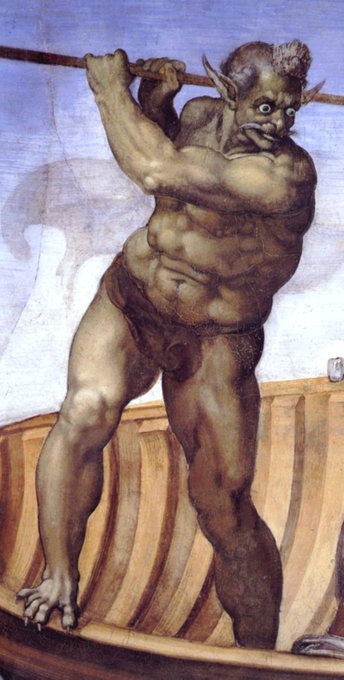

The Obol was an ancient greek coin made of bronze, copper or silver and popular for funerary use. Deceased were buried with obol coins in their mouth to pay the ferryman Charon for the passage across the rivers Styx or Acheron.
#FolkloreThursday #folklore #mythology #myths


How to make sense of the juxtaposition of a quintessential Chinese tombstone & a funerary couch turned into a Sasanian-style gilt vessel? My conclusion: An Jia saw himself as a mediator between Chinese & Sasanian cultures; he celebrated this dual identity with remarkable stones.

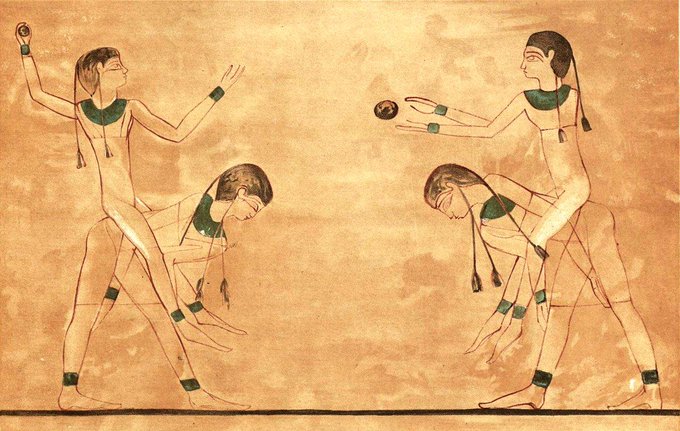

How do we recognise "play" in the ancient world? Children were likely more socialised with adults than today; most depictions of "games" (like this from the tomb of Baqet III at Beni Hasan, c. 2000 BCE) come from religious or funerary contexts. This ball is from Kahun #PlayMW

