CiARTのTwitterイラスト検索結果。 7,420 件中 209ページ目


A painting of a Ribbon Eel (Rhinomuraena quaesita) larvae from today's baby pics edition of #SundayFishSketch from images taken by D. Zupanc at the Vienna Zoo.
#scicomm #fishart #sciart #eels #painting #foofighter #babyeels


In case anyone needed a matching phone case, bag, and zippered pouch... my “Hello from Mars” selfie painting is now available!
https://t.co/IkQf7R2GnC
#mars #sciart #astroart #marsrover


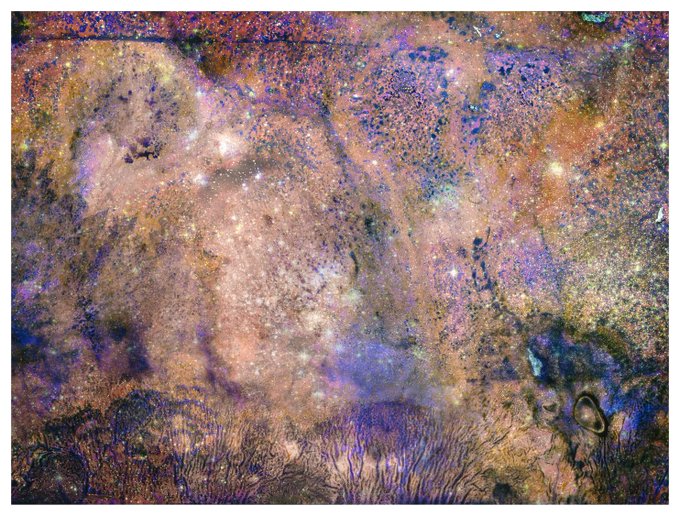

Beautiful pieces from Marcus DeSieno in “Cosmos,” a photographic #sciart project where he grew microscopic bacteria onto photographic film of space-based imagery. Lovely integration of 2 of my favorite scientific fields:
https://t.co/D8EQGPiX6c


I just realized I have a almost always depicted dinocephalian therapsids in combat or attacking some other animal! 🤔 That is not that usual for me #Paleoart #sciart #synapsids

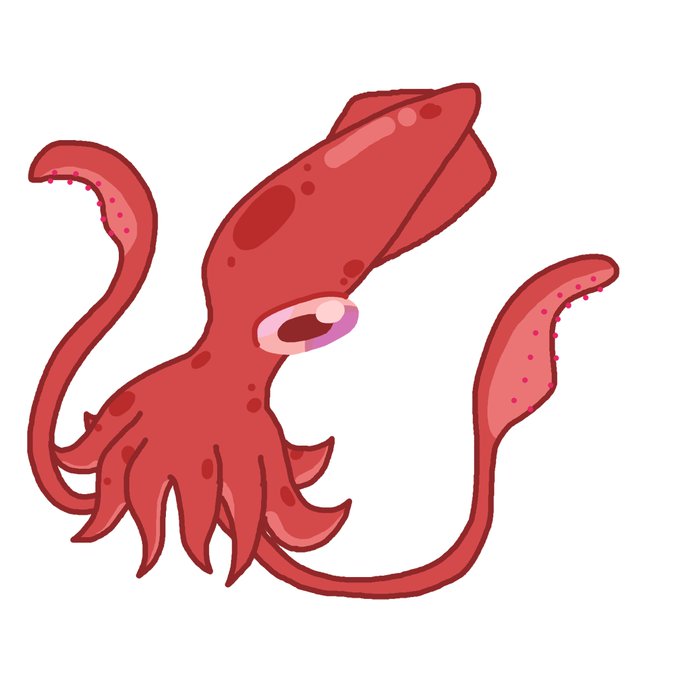
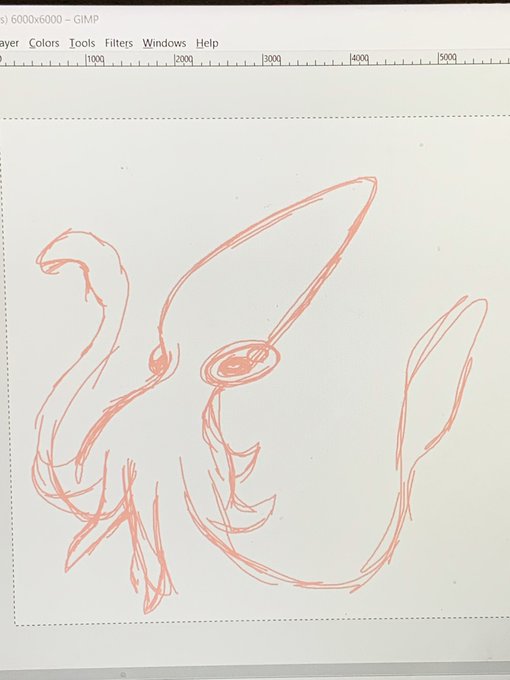

Been on hold for nearly two hours... so decided to do some drawing whilst I waited. Here’s a cute squid with design process. #stillwaiting ... #sciart #art #squid #digitalart 🦑

You have traveled back in time to Late Permian South Africa and all of the sudden you run into this pair of Moschops capensis head butting! What a sight that must have been! Moschops was a dinocephalian therapsid, this a very distant relative of ours #Paleoart #sciart #synapsids


Engravings from Metamorphosis Insectorum Surinamensium (1705) by naturalist and scientific illustrator, Maria Sibylla Merian.
Merian was born #OTD 1647. Further details about her remarkable life: https://t.co/dvqS0lc41j
#histSTM #WomenInSTEM #sciart

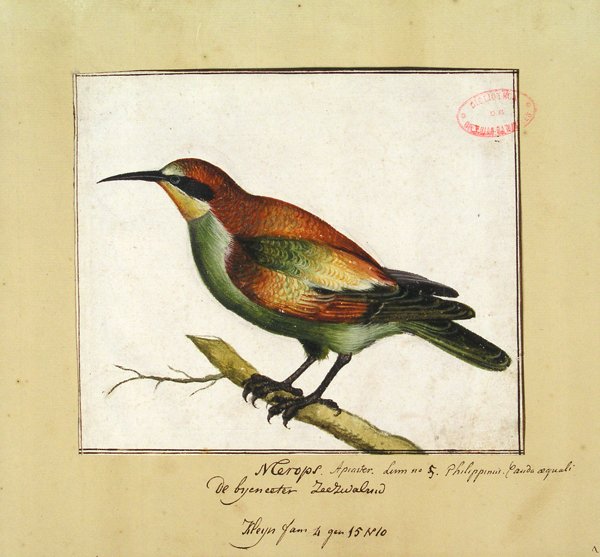

#Feathursday The European bee-eater (Merops apiaster) is similar to a rainbow when flying. The English term "bee-eater" was first recorded in 1668, referring to the European species. #Birds #SciArt #HistCol #Archives #VanBerkheij collection #MuseumFromHome #NatHist #Museums


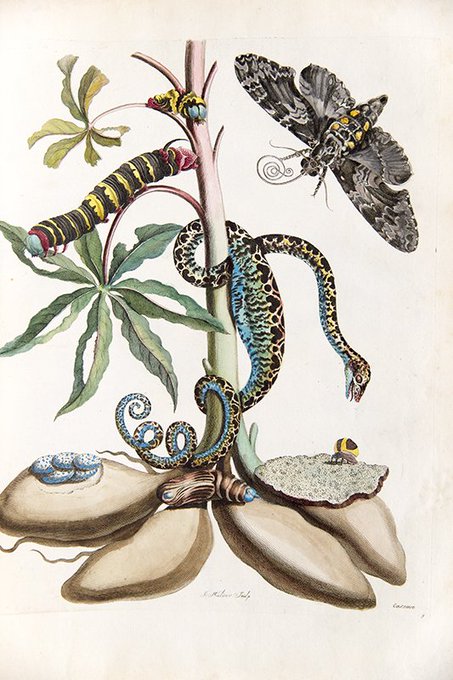
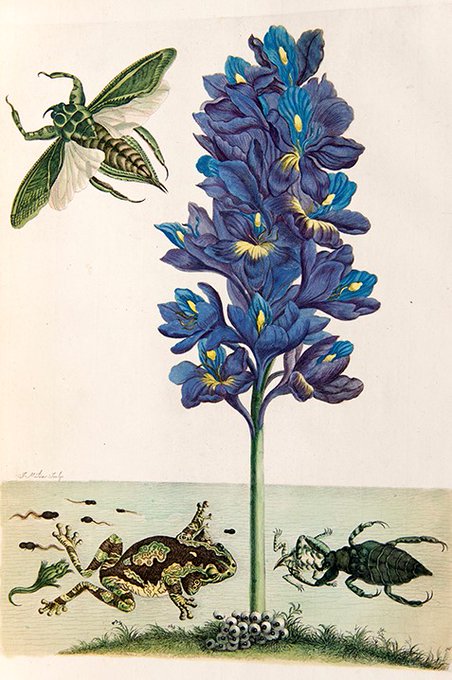

Happy birthday Maria Merian born #OTD in 1647. Artist, entomologist &, #HERper. Her #book on insects of Surinam is one of our favourites & we often feature it in our tweets. More in our blog: https://t.co/3BBIt38C1I #SciArt #EntHist #WomenInSTEM


I'm taking the #aprilcolorschallenge by @faunwoood this year! Prompt 1: favorite color!
Did you know that some plant-associated #bacteria can suppress plant pathogen? The bacteria use the T6SS weapon to disrupt the insect microbiota, promoting #pathogenesis.
#sciart #scicomm


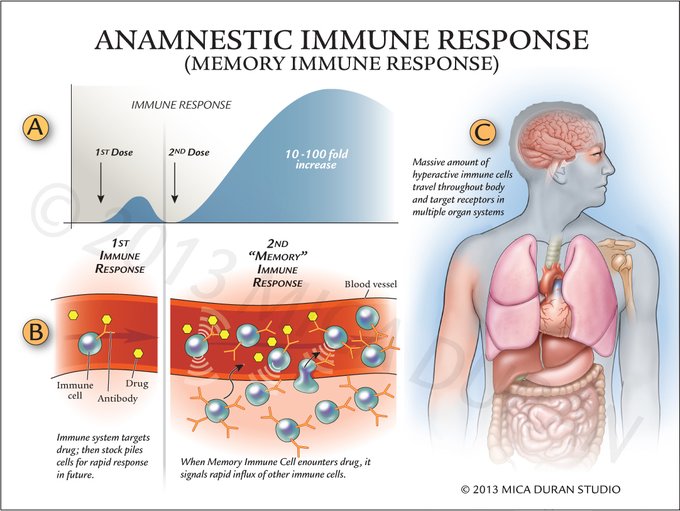
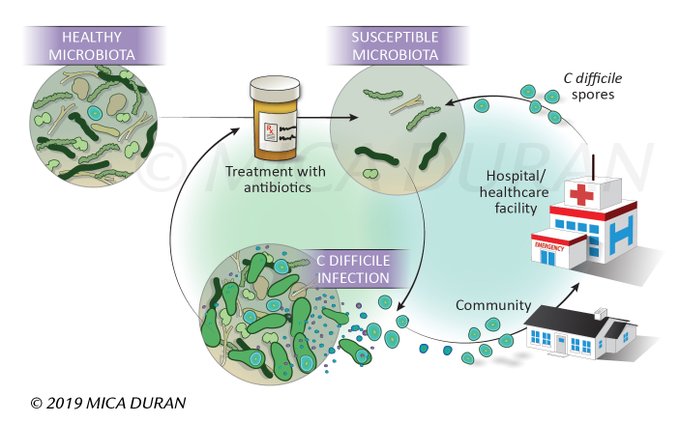
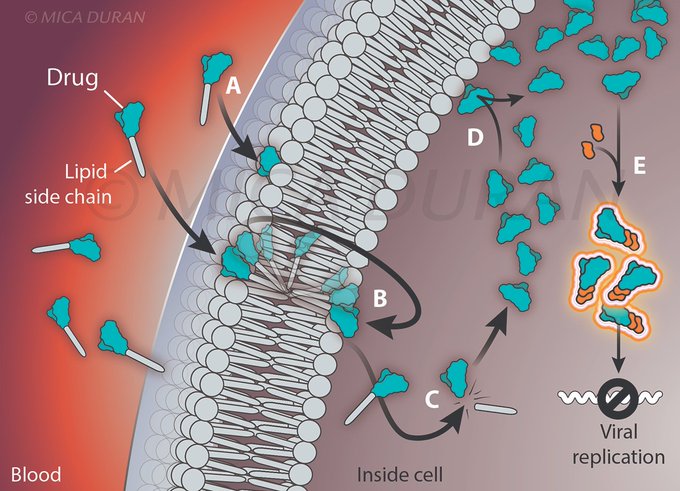
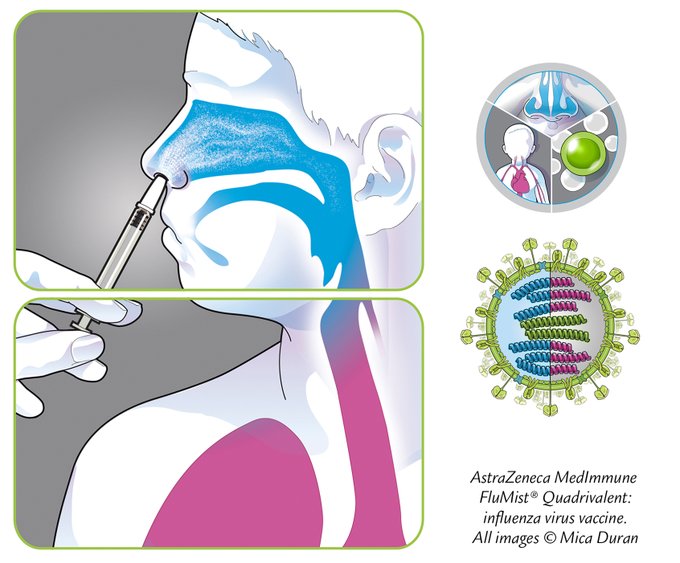
A sample of illustrations by @micaduranartist portraying the body's response and drug therapies for viral and bacterial infections.
Clients: @TheScientist, @ShawScience, @Ferring, @AstraZeneca, @clinedavismann, @chimerix, @WheelerTrigg
View More: https://t.co/dIL0DjKs9G
#sciart

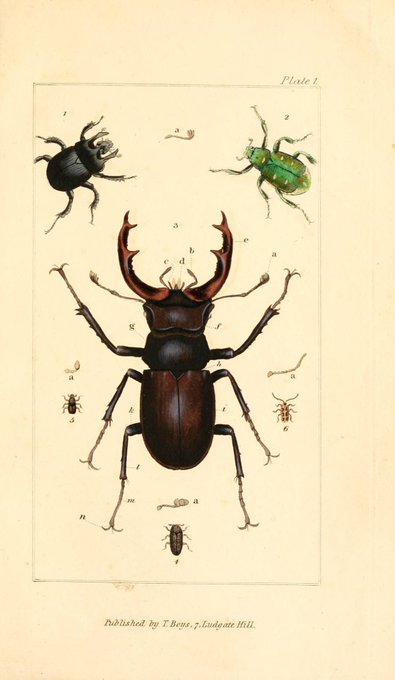

Just came across the @flickr account of the @BioDivLibrary where they uploaded tons of beautiful #illustrations to the #PublicDomain. Check out e.g. these beautiful #beetles and #Hymenoptera by Samouelle 1819!
#SciArt #Botany #Zoology #Entomology #Insects
https://t.co/1sOG36hMeO


Tanystropheids are another group of amazing early #archosauromorphs that lived exclusively during the Triassic. They came in long-necked and SUPER long-necked forms. Most were terrestrial but at least one taxon was marine. Illustrations from my in-prep book #Paleoart #sciart


Our second #CSCIartcompetition image shows clustering of single-molecule localisation microscopy data of DNA stained with Hoechst to segregate signals into individual chromosome territories.
Chromosome territories (nucleus)
Kirti Prakash (Rowitch lab)
2/4

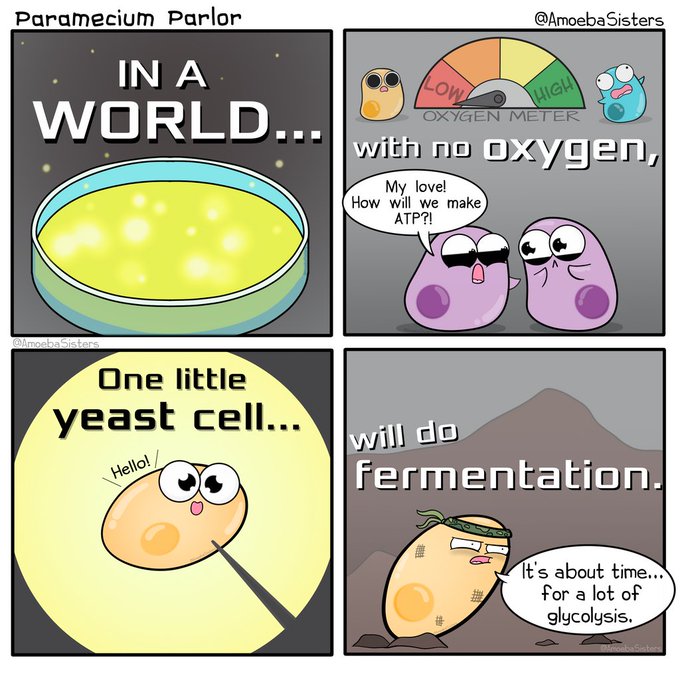


Need a bit of #SciArt this morning? Read/listen to "The Petrified Fern," by Mary Bolles Branch on your coffee break! The moral of this poem is that no matter how inconsequential your efforts may seem, they'll be appreciated in time. #PalaeoPoems #PaleoArt
https://t.co/piDBW6izMj

Our second scientific image from the #CSCIartcompetition comes from @Gio_Canu from the Vallier lab.
United by the love for science
Giovanni Canu (Vallier lab)
2/4

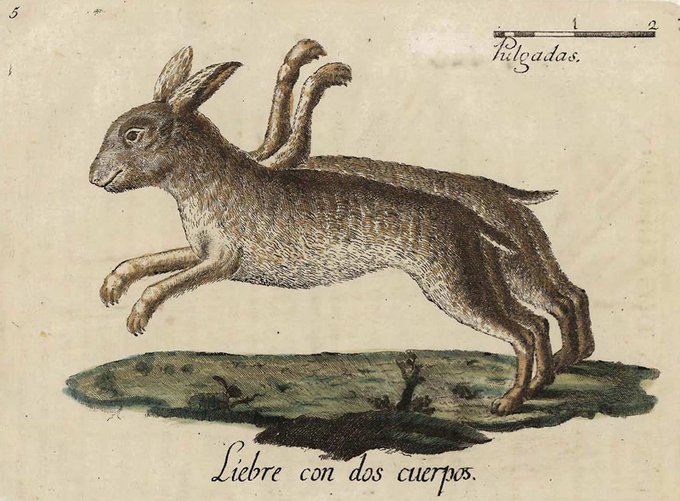
#HistoriaMNCN En sus inicios reunió casos teratológicos humanos y animales por la gran curiosidad que despertaban en la gente. La 1ª publicación (1784) fue "Colección de Láminas que representan los animales y monstruos del Real Gabinete de Historia Natural" de J. B. Bru. #SciArt