eographicのTwitterイラスト検索結果。 25ページ目

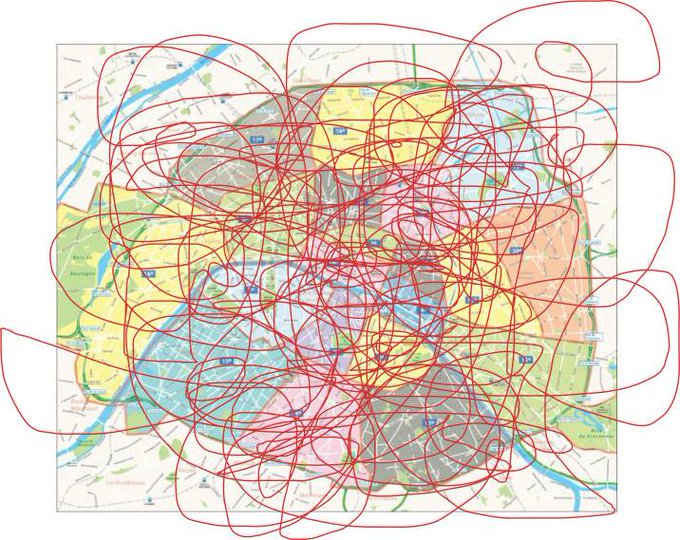
LEFT: What some #GiletJaunes came up with after the police demanded they submit their march route ahead of time
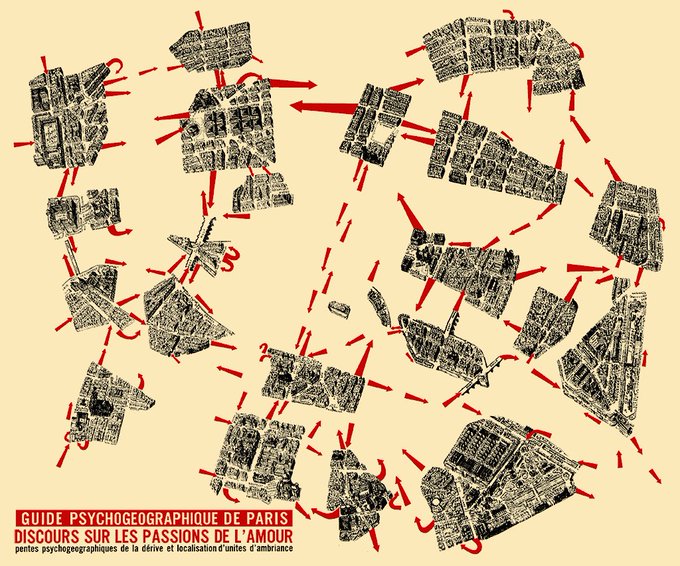
RIGHT: The Situationists' 1955 "Psychogeographic Guide to Paris," an experiment in mapping the flows of affections between and through their neighborhoods


I heckin' love National Geographic Magazine
#NationalGeographic #Fursona #artistsontwitter


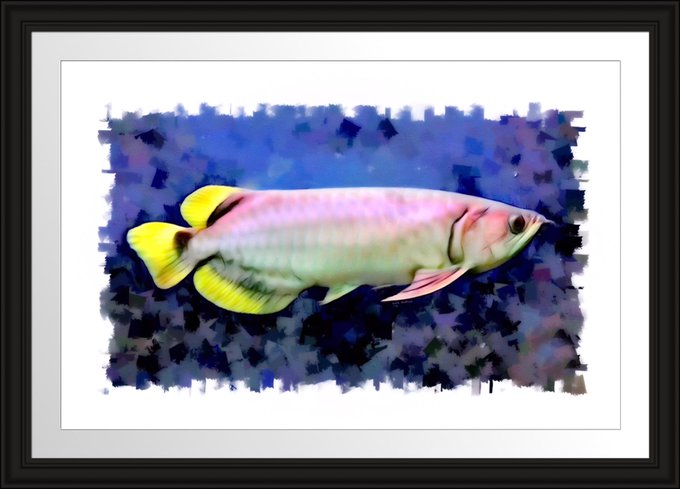

#art #aquarium #fish artwork by Scott Wallace https://t.co/ldZb5wMx7w
The Asian arowana comprises several phenotypic varieties of freshwater fish distributed geographically across Southeast Asia.

#art #aquarium #fish artwork by Scott Wallace https://t.co/ldZb5wMx7w
The Asian arowana comprises several phenotypic varieties of freshwater fish distributed geographically across Southeast Asia.


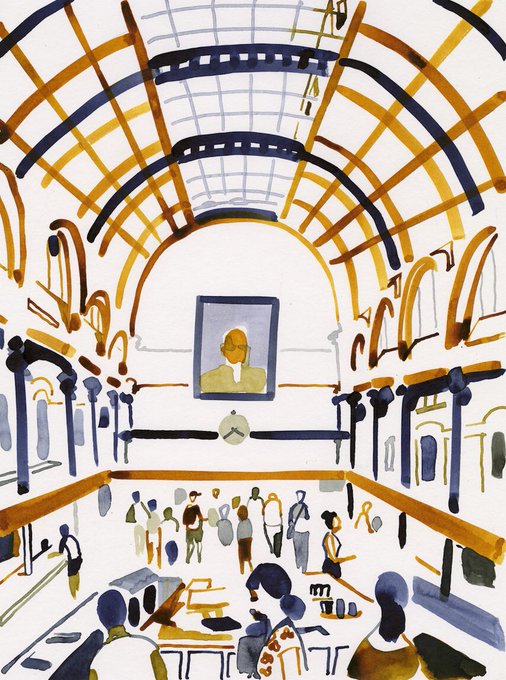

Some more ink drawings from my Mekong trip for National Geographic.
For the whole series: https://t.co/M9nwwOaYTg


A smattering of birds I drew a while back. All referenced from the National Geographic North American Bird Identification guide. #illustration #Practice #birds #traditionalart


Exploring #psychogeographical themes in a playful, accessible way with children in a community setting. Edinburgh-based artist Max Alexander developing #communityart projects from experience working in outreach. So, 'Who Framed the Pineapple?' https://t.co/UWCn3YHlzn

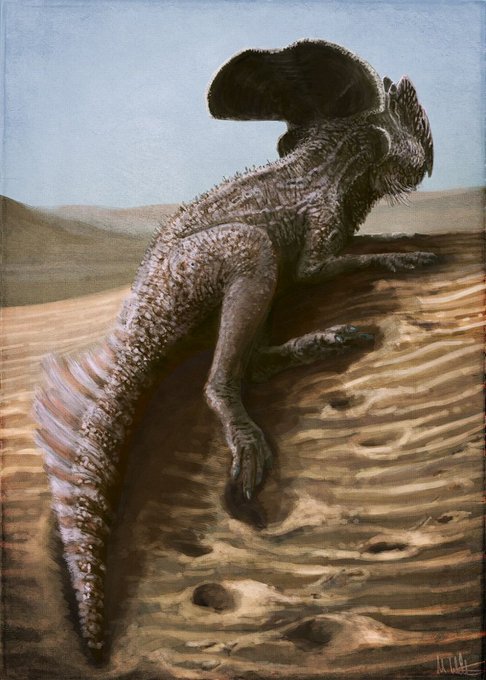

For #FossilFriday: #paleoart of Protoceratops. This animal is often said to be the inspiration for griffins: though a popular idea, it's not compelling on account of ignoring a lot of historic, anatomical and geographic data. For more details, check out: https://t.co/xTq4pElHVL

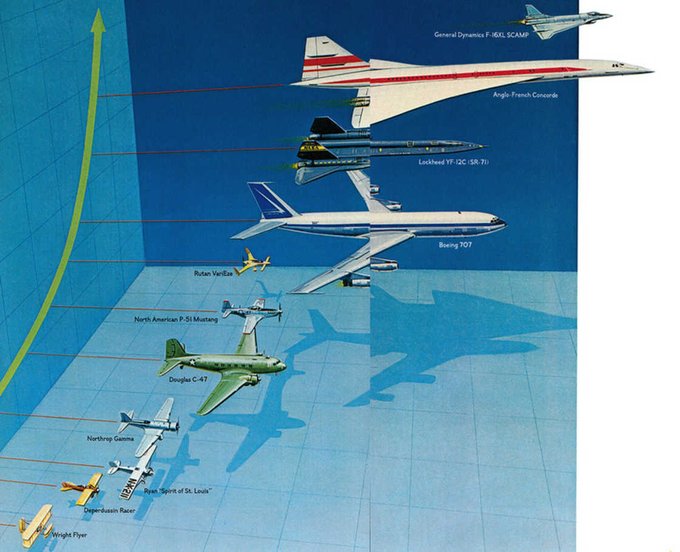
The most beautiful infographics from National Geographic (16 фото) - https://t.co/2tyeloe0tp


This fascinating 1799 world map is ringed with diagrams defining geographic features and astronomical phenomena!
Take a closer look here: https://t.co/mjALpcChjp


Dinosaur origins: new paper examines biogeographical impact of fossil discoveries and changing phylogenetic hypotheses over 20 years of research and concludes South Gondwana still most plausible location https://t.co/rVAQggQ8lP @Palaeo_Bham @ButlerLabBham @earth_wise

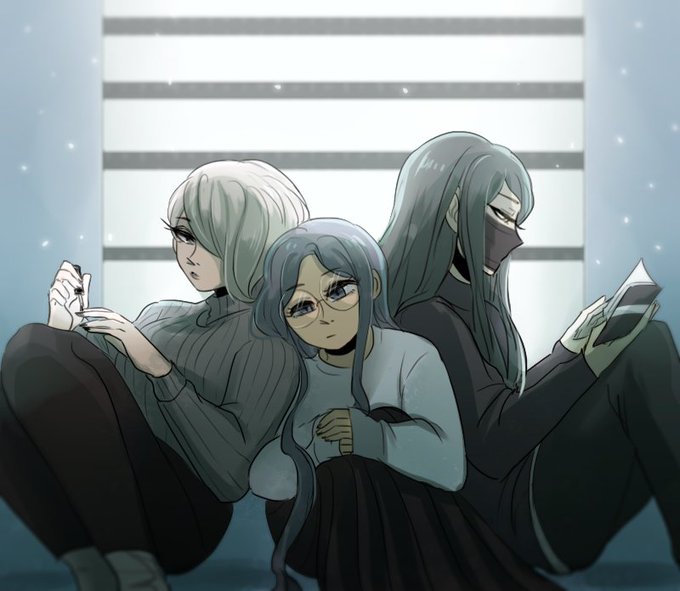


a group of snakes is called many things. a den. a nest. a knot. shirogane, shinguuji and toujou. a pit. a bed. rattlesnakes can be a coil or a rhumba. and on this episode of national geographic,


3/3 One of nicest pages in any Adoration scene accompanies Maerten de Vos's African king, although wearing American feather gear. We weren't too savvy about geographical fashions in 1599. @medievalpoc


National Geographic are doing such brilliant work, from concept to execution. The recent issues guest edited by Katie Piper and Tim Peake have just thrilled me. Beautiful things to hold in your hands.


On the easel today - NEW painting.
'Tintina Trench'
24x30"
oil on canvas
Tintina Trench is one of the defining geographical features of Yukon.
#Yukon #art #painting #landscape #pleinair
@Anishinabe_Life @CanadaReTweet


How email marketers are using data for personalisation:
Name—82%
Email behavior—56%
Purchase history—41%
Recency of engagement—41%
Demographic data—39%
Geographic data—37%
Lifecycle stage—29%
Web behavior—28%
Personas—16%
Contextual data—12%
https://t.co/88OfA2G8OD #emailgeeks