folkloreThursdayのTwitterイラスト検索結果。 3,685 件中 25ページ目


Raven may be credited as the creator of the world in Haida culture, but that's more accident than anything. Raven is a trickster, always up to mischief, and what happens with him is often less intentionally benevolent. #FolkloreThursday


At this time of year the soul stealer and sin eater will meet in the centre of #Newport at midnight; they play a game of chance for the immortal spirit of those that stumble by.
Who wants to hear a story of that encounter?
#IsleofWight #GothicAdvent #FolkloreThursday


#FolkloreThursday The Nutcracker & The Mouse King, a Christmas fairytale by ETA Hoffman, German fantasy writer of Gothic Horror, is a dark, disturbing tale in the tradition of folk tales told long ago. Its evil villain is the sinister, mutant 7 headed MouseKing.
🎨MauriceSendak


In Greek mythology, empusas are shape shifting beings with one copper leg and one leg of a goat. They take the form of beautiful young women who feed off the souls of men in order to become more powerful.
#FolkloreThursday
Art: Aleksandra Waliszewska


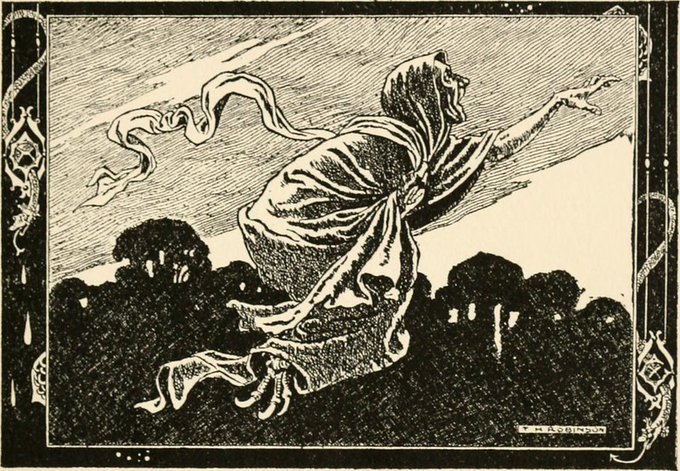
Churn-Milk Peg is a traditional British hag who sat in nut trees smoking her pipe and waiting for kids to come and pick unripe nuts. When a child reached for a nut she would pinch them and chide 'Smoke! smoke a wooden pipe! Getting nuts before they’re ripe!' #folklorethursday


Sinbad the Sailor is the protagonist of an ancient Middle-Eastern story cycle involving uncharted islands, sea monsters, giants, slave traders, hidden treasures, & other adventures. He's portrayed as clever, reckless, amoral, & ridiculously lucky. #FolkloreThursday


#Welsh #Mythology and #Storytelling: Telling the #Mabinogion by #HughLupton for #FolkloreThursday @crickcrackclub https://t.co/vWUvAvnfcb


#FolkloreThursday
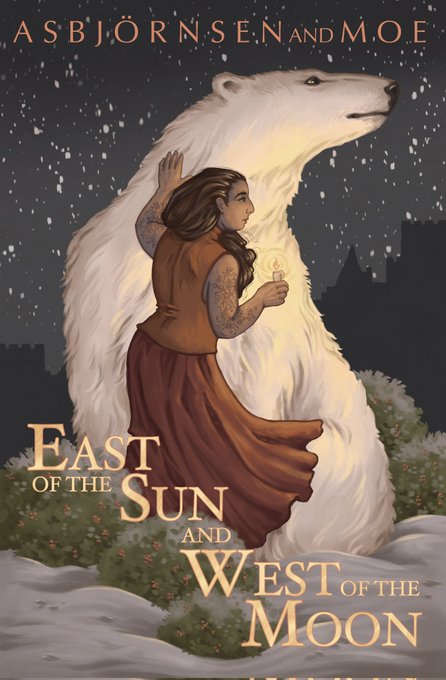
Frau Holle has power over the ice and snow in Germanic folklore, as well as a willingness to mete out reward and punishment. While East of the Sun and West of the Moon doesn't specifically mention snow (that I remember!), the girl travels through all weather.


#FolkloreThursday
In Kongo (DRC) folklore the Bisimbi bi Masa are water nymphs who live in the cold mainstream of rivers. Bisimbi are invisible but at nightfall and before dawn, they can they be seen rising from the water as faint mists.
🎨: https://t.co/mNgz1wT0tH

Hello there #FolkloreThursday ☃️
Huge thanks to @WillowWinsham for hosting before the break! I'm @ShanonSinn your last host of the day!
Today's theme is Folklore of Cold, Snow, and Ice. Get your toque and extra thick socks it's about to get chilly 🐧🐻❄️🌨️❄️
Rackham before 1913


Some sparkling, vintage editions of Hans Christian Andersen’s The Snow Queen for your day ❄️💙 #FolkloreThursday
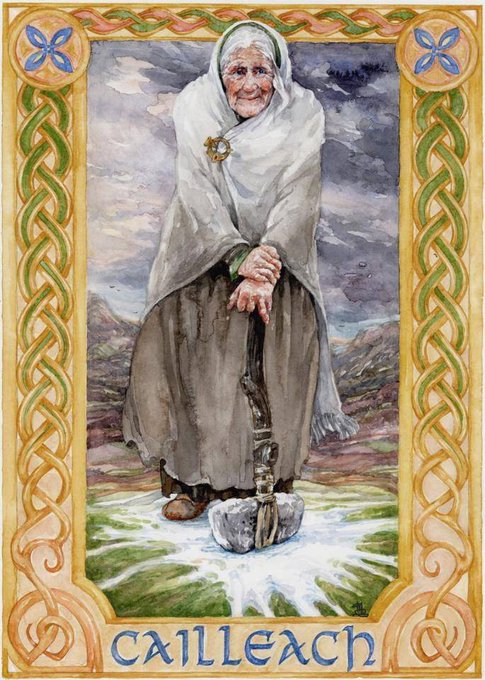
Winter is the Cailleach's, the first snow her cloak laid down. She travels the Gaelic Celtic world, often with her husband, the trickster Bodach, and their children. Often seen as cruel and harsh, she gives blessings and wisdom too, to those who are kind to her. #FolkloreThursday

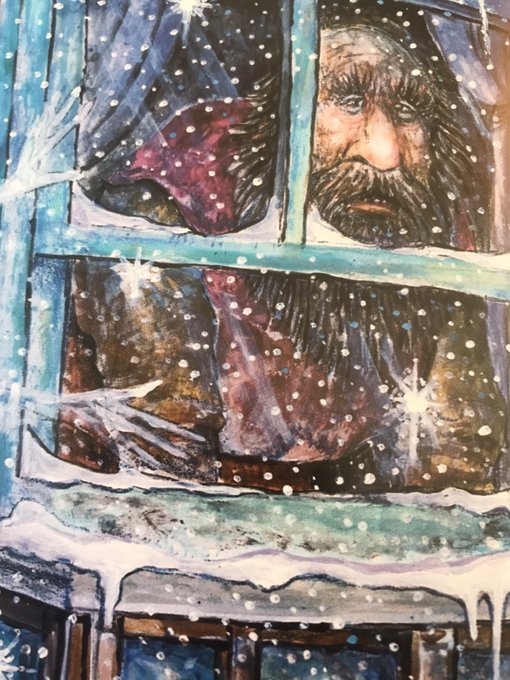
The giant’s selfishness brought Winter to his garden. Only Jack Frost played in the snow, he stayed through Spring and into Summer. Never had the giant felt so sad - only kindness could banish the cold. #Illustration Bill Bell. #FolkloreThursday #ice

Thank you #FolkloreThursday for all your chilly winter lore. This is @MythCrafts heading off to warm up, but the wonderful @WillowWinsham will be back with you all after the break.
Img: Snow Storm: Hannibal and his Army Crossing the Alps by JMW Turner


❄️🌱❄️Superstition warned against bringing snowdrops into a house, claiming that the flowers would summon bad luck, sickness or even death - but a brighter belief says that the very first one you see growing in Spring will grant you a wish.
#FolkloreThursday


The Russian tale Frost is quite shocking to modern readers, as it teaches girls obedience to father figures at all costs to ensure survival. Young Marfa lies & gives Frost the answer he wants to hear, & is thus spared from a freezing death. #FolkloreThursday Img: Rackham, 1916

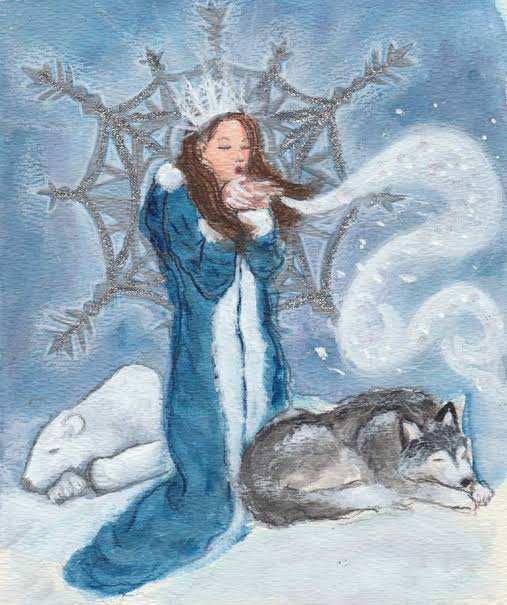
Chione was the goddess of snow in Greek mythology. She was a daughter of Boreas, god of the wintry north wind. She was also the consort of Poseidon, god of the sea, & mother of Eumolpus who she threw into the sea (it's ok, Poseidon rescued him)
#FolkloreThursday
🎨Jen Hallbrown


‘Bread and milk for breakfast,
And woollen frocks to wear,
And a crumb for robin redbreast,
On the cold days of the year.’
(✒️Christina Rossetti, 🎨Walter Crane) #folklorethursday #snow

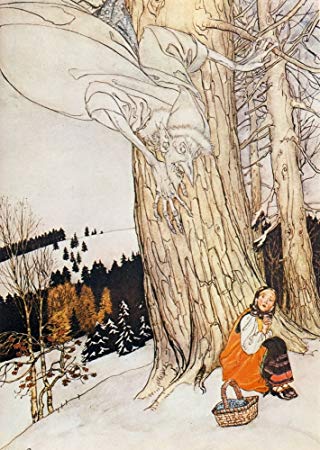
BEWARE JACK FROST This icy, hoary figure can be traced to a poem by C. Sangster in 1875. In 1902 he appeared in L. Frank Baum, author of the Wizard of Oz & is re-imagined by Rackham in Fairy Book 1916 & Wonder Book 1922 🎨Rackham; Ravenscroft #FolkloreThursday