specimensのTwitterイラスト検索結果。 583 件中 25ページ目


A caricature from Hans Christian Andersen's Little Ida's Flowers by Arthur Rachham (1867-1939) depicting a professor in a top hat talking to two thistles w/ human features. 🌿👜 He holds an open book & carries a green vasculum over his shoulders to store his botanical specimens.


Happy #histsci birthday to legendary naturalist Alfred Russel Wallace. He co-discovered evolution through natural selection during an 8-year journey through Southeast Asia, a trek that spanned over 14,000 miles and resulted in the collection of over 125,000 specimens. #OnThisDay


For #FirstDayQuack, The Natural History of the British Surface-feeding Ducks by John G. Millais.
A hunter, naturalist, artist & writer, Millais travelled extensively collecting specimens and recording the birds he observed. #InternationalSolicitedDuckPicDay #FirstDayBack 🦆

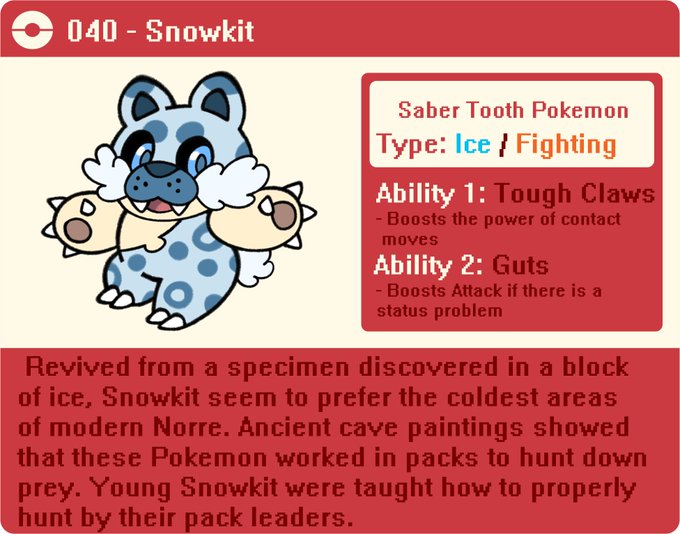


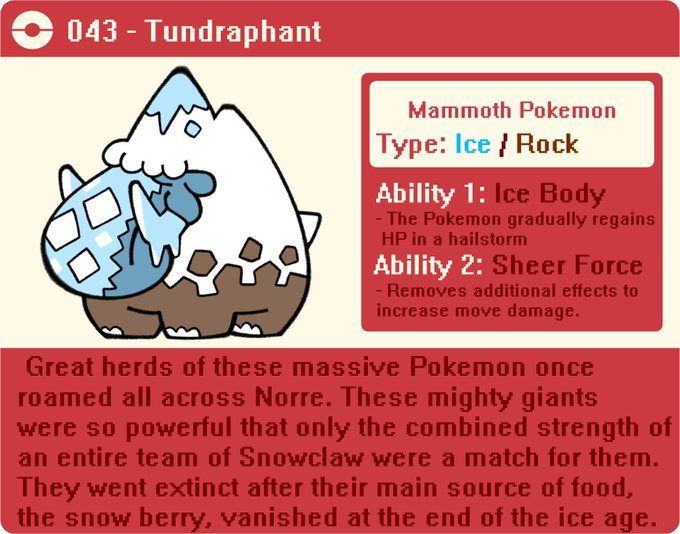
The Fossil Pokemon! They work a bit differently in this region; instead of being revived from a specimen encased in stone, the fossils in Norre are revived from specimens frozen in blocks of ice, making the part Ice type!
(Part of my Fakemon Dex Project!) https://t.co/9Li7kVZ7CI


#BornOnThisDay 'quinologist' John Eliot Howard (1807-1883) - expert in botany and chemistry of #cinchona, #quinine, government advisor and collector of many of @KewScience specimens. https://t.co/YSdzg7LMfk


Two slightly different spookulent specimens to add to the family! Find them both over at my Inprnt shop https://t.co/yPWDKl17MP Plus, get 10% off until Dec 1st with code AWVJX6 !!!! #inprnt
#horrorart #digitalart #artistsontwitter


I really enjoy revisiting specimens and making new, better looking images out of them. Here is Labidesthes sicculus, a brook silverside. Really neat #anatomy and, in my opinion, quite underappreciated. #SciArt #Science #Photography #PhotographyIsArt. https://t.co/U6VBjNkRmT


Remember legendary naturalist Alfred Russel Wallace #OnThisDay. Wallace co-discovered evolution through natural selection during an 8-year journey through Southeast Asia, a trek that spanned over 14,000 miles and resulted in the collection of over 125,000 specimens.


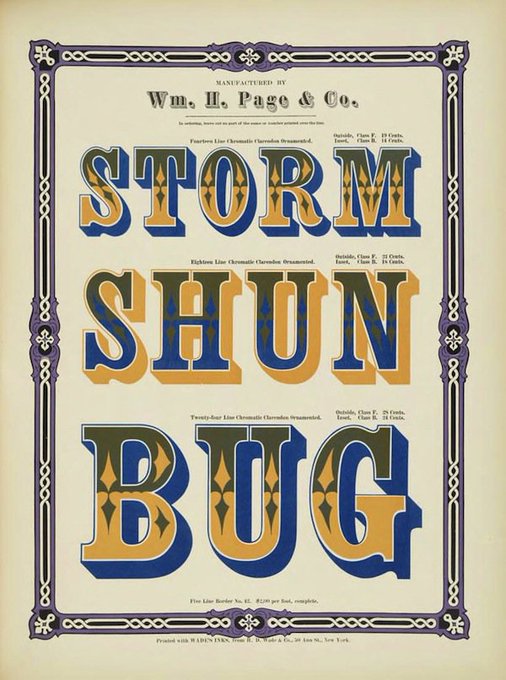
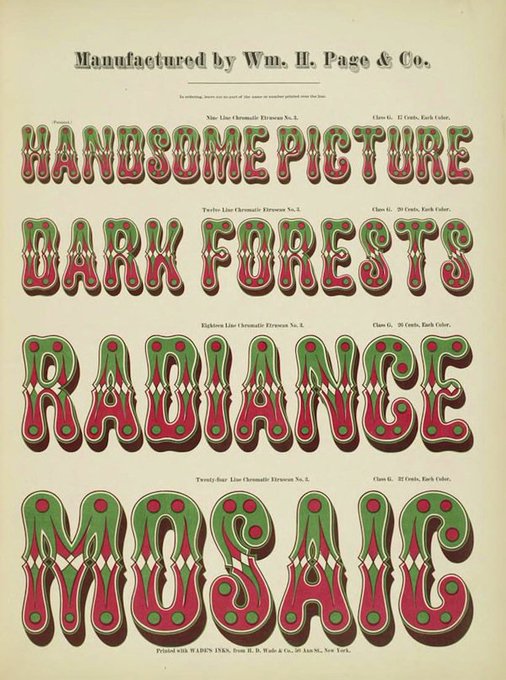

Select pages from Specimens of Chromatic Wood Type, Borders, Etc. (1874), a specimen book produced by the William H. Page wood type company. Chromatic types, which were made to print in two or more colours, were first produced as wood type by Edwin Allen. https://t.co/bU1QaHytmU


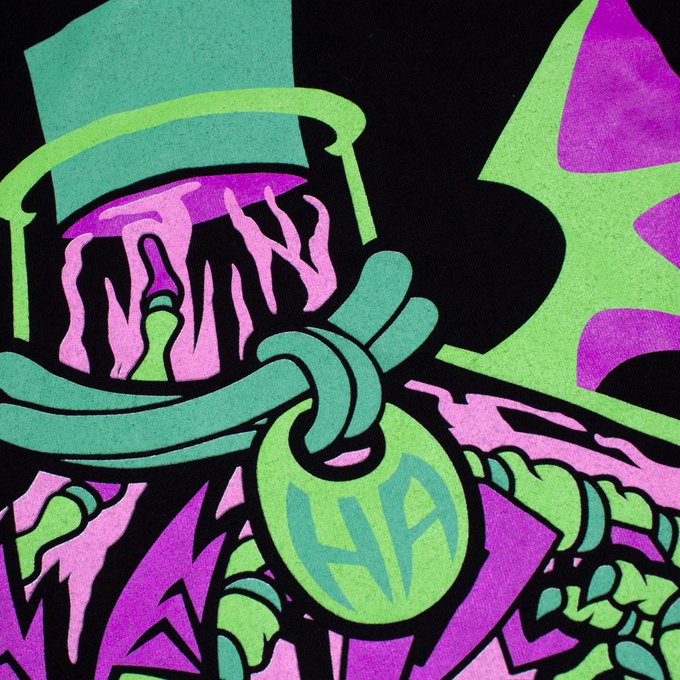

🐉🧪 We got some new Specimens jarred up and restocked! ⚗️🐉
https://t.co/vyh4lM2rfU

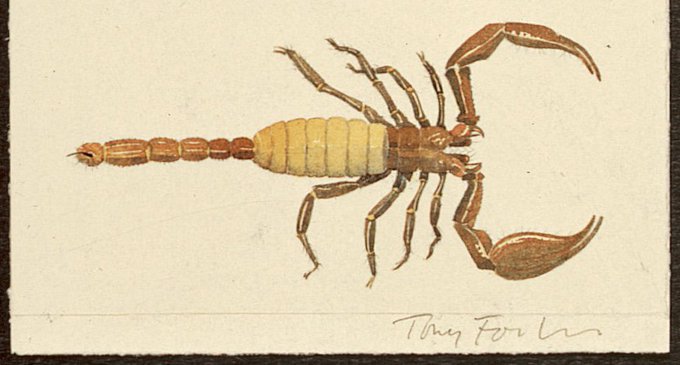
It’s #WildlifeWednesday!
🦂Tony Foster has painted many wildlife specimens throughout his artist-explorer career. This scorpion was painted as a souvenir in Monteverde, February 1992🦂
#wildlife #exploretocreate #Monteverde #scorpion #pleinair


I was very fortunate to draw three Puffin specimens at @museumwales this week. These beautiful birds are also known as sea parrots or clowns of the sea. #puffin #puffinsofinstagram #seabirds #birdsofinstagram #birds #wildlife #wildlifeart #wildlifeartist #cardiff #wales


J.D. Hooker's "Flora Antarctica", with #SciArt by Walter H. Fitch, describes specimens from the Ross expedition (1839–1843), which visited islands off the Antarctic continent's coast. Find it in #BHLib via @HarvardLibrary @MBLWHOILibrary @mobotgarden ➡️ https://t.co/p9fj9kTDZ3

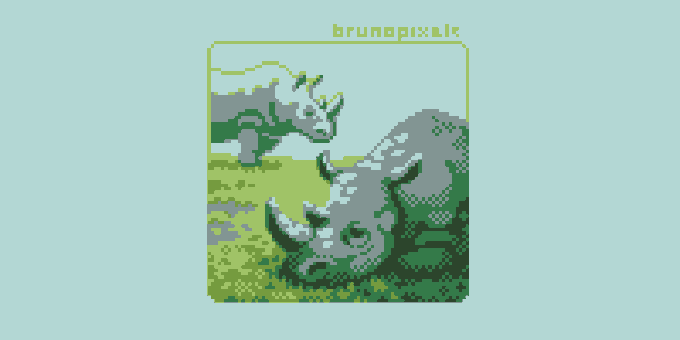


Not furry art, but heres some pixel art I did of my favorite specimens in my mineral collection :-) These are really fun and im definitely making more in between comms!


Our #inktober2019 prompt for day 6 is SPECIMEN! Show us your best study skins, formalin fixed specimens, skulls, etc.
#sciencefindsart #sciart


Today's #FossilFriday focus is the La Brea Tar Pits in Los Angeles, one of the richest fossil sites in the entire world. More than 3.5m specimens from over 600 species have been found here! 😮 So, why did so many animals meet their demise at #LaBrea & what can we learn from them?


Some work I did for the National Park Service/Geosciences Institute, fossil studies of some specimens found at the Rampant Cave-Grand Canyon.