folkloreのTwitterイラスト検索結果。 409ページ目


#FolkloreThursday
In some countries, including the Czech Republic, #pansies are called stepmothers. They are connected with love & infatuation, they are believed to heal broken hearts, they were used to foretell the future, and they were King Arthur's favourite flowers.


#FolkloreThursday In Turkey, the word for tulip is the same as the word for turban, and it is considered a charm against evil.
Art: Anastasija Kraineva

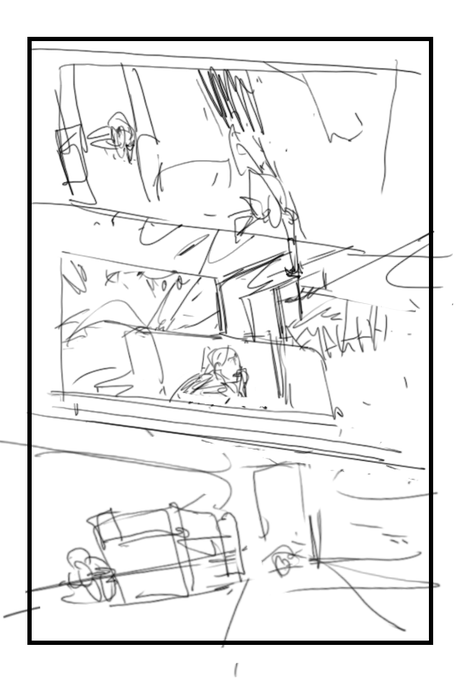
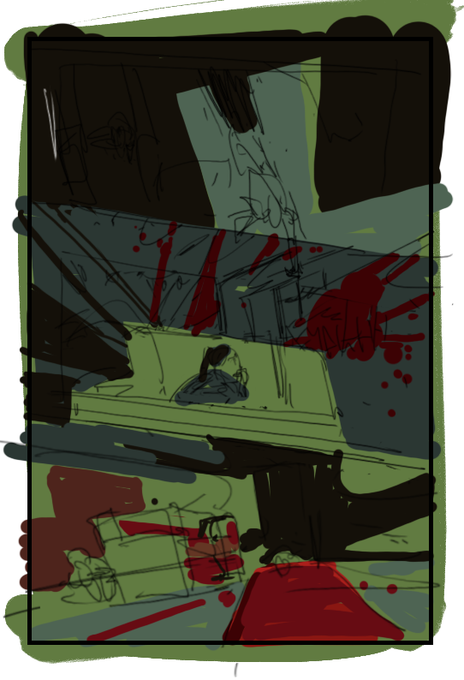

CW: Blood
Today's page. @FolkloreComic #folklore #hiveworks #webcomics #StartToFinish https://t.co/l9B5wHQSZG

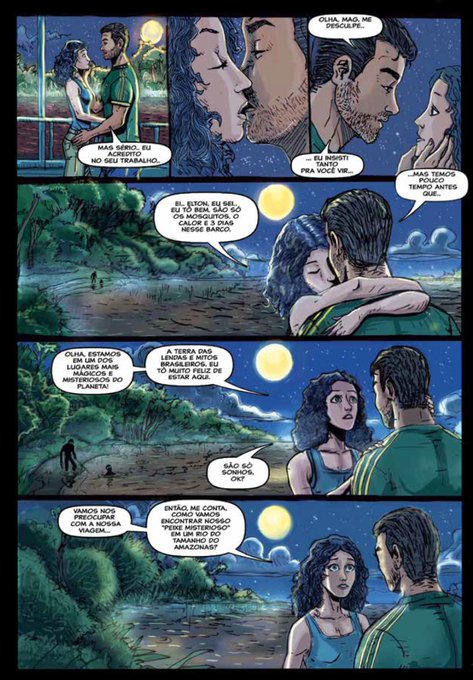
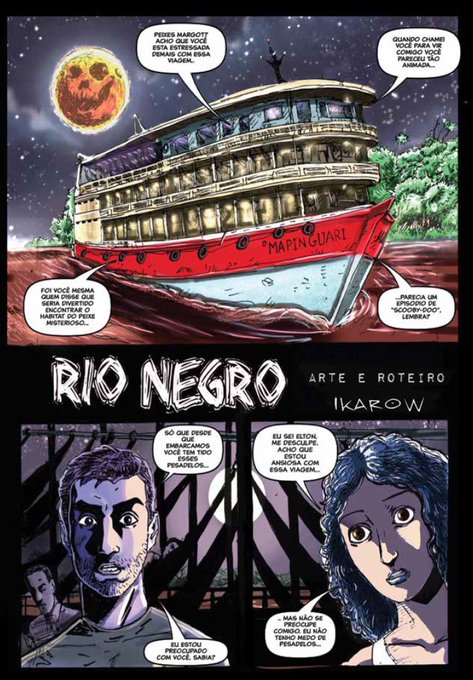
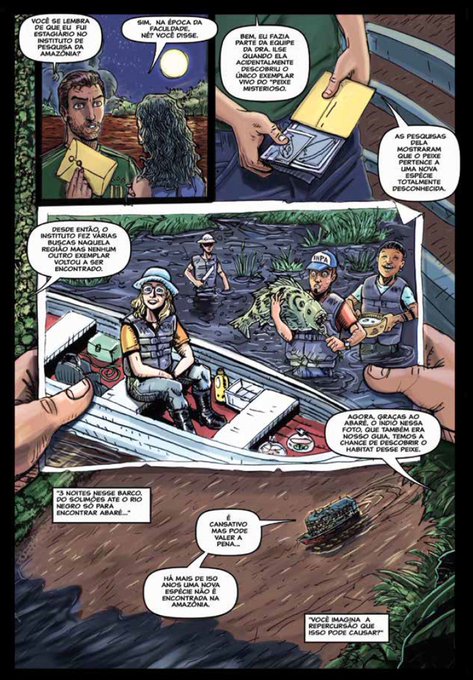
8 paginas de Rio Negro - O horror habita no coração da Amazônia, uma das recompensas da campanha CAÇADA A CAAMANHA agora no #catarse : *
*
1 https://t.co/Wxf8yfQc6r
#horror #comics #quadrinhos #quarentena #Lovecraft #folklore
▪


Next up for #AnimalAlphabets #MythicalAlphabet 2 is a folk singing Frost Giant.
@AnimalAlphabets
#folk #folkmusic #frostGiant #giant #loki #folklore


6 : So here's he is Momotaro, Dog, Monkey, The Pheasant and of course All Of Kibi Dango! 🙇🍑🍡🐕🐒🦜
#mumur1
#artwork
#manga
#anime
#digitalpainting
#digitalcoloring
#ilustrasi
#illustration
#characterdesign
#indonesia
#PaintoolSai
#pendrawing
#japanesefolklore
#momotaro


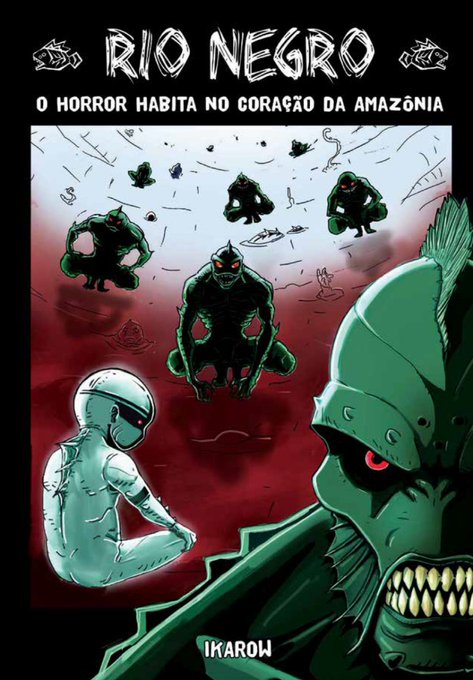
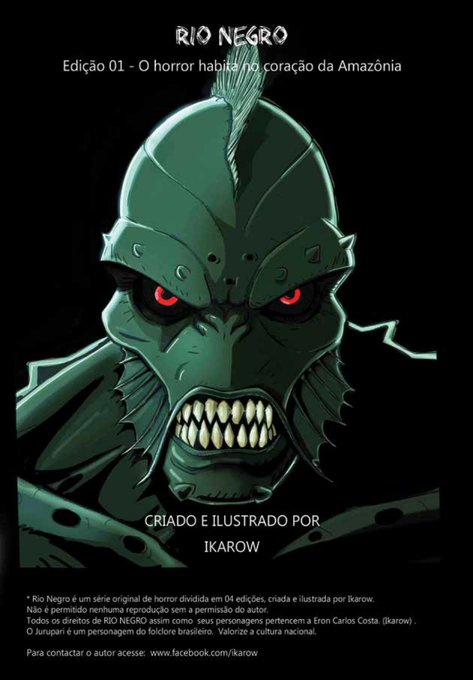
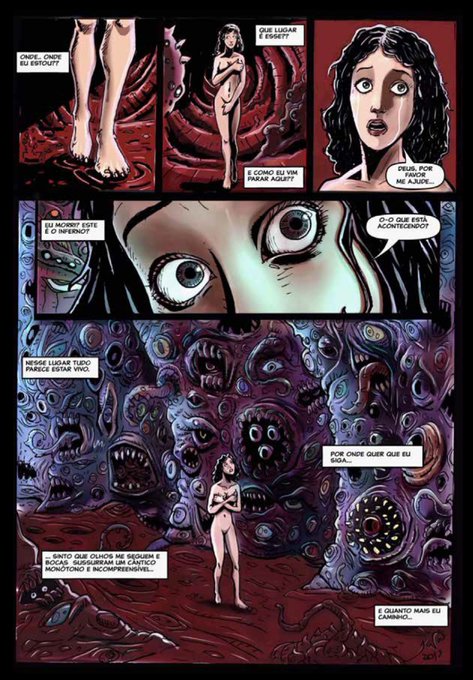
8 paginas de Rio Negro - O horror habita no coração da Amazônia, uma das recompensas da campanha CAÇADA A CAAMANHA agora no #catarse :
1) https://t.co/Wxf8yfQc6r
+
#horror #quadrinhos #quarentenaBrasil #Lovecraft2020 #ArtistOnTwitter #comics #folklore #Amazonas #RioNegro


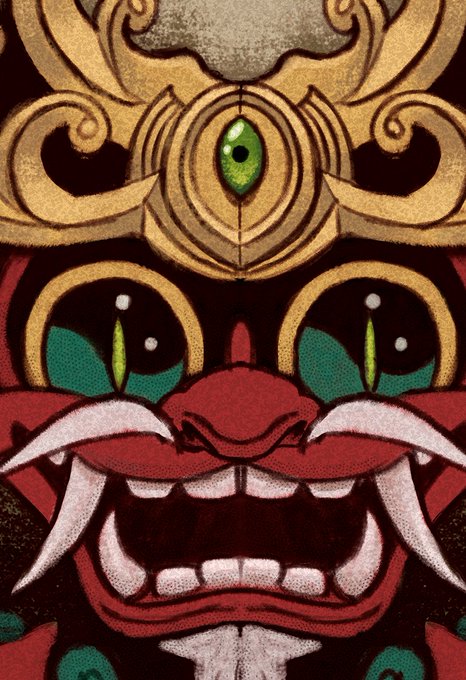

BARONG // My entry for #RENDERISHCONTEST @Jesperish I really liked the Japanese folklore vibe so I wanted to experiment with the illustration.


The Fabulous Folklore podcast goes on with its aim to entertain and educate even in difficult times (hope it's a good distraction!) About to post the bonus episode for Patreon supporters and it's about banshees! https://t.co/r1AXZje9Dy


People seem to like when I mix pop culture in with folklore and cultural history so here's a short look at what I thought were a few interesting points in the currently trending anime Kimetsu No Yaiba which, unlike most anime trends, actually lives up to the hype


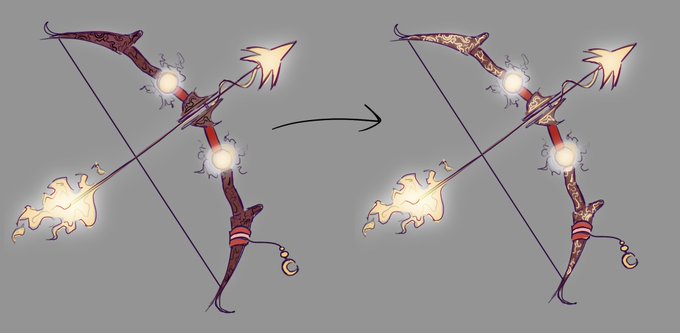
This is Hoseok’s now since he’s an archer like in the folklore- @qarameiio helped me designed it LMAO, the cravings on the bow lights up when he shoots his star arrows (WHICH CANDICE SAID IT COULD BE SHOOTING STARS TO MORTALS) and Jin has one moon earring.. Hoseok has the other


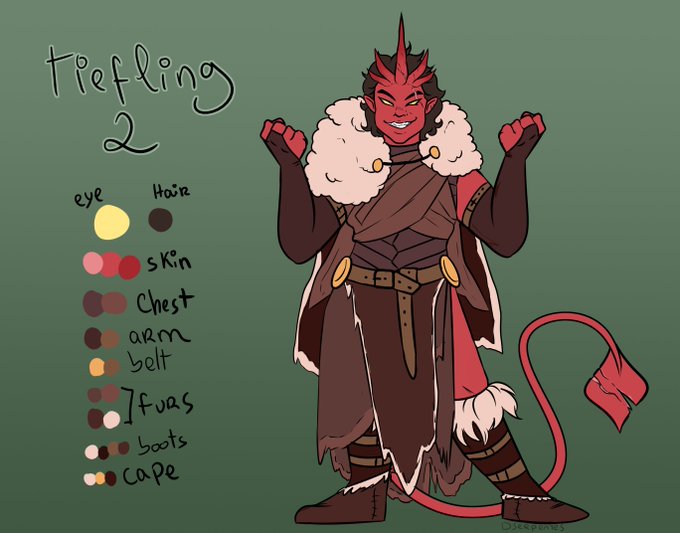


@RachelMcEwanArt I'm Mar! Illustrator and Animator from Portugal who loves working with my own Culture and Folklore Myths as well as I love Fantasy, Witches, Wolves and Werewolves✨✨
Lately I've been also D&D, Tangled the Series and The Arcana
🐺https://t.co/yWa84YzX9W Social Accounts


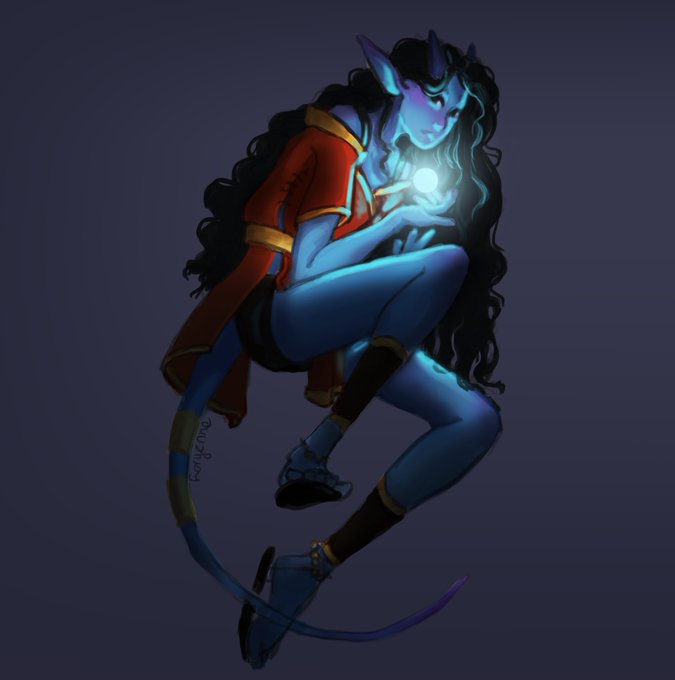
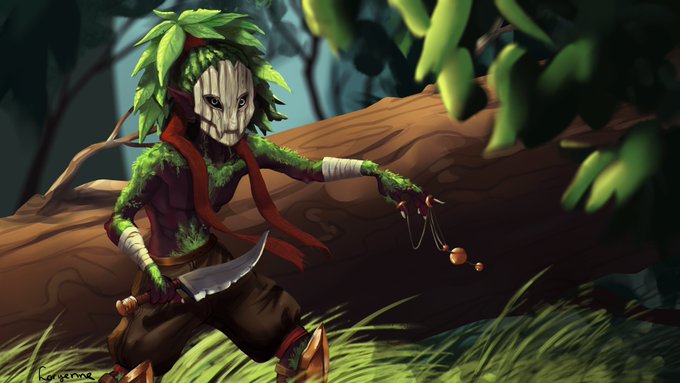
@itadaki_yasu hello, I hope I am doing this right, I am new to this art share thing. My name is Loryenne and I make fantasy, DnD and Folklore art. Alright, thanks for reading and looking at my drawings. Stay safe! <3

4 : Goodnight everyone! Well I introduce you, his name is Issun-bōshi! 🙇🌊🍜🌌🏃🤺
#mumur1
#issunboshi
#artwork
#manga
#anime
#digitalpainting
#digitalcoloring
#ilustrasi
#illustration
#characterdesign
#PaintoolSai
#pendrawing
#illustratorindo
#japanesefolklore


Good Morning
For all those who have already lost the notion of time in this other-self confinement, it is Saturday
Gamayun, prophetic bird of Slavic folklore She is said to spread divine messages and prophecies, she knows everything of all creation
Art by Oliver Ler Marinkoski


I #amWriting a trilogy of dark #fantasy, gothic #horror fairytales based on myth, legend & folklore; the 1st is out now #RoseBlood, & I'm working on the 2nd #MoonShade - also working on a Lovecraftian horror #noir series called #ALegacyOfDirt - FOLLOW ME! https://t.co/cCYEXKpcm7

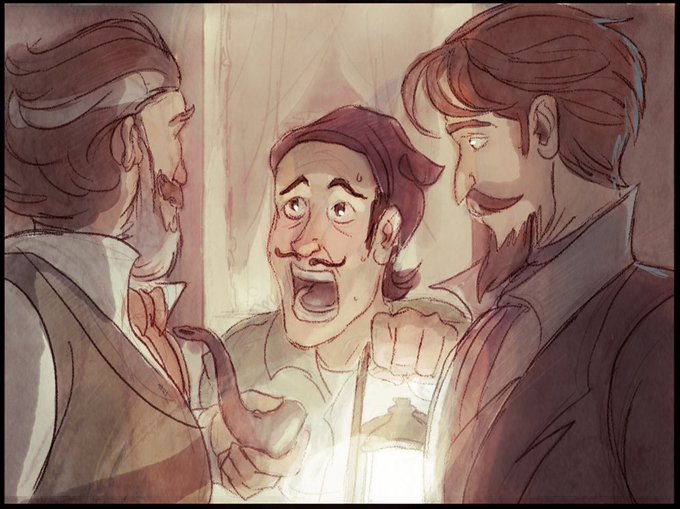

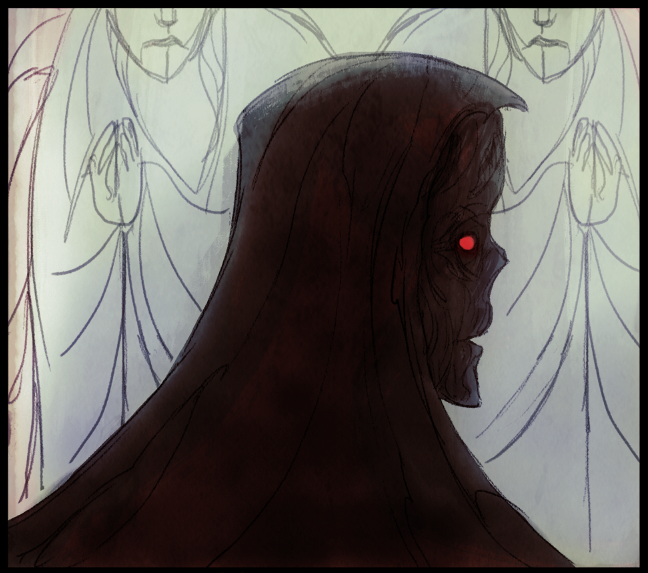
Oh, this seems like a good opportunity to share some artwork from one of those stories from Fantasmagoriana which inspired her -'Die Totenbraut' (or Death Bride) based on ancient European folklore. Here's a peak of my comic adaptation illustrated by the talented @CinemamindDavid


Something for myself! Experimented a bit! #Troll #fantasy #experiment #art #2d #painting #folklore #scandinavia #sweden #forest #primal #creative #Imagination #creature #character #ttrpg #rpg #dnd