
Brent Piniutaさんのイラストまとめ
@BPiniutaFollow @BPiniutaさんをフォローする
フォロー数:191 フォロワー数:1026


“A man should witness a battle in a three-decker from the middle deck, for it beggars all description: it bewilders the senses of sight and hearing”
Lewis Roatley, age 20, 2nd Marine Lieutenant aboard Victory at Trafalgar
Camperdown by W.A. Knell
National War Museum of Scotland


Each of the gunport lids on the Swedish warship Vasa (1628) were adorned with a lion’s head that would stare down the enemy when opened for battle
The lids were painted red and the lion head carvings gilded with gold leaf. Artefacts as recovered


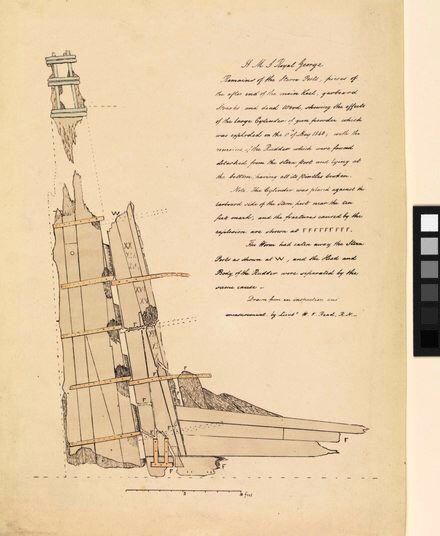

In the early 1840s Colonel Charles Pasley successfully cleared the wreck of the Royal George with explosives, which sank intact at Spithead in August 1782
Among the ship’s timbers recovered for salvage were sections of the sternpost & rudder, sketched in Portsmouth Dockyard
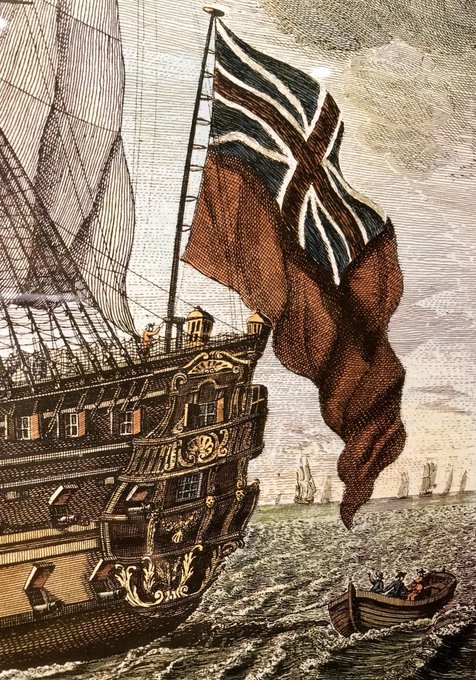


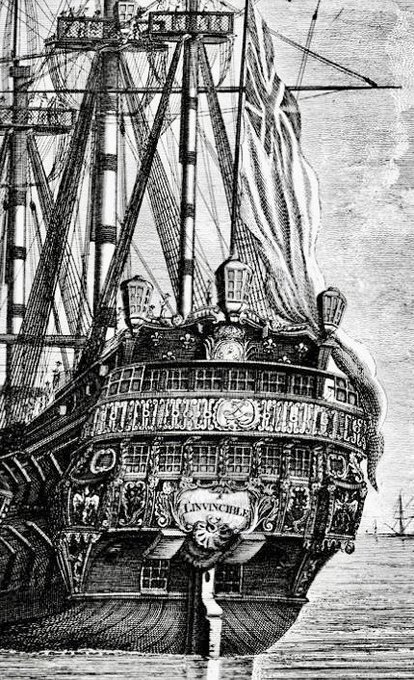
It’s fair to say the adornment & embellishment of ornamental carvings on English warships had peaked in the mid/late 17th century, being reduced significantly by Nelson’s era
The French, however, continued flourishing their ships well into the mid-18thC. L’Invincible from 1744

Friends:
TOPMASTS - quarterly newsletter of The Society for Nautical Research is hot off the press for February 2021 and is a free download for all:
https://t.co/wFs1L49SKY
Check out the article on “our” favourite British warship the Invincible (1758) written by yours truly!