NationalDietLibraryさんのイラストまとめ
@NDLJP_enFollow @NDLJP_enさんをフォローする
フォロー数:5 フォロワー数:8161


Let's enjoy watching the beautiful autumn #moon. #ndldigital https://t.co/iMO79DE4Yc
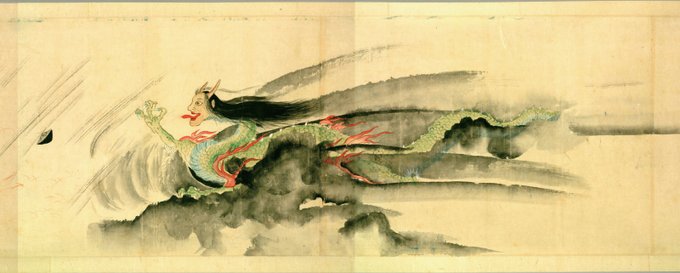


Learn about the history of Japanese picture books, from picture scrolls of yesteryear to modern children's books! #ndldigital https://t.co/BRvTt2kJIf


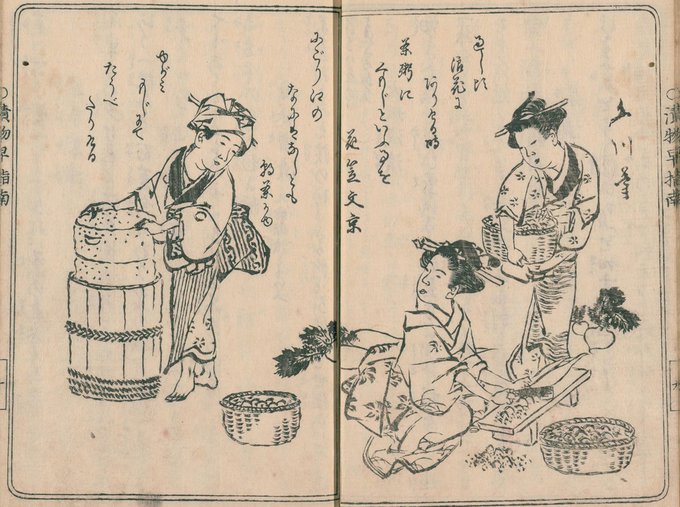
Have you ever tried #Tsukemono, Japanese pickled vegetables? This book, published in 1836, introduces how to pickle a variety of tsukemono with illustrations. https://t.co/gnKy1TflMy


Noguchi Yonejiro was a poet who published a number of works both in and outside of Japan. Learn more about his novel "The American Diary of a Japanese Girl by Miss Morning Glory."
https://t.co/jil8Jfs0GX


The Ogre's Arm (Rashomon). A story of a brave samurai fighting with an ogre. This is one of a series of translated #JapaneseFolktales. Published in 1889. #Chirimenbon #ndldigital https://t.co/eESFStMP3w

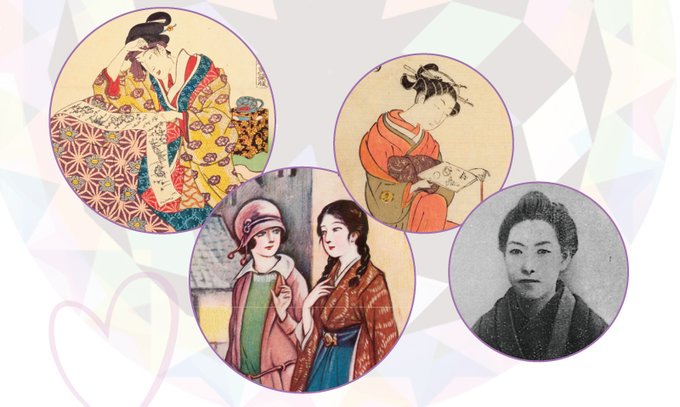
Expressing romance in words―the world of love letters
https://t.co/ZKCWdY8fH0 #ndldigital


Here are books on learning violin published at the end of the Meiji era. #ndldigital https://t.co/M6aGcmnVff

People in the Edo period often enjoyed shellfish gathering at low tide. Look at the colanders full of shells in the ladies' hands! https://t.co/IBp47p1grE

People in the Edo period had a habit of worshipping the moon on July 26. While waiting for the moon to rise at midnight, people gathered to enjoy drinking and eating. But this fun habit has vanished. July 26 of the lunar calendar is Sept. 2 this year. https://t.co/JCDzZ3bXPF


#Senjafuda, or shrine tags, are a kind of sticker with your name on them. People in the Edo period started to put them on buildings of shrines or temples to commemorate their visit. https://t.co/cm7uh9gwqi