
NationalDietLibraryさんのイラストまとめ
@NDLJP_enFollow @NDLJP_enさんをフォローする
フォロー数:5 フォロワー数:8161


Find lovely birds and flowers in Ikiutsushi shijuhachi taka, containing 48 woodblock prints. #ndldigital https://t.co/34nNgyabBd


See the sights of Tokyo in the 1880s, including Asakusa, Ginza, and Shinbashi. #InoueYasuji (1864-1889) was a printmaker famous for landscape painting. He was also known by another name, #Tankei. #ndldigital.
https://t.co/bN6DdN7Eg2

Why and how did an old Confucian scholar who was ordered to transfer to Edo obtain permission to take his wife with him? Read this article: https://t.co/xmIz09i1xA

The Japanese government widely promoted preventative measures like masks, gargling and vaccinations for the influenza pandemic around 1920.
#ndldigital https://t.co/WcIZB1LtIq

Japanese Gardens that have disappeared from Maps from the Ozawa Collection
https://t.co/QkJBNpY03P


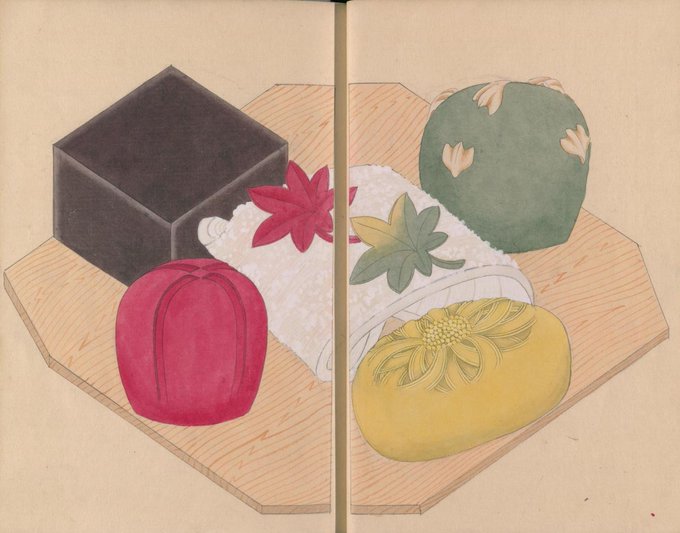
#Wagashi, Japanese confectionery, is used as gifts for weddings, ceremonies, farewells or souvenirs. These were drawn to show sample designs to customers in the 1880s. #ndldigital https://t.co/Zj9hRo1PDZ


Official documents convey how political power was handed over from the Kamakura shogun to regents: #ndldigital https://t.co/rmJ4t464Fi

An notable work of nishiki-e by Utagawa Toyokuni III, in which the Shichifukujin (seven lucky gods) are building a large structure in the shape of the Chinese character 壽, which stands for felicitations: #ndldigital https://t.co/FFsGwX0oWS


You can see the unique appearance of peddlers and entertainers who came and went in #Edo, with a book written by a famous author in the Edo period #KyokuteiBakin. #ndldigital https://t.co/byeyaZMcsx

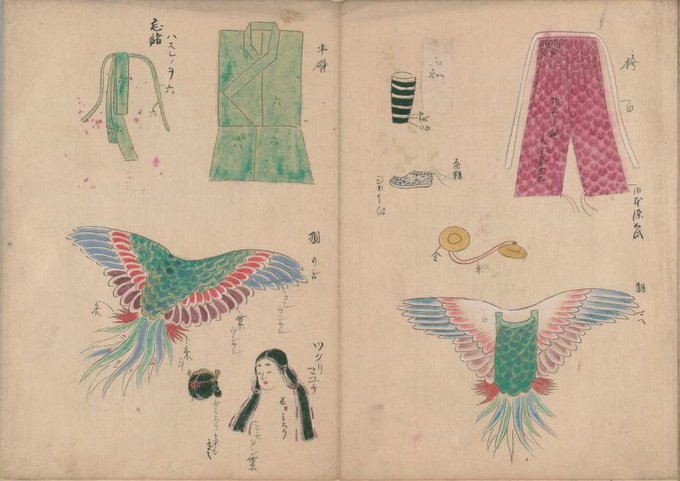


Have you ever heard of a dance called Bugaku? It is a dance accompanied by music that was introduced to Japan from China and Korea during the Nara and Heian period. Take a look at the colorful costumes of Bugaku! #ndldigital
https://t.co/8Nxaouer6z