
Naida | Inscendenceさんのイラストまとめ
@OInscendenceFollow @OInscendenceさんをフォローする
Sea-begotten, naked,
Open the glorious gates of man
So that freedom may blow from all directions.
フォロー数:1046 フォロワー数:28338


The destructive feminine appears in many forms - as Artemis, Diana, Lilith, even Eve. Buddhist & Hindu Tantra
especially loves destructive goddesses & dakinis like Kali, Bhairavi, Vajrayogini, and others.

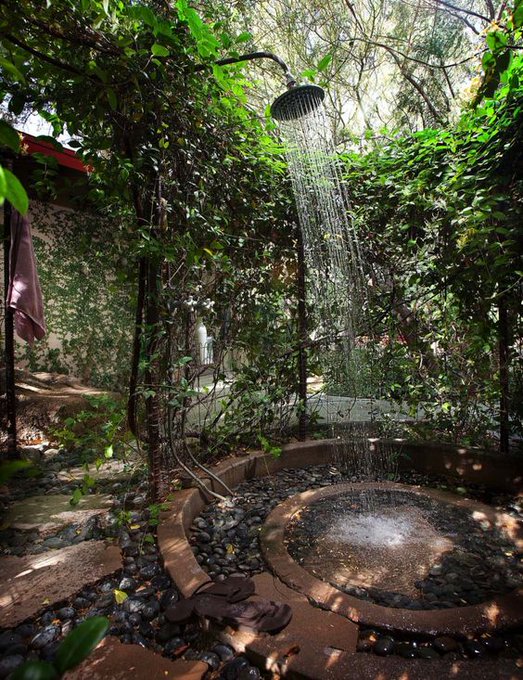

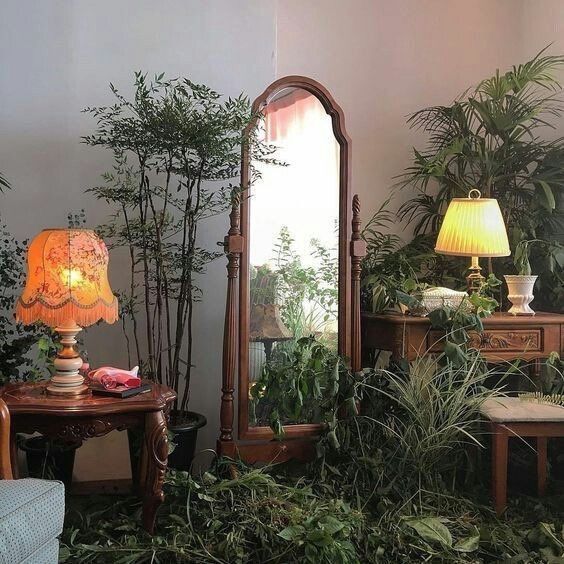
"You are the dwelling-place of the blessed gods and the strong support of mankind."
- Orphic Hymn to Hestia
Hestia is a virgin goddess of hearth, family, home, and state. As an archetype, she is embodiment of the inner flame, emotional balance, mysticism, calm & transcendence.


Male Beauty in Western Art
1. "Fallen Angel", Alexandre Cabanel (1823 - 1889), French
2. “The Vision of Jacob", Jacques Réattu (1760 - 1833), French
3. “Saint Hippolytus", Simon Julien (1735 - 1800), French
4. “The Death of Adonis", Peter Paul Rubens (1577 - 1640), Flemish
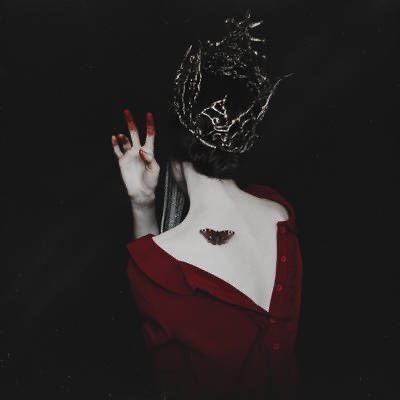
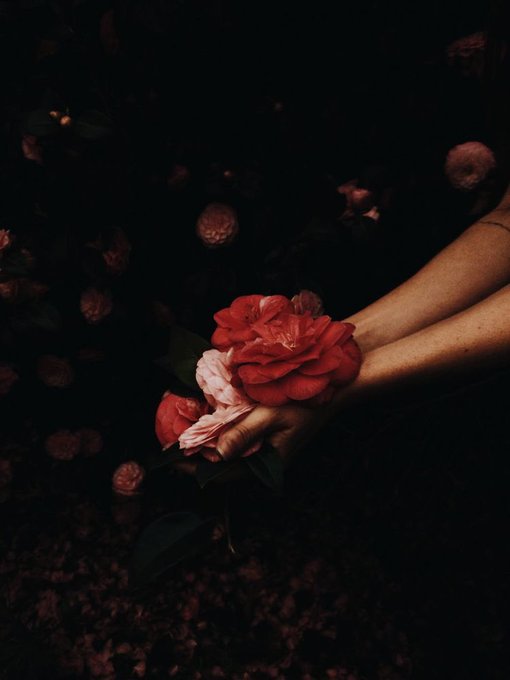
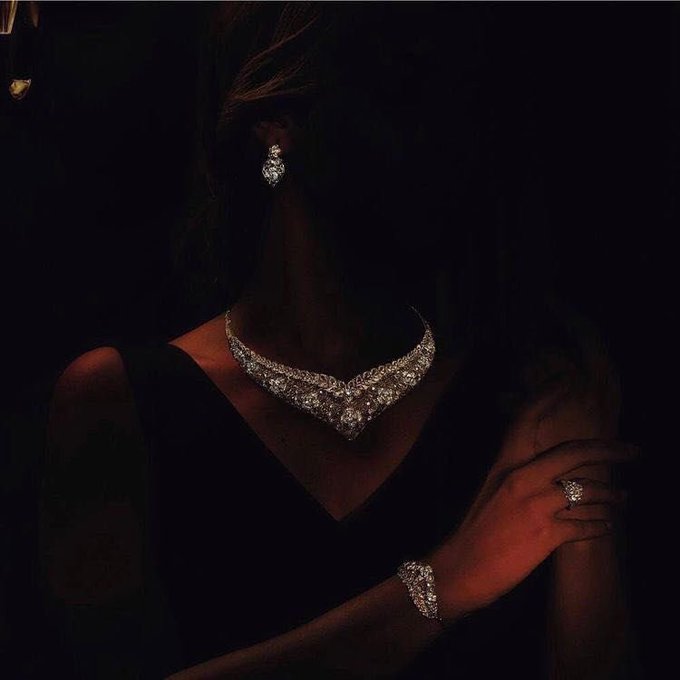

“Persephone divine, come, blessed queen, and to these rites incline: only-befotten, Plouton's honoured wife, O venerable Goddess, source of life.”
- Orphic Hymn to Persephone
Persephone as the Queen is the archetype of subconscious, the unknown, the death & the underworld.
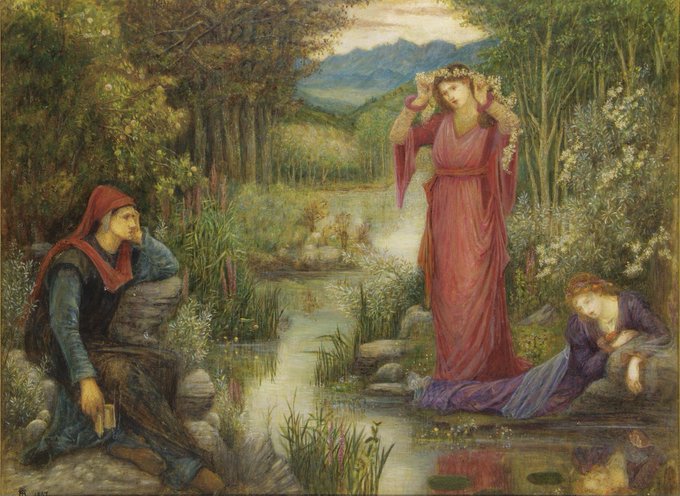
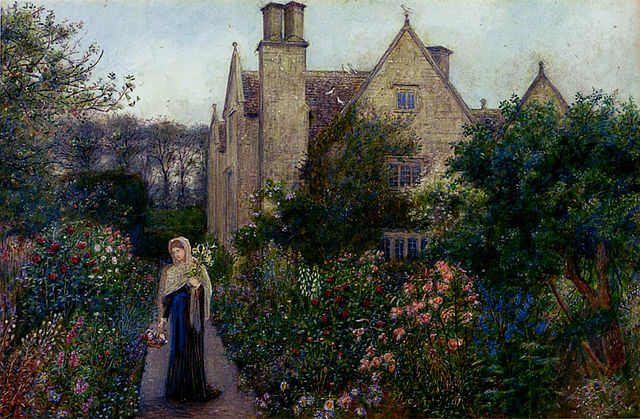

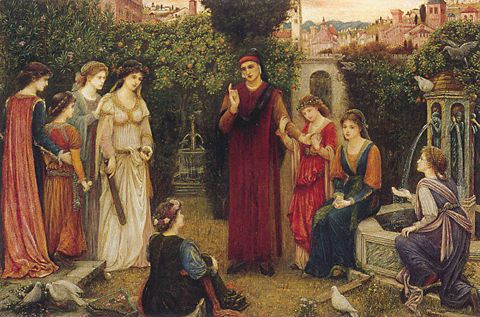
Art of Marie Spartali Stillman (1844 - 1927), British painter of the second generation of Pre-Raphaelites.
Marie Spartali was of Greek origin - her father was a wealthy merchant, principal of the firm Spartali & Co, and a Greek consul. Her mother was a Greek from Genoa.


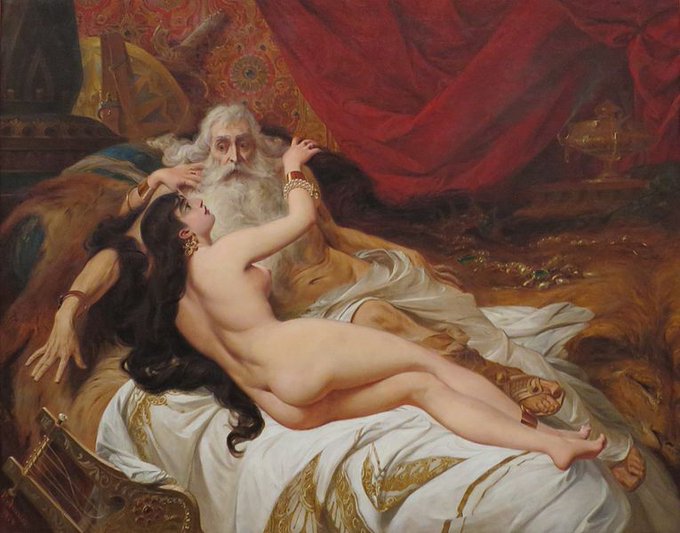

Art of Pedro Américo (1843 - 1905), Brazilian painter, novelist, poet, scientist, art theorist, essayist, philosopher, politician and professor.


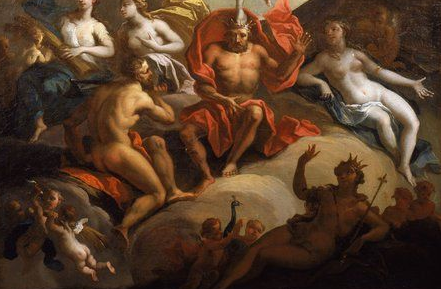
"An Allegory of Apollo and Minerva as Wisdom and the Arts", James Thornhill (1675 - 1734), English


Αθάνατη Αφροδίτη του Διός κόρη,
όλο παγίδες στήνεις της αγάπης.


"The Angel Binding Satan", Philip James de Loutherbourg (1740 – 1812), French-born British