RCSEd Library & Archiveさんのイラストまとめ
@RCSEdArchiveFollow @RCSEdArchiveさんをフォローする
フォロー数:1120 フォロワー数:10912


Pages from a student notebook from the anatomy and surgery lectures (c.1801) of Edinburgh Professors of #Anatomy Alexander Monro Secundus and his son Tertius. We've had this digitised and will be putting the full notebook online , as well as more collections!

Depiction of a 17th century caesarean operation, a time before obstetrics was a recognised speciality. From ‘Armamentarium Chirurgicum' (1655) by Johannes Scultetus. Don't forget tomorrow is #InternationalDayoftheMidwife

Edinburgh surgeon-artist Charles Bell d. #OTD 1842. His 'Illustrations of the Great Operations of Surgery' (1821) was intended to arm the surgeon with professional advantage so ‘that he may not go groping his way". We were delighted to acquire his family archive last year


For #FungiFriday - Amanita Muscaria illustrations in a C19th medical botany text, noted as the "most active of vegetable poisons...abundant in the Highlands of Scotland". Also known for inducing strong psychedelic effects when consumed. #SciArt


'Sunday in Scotland' and 'Sunday in England': watercolours by 19th century Scottish anatomist, surgeon & artist Charles Bell. From the Bell family archive.


Views of the brain in Andrew Fyfe’s ‘#Anatomy of the Human Body’, 1814. Often overlooked, Fyfe assisted Alexander Monro secundus with dissections, & while an exceptional anatomist & illustrator, was described by Sir Astley Cooper as “a horrid lecturer”

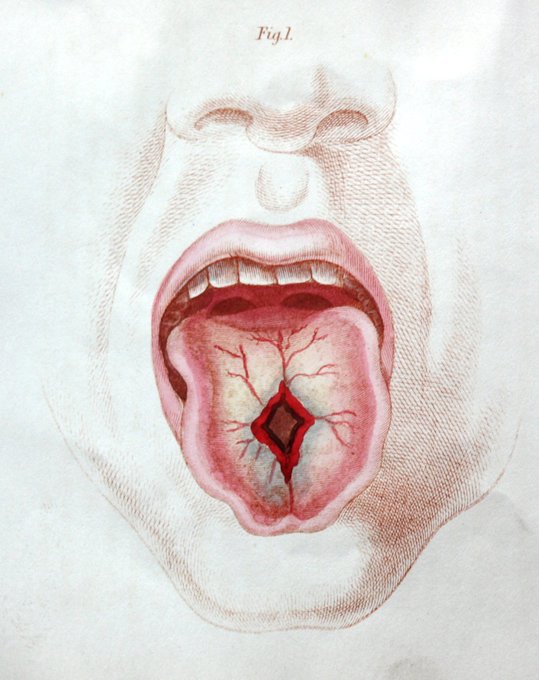
On #WorldNoTobaccoDay a warning from the 19th century on tobacco’s harmful effects by Scottish surgeon-anatomist John Lizars #histmed


Plates from C18th Scottish man-midwife William Smellie's 'Theory and Practice of Midwifery' (1752) on #InternationalDayOfTheMidwife #IDM2017


It's #NoSmokingDay tomorrow! An early warning from the C19th on tobacco’s harmful effects by Scottish surgeon-anatomist John Lizars #histmed