
Michael Englishさんのイラストまとめ
@ScienceSkinkFollow @ScienceSkinkさんをフォローする
he/him
フォロー数:408 フォロワー数:870


A Himalayan vulture (Gyps himalayensis). This is the largest of the Gyps vultures and possibly the largest bird in the Himalayas!
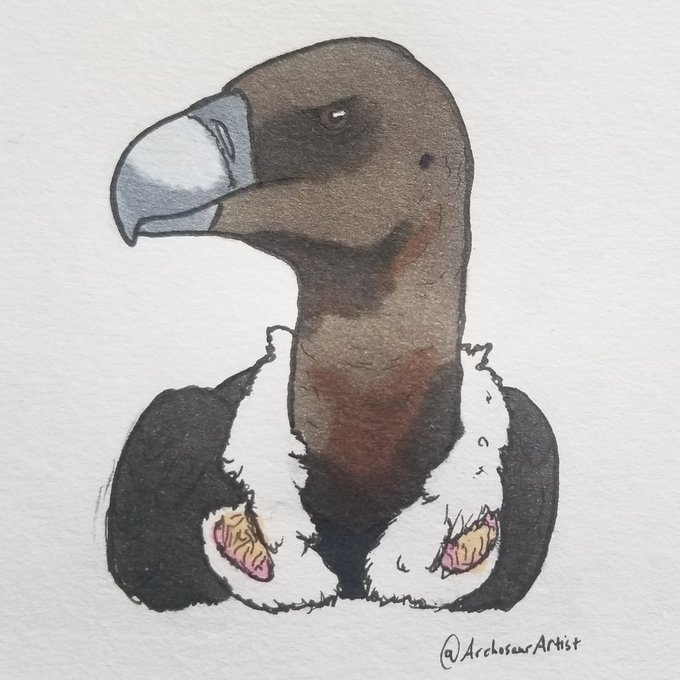
The white-rumped vulture (Gyps bengalensis) is a critically endangered species from South and Southeast Asia. This species was once conducted the most abundant large bird of prey in the world, in 2017 the global population was estimated to be less than 10,000 adults.

The black vulture (Coragyps atratus) is a new world vulture. Like other new world vultures they urinate on their legs to regulate their body temperature (this is called urohidrosis).
#blackvulture #copicmarkers

The latest in my vulture series, a red-headed vulture (Sarcogyps calvus).
This is a critically endangered species from India and parts of Southeast Asia.
I'm really enjoying going through the species, any suggestions for what I should do when I've done all the vultures? 😊
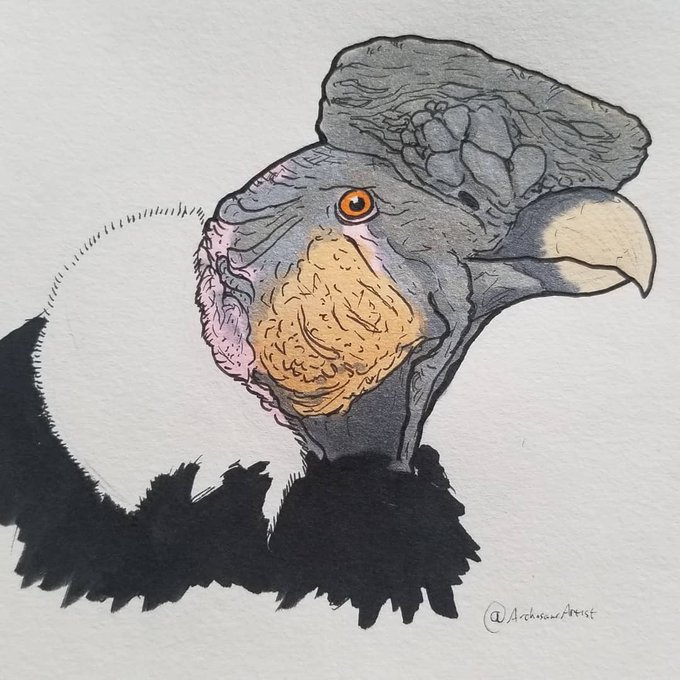
@LWhittierArt They're fantastic animals, but obsessed with them tbh 😅 I'm Archosaurartist on Instagram and Facebook

Continuing with the vulture series with a palm-nut vulture (Gypohierax angolensis). These vultures have a rather unusual diet compared to other raptors, they've been observed eating palm fruit, crabs, fish, small reptiles and amphibians, as well as carrion!
#vulture #copicmarkers
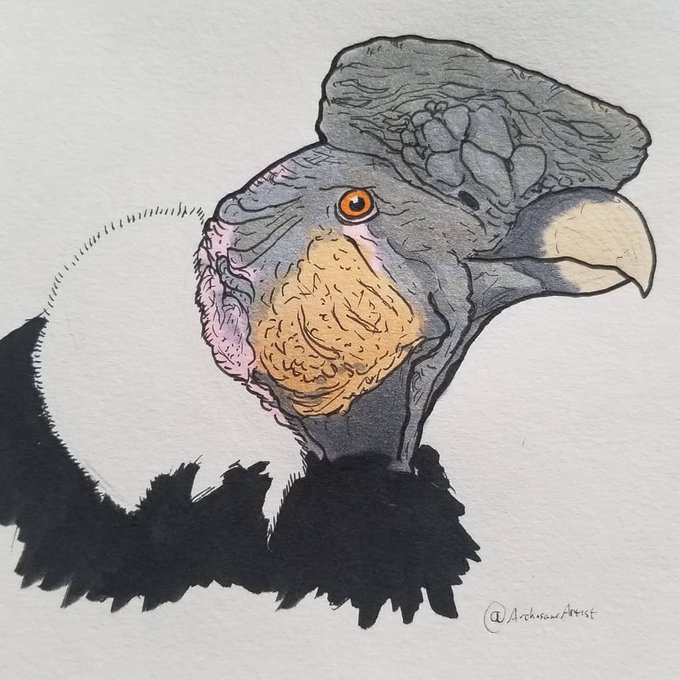

Andean condors (Vultur gryphus) are among the largest flying birds today. They're also the only vultures that are sexually dimorphic, males having a fleshy comb like a cockerel.
#andeancondor #copicmarkers #vulture

Decided to draw Pterodaustro, this filter feeding pterosaur modified its teeth into long slender pegs to strain small crustaceans from the water.


Today is #internationalvultureawarenessday, and I decided to draw a king vulture to break in my new copics! These vultures from Central and South America are not closely related to the old world vultures, in fact their similarities are fine example of convergent evolution.