Junさんのイラストまとめ
@ni075Follow @ni075さんをフォローする
詳細/Details:twpf.jp/ni075
フォロー数:4177 フォロワー数:6085

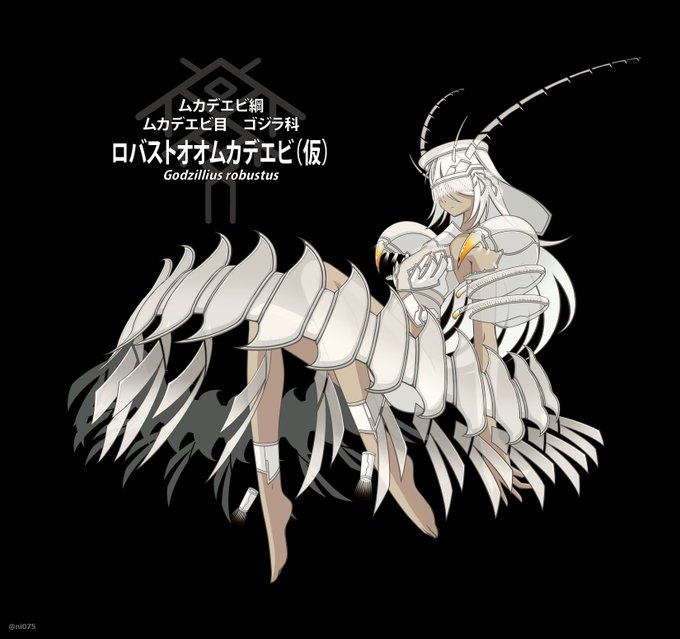


Remipedes (Remipedia) are blind, hermaphroditic crustaceans that restricted by underwater cave system. They are unusual for crustaceans in many ways, as they bore venom fangs, undivided trunk region, and genes which suggest that they are closely related to insects.
#Arthrogirls


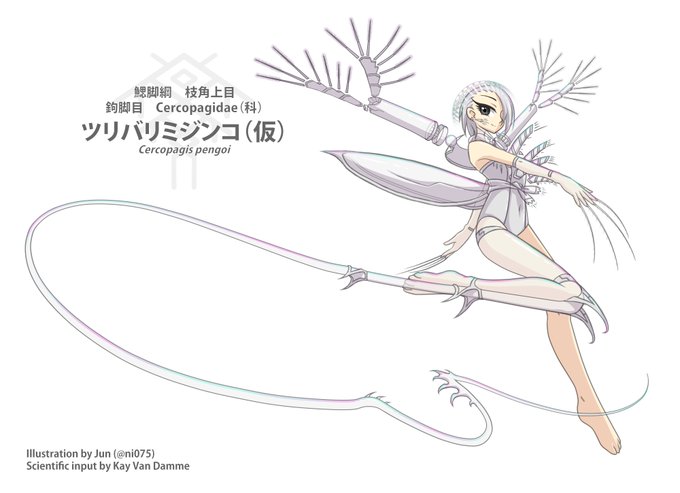
Whip spiders (Amblypygi) are not but one of the close relatives of spiders, characterized by raptorial pedipalps and whip-like sensory legs. Contrary to their agility in predation, they are usually mild-tempered, with some species are even known to live in groups.
#Arthrogirls
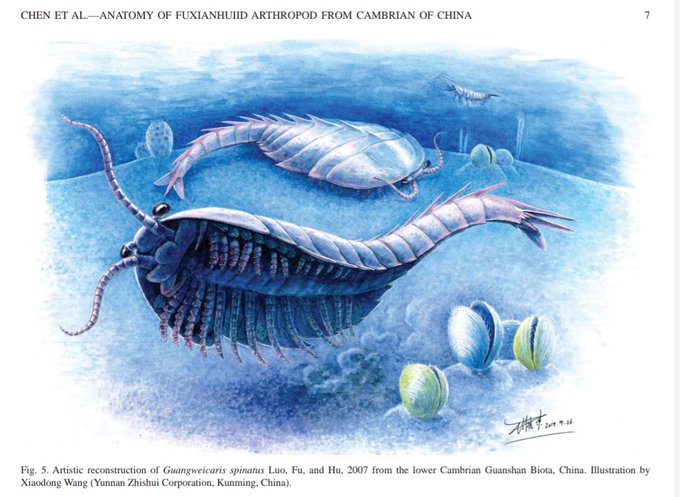

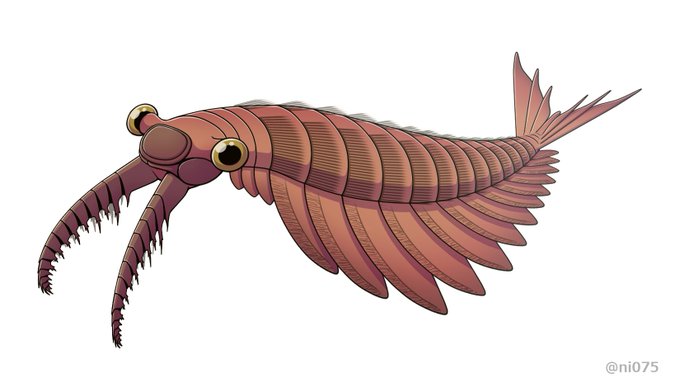
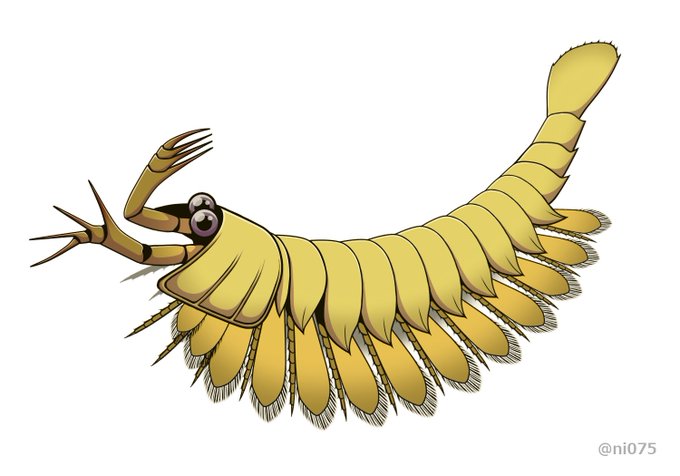
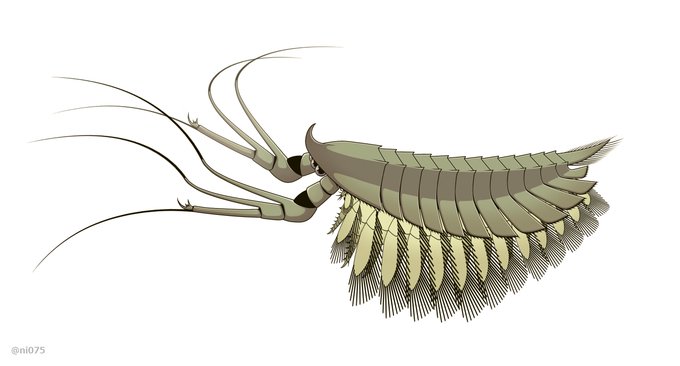
@kg_ssr @satoshikawasaki Wikipediaの内容およびイラストを務めた者ですが、側面と正面をも含めると甲皮の配置はこんな風になると思われます。
口は前部付属肢の後ろにあるので、背側の甲皮とはかけ離れています。
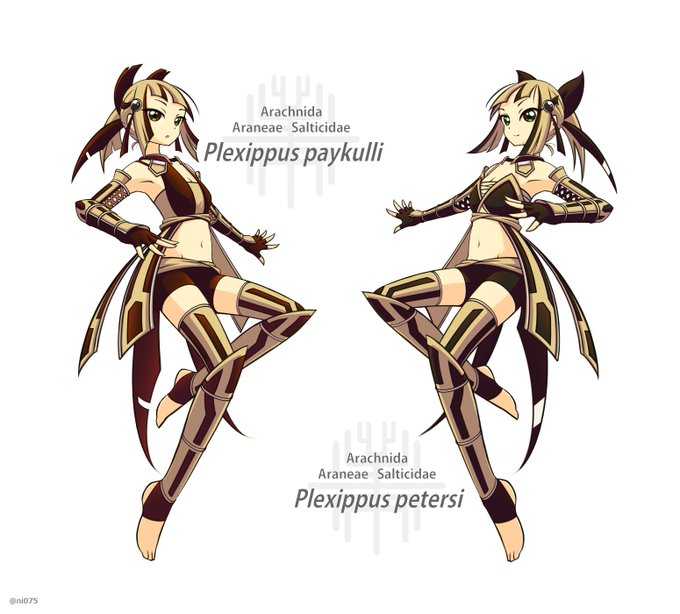
Jumping spiders (Salticidae) are a speciose group of agile, free-living spiders that possess excellent eyesight for searching prey and courtship display. They can jump in an instant, but these are powered by the pressure of body fluid intsead of specialized muscles.
#Arthrogirls
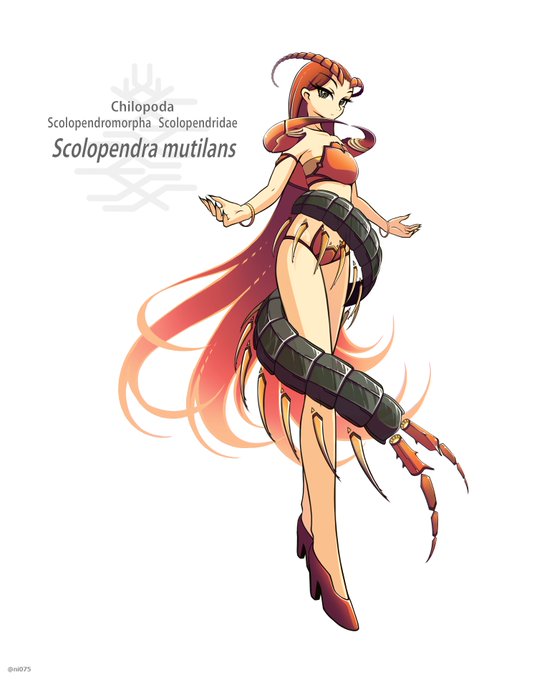
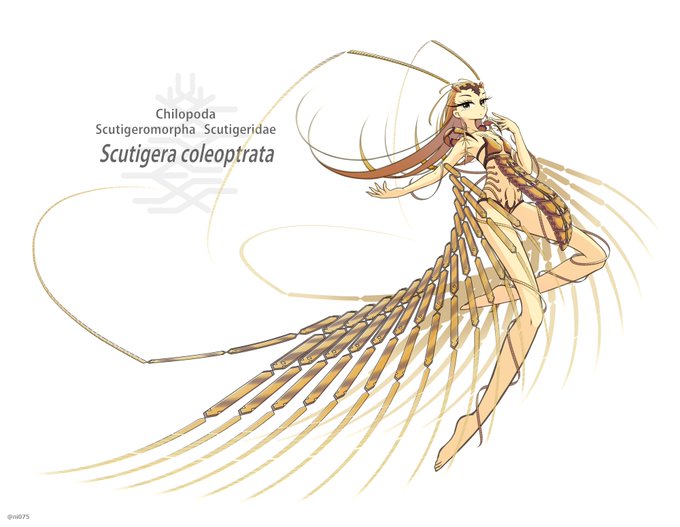
Centipedes (Chilopoda) are predatory myriapods exist for more than 400 million years, united by a pair of venomous fangs which are in fact specialized front limbs. Contrary to their name which mean 'hundred-legged', they usually only have odd numbers for leg pairs.
#Arthrogirls

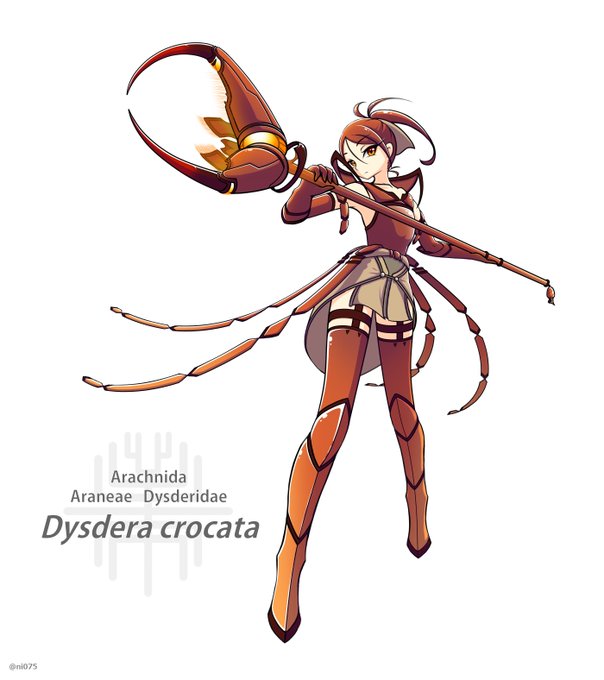
Woodlouse spiders (Dysdera crocata) are free-living spiders that prey on woodlouse. They have huge fangs, but instead for crushing, the spiders uses them for holding the woodlouse in place, injecting venom by stabbing one of them to the prey's unprotected underside.
#Arthrogirls

Snow flies (Chionea) are crane flies (Tipulomorpha) that active during winter, as their body fluid contain glycerol to prevent them from freezing. They are almost wingless, and the space which originally housed by flight muscles are instead use to store their eggs.
#Arthrogirls