
Roberto Sáezさんのイラストまとめ
@robertosaezmFollow @robertosaezmさんをフォローする
フォロー数:197 フォロワー数:12699


Brain shape, and possibly brain function, evolved gradually in Homo sapiens. Brain morphology has reached the globularity typical for present day humans suprisingly recently (right) vs 300 ka Jebel Irhoud 1 (left)
Image © MPI EVA/ S. Neubauer, Ph. Gunz https://t.co/USffHRn6OV

Hybridization in human evolution: Insights from other organisms https://t.co/25zOwnaL4o
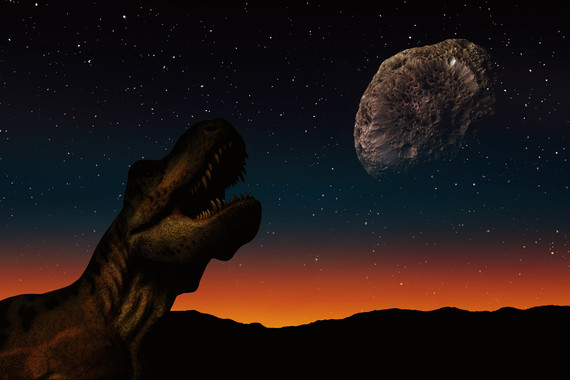
¿Vulcanismo o meteorito? Nuevo estudio descarta lo primero... "La actividad volcánica no desempeñó un papel directo en la desaparición masiva de los dinosaurios" https://t.co/Wn28UgD3zU

Neanderthal behaviour, diet, and disease inferred from ancient DNA in dental calculus https://t.co/lol0nh8rQs
Weyrich L, Duchene S, Soubrier J et al (2017)
Hoy ya he oído dos veces que los cazadores-recolectores de la prehistoria tenían "mucho tiempo libre"... La verdad, me parece una afirmación bastante ligera (por decirlo de manera suave). ¿¿Habrá algún trabajo sobre eso??
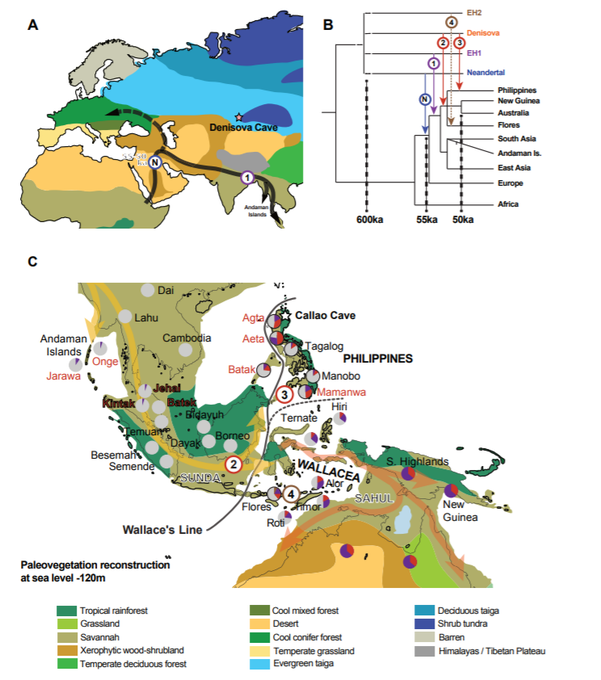
A ‘Denisovan’ genetic history of recent human evolution (Teixeira JC, Cooper A. 2019): https://t.co/G21ZoH9epH

@Spoonandknifeco Aquí hay otra interpretación distinta, obra de John Bavaro (a mí me gusta: la evolución de la cara sería posterior).
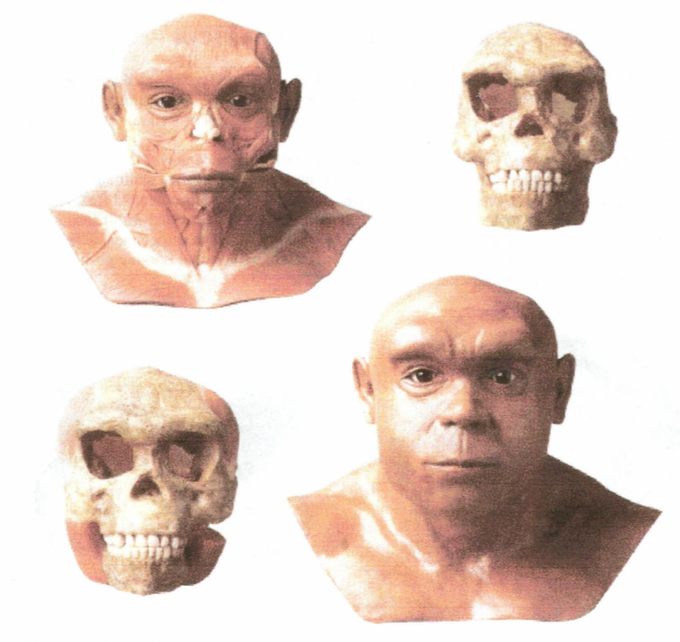
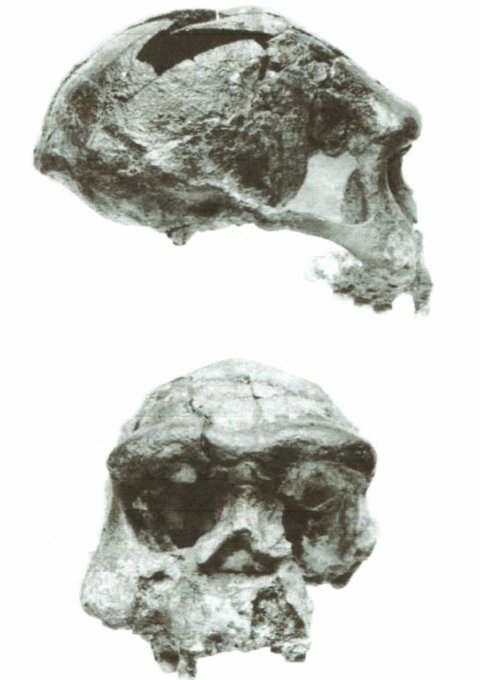
Process of reconstruction of the Sangiran 17 face. Photo 1: reconstruction (upper right), masticatory muscle restoration (lower left), facial muscle restoration (upper left), and a live face (lower right). Photo 2: the Sangiran 17 skull. Source: Baba H, Aziz F & Narasaki S (2000)

Reproducción artística de Danuvius guggenmosi, un primate de hace 11,6 Ma encontrado en Alemania y publicado ayer, con brazos indicativos de vida arbórea, pero piernas indicativas de bipedación (¡mucho antes que los homininos!). ¿Cómo sería su modo de vida? (imagen: @larazon_es)
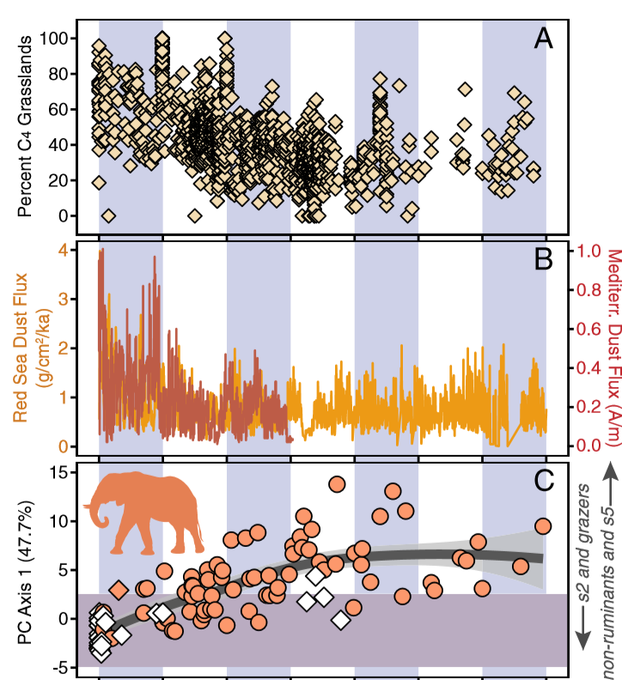
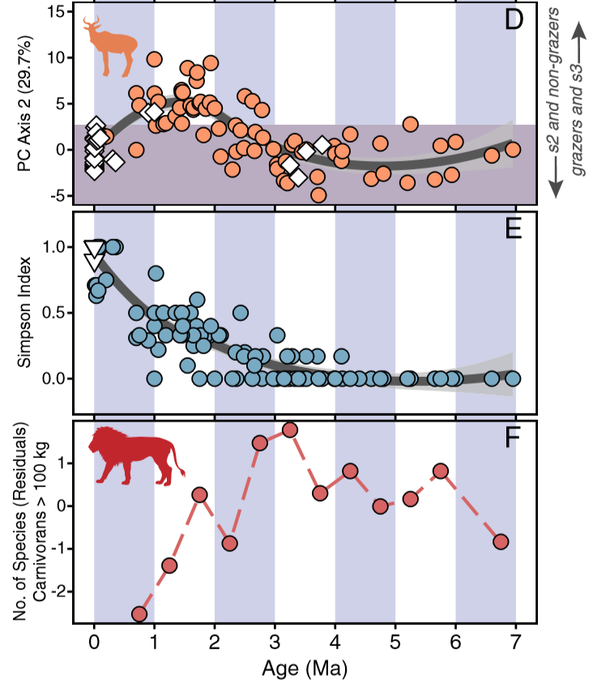
Early hominins evolved within non-analog ecosystems. Eastern African communities of large-bodied mammalian herbivores are ecosystem engineers and shape biotic communities that differed markedly from those today until ∼700,000 y ago. https://t.co/4eLu4XU1CC