
Wrath Of Gnonさんのイラストまとめ
@wrathofgnonFollow @wrathofgnonさんをフォローする
フォロー数:594 フォロワー数:166667

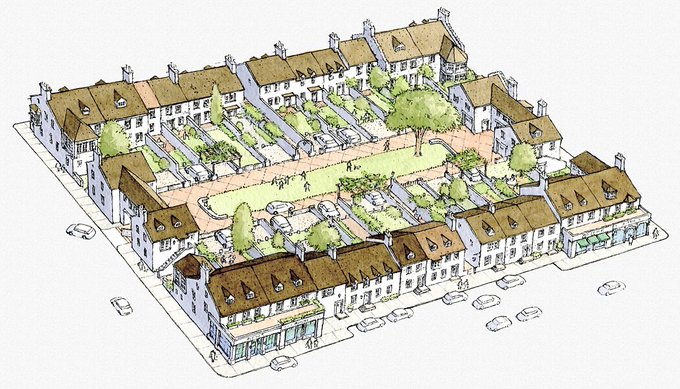
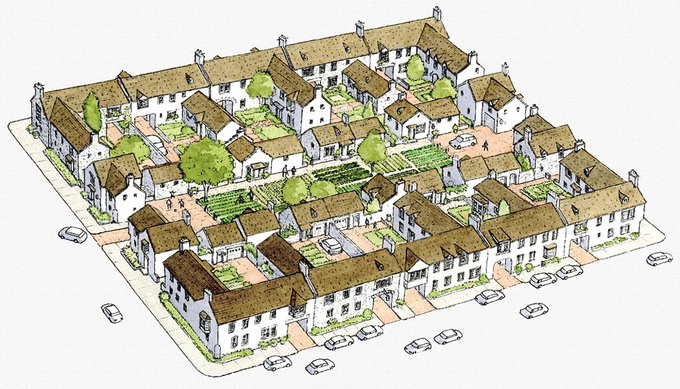
@SCP_Hughes These two were better but there is still the problem of the cars. The one on the right is the best but even that has too much parking and traffic. Adding a tram stop would work.
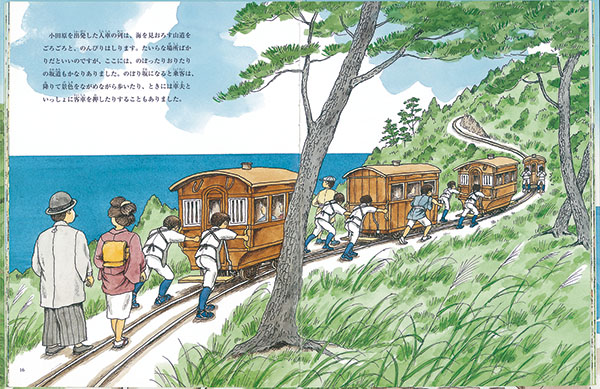


Cheaper than roads and more efficient than carts, before engines were common enough to be everyday items Japan had hundreds of hand pushed railways. The last one in regular use (it carried logs from river to mill and factory) closed in 1959. Minimal start up costs. Easy to build.


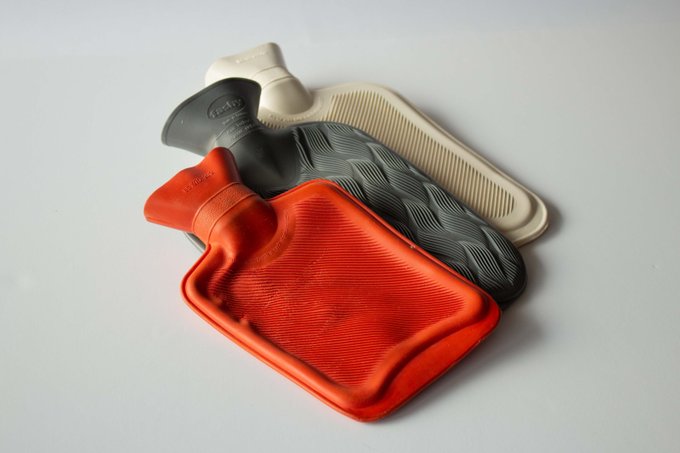
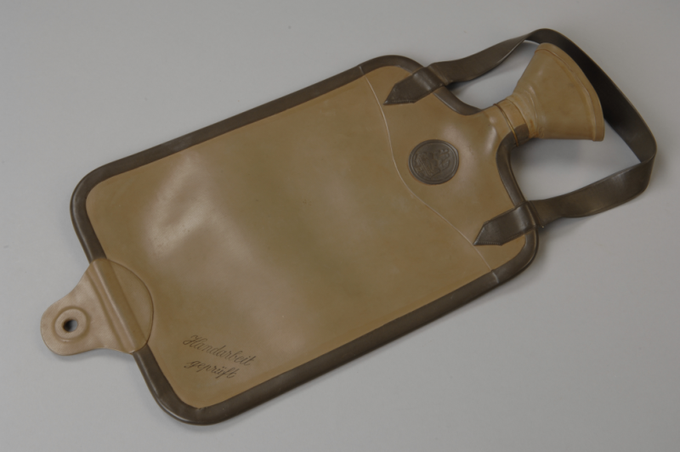
On the history and use of the humble hot water bottle, the low tech option for thermal delight, from my favorite website, @lowtechmagazine https://t.co/Jfsd7yl4qq
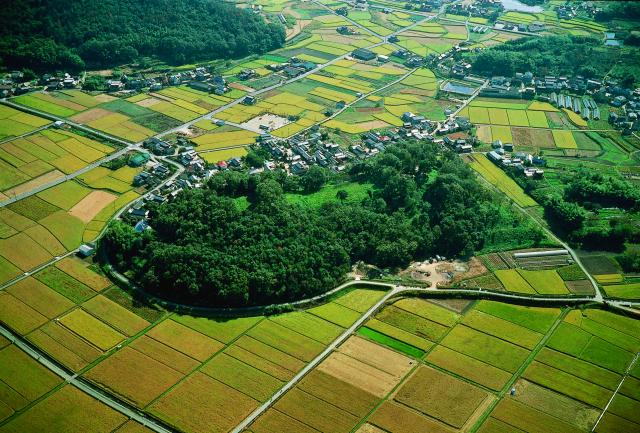
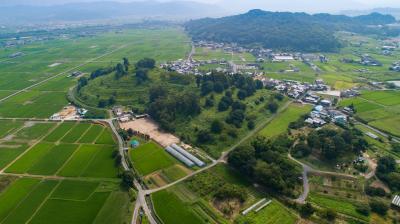
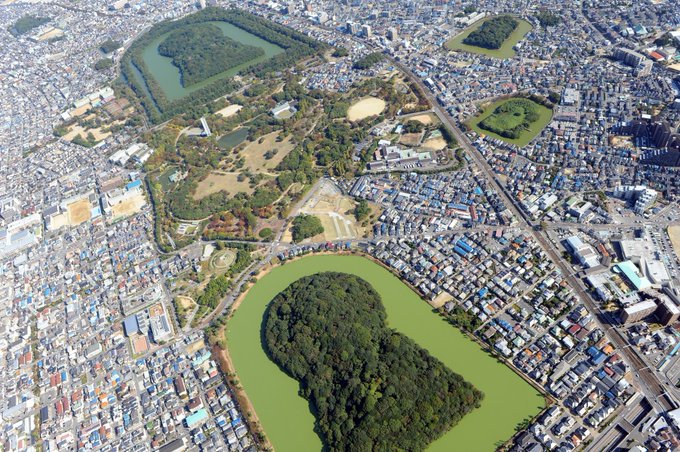
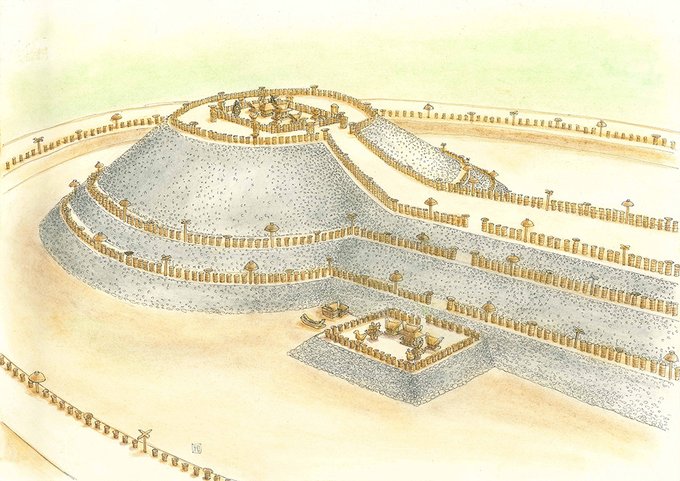
Some images of present day Kofun and a reconstruction of how they would have looked when new.


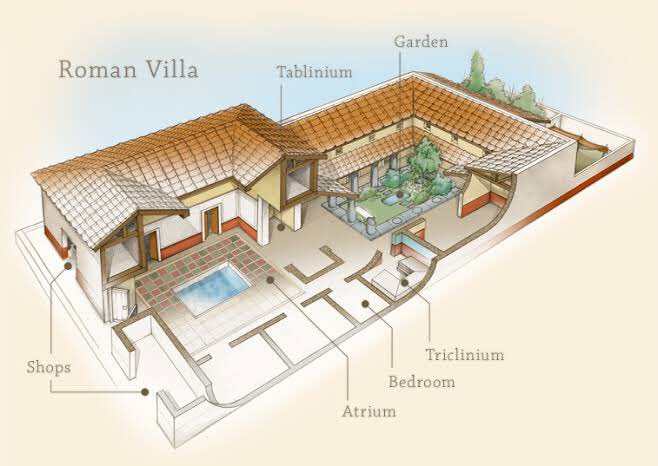
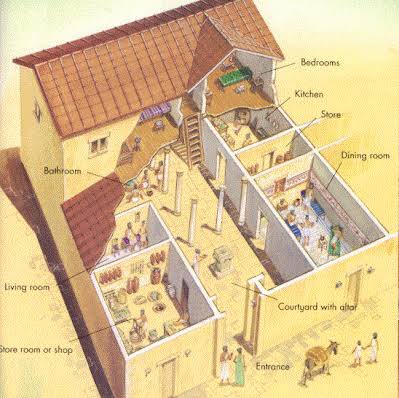
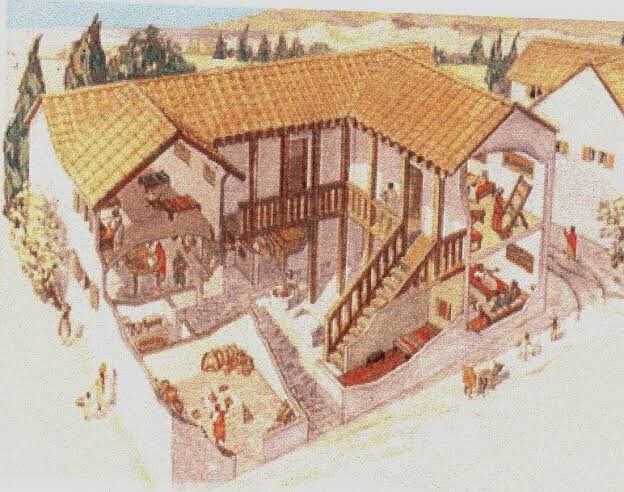
Reconstructions of a typical Babylonian private residences in the 18th century B.C., in the city of Ur during the reign of Hammurabi (1810-1750 B.C.). At this point the city was already 1,700 years old. Built around central courtyard and an impluvium, walls of adobe bricks, 2fl.


The walled beguinage Our-Lady Ter Hooyen in Gent, as it might have looked in the 17th c. by Joris Snaet. Ample space, river access, social housing. 11.3 acres. No adult men allowed. The lawns are bleaching greens, to process textiles, one of many small industries of the beguines.
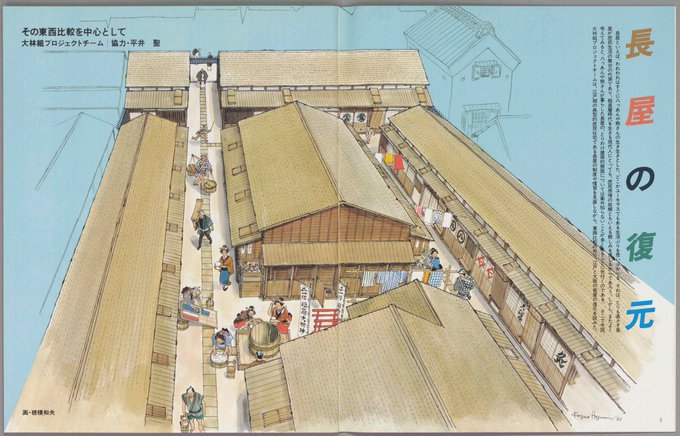
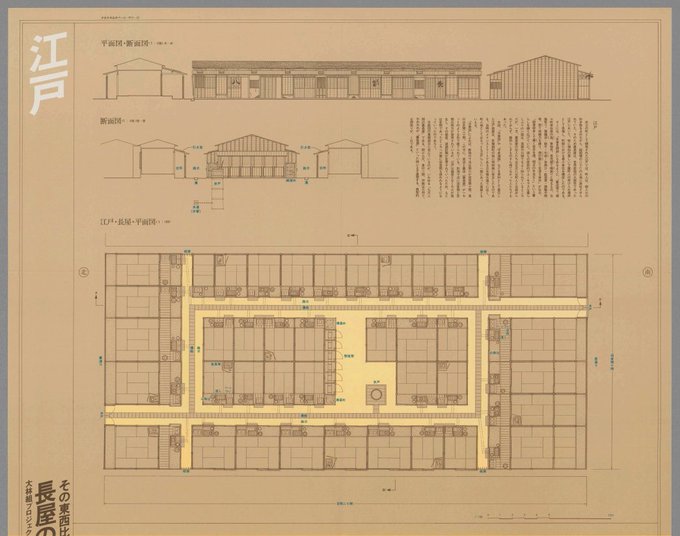

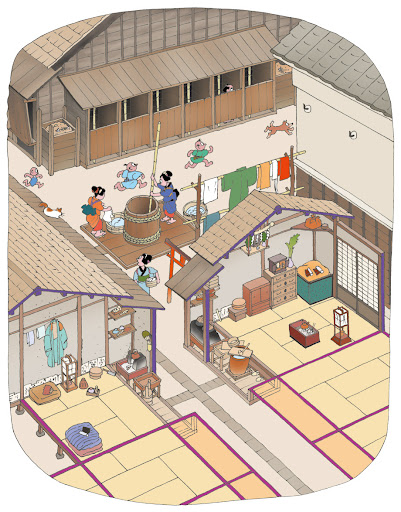
@vhstapesalesman Not apartment "blocks" as we know them today, I used the term as the modern equivalent to make it comprehensible for the foreign reader. They were one floor row-houses of apartments for the working class population of the city. Here a typical example. Y's drawing is by the gate.


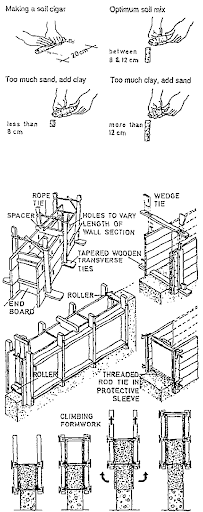
@PaultheHallal You dig up soil, shove it between a pair of wooden forms, and tamp it down. Here's a few images: