mioceneのTwitterイラスト検索結果。 147 件中 6ページ目


Miocene Fossil from Africa Provides New Evidence for Origin of American Crocodiles
https://t.co/jczAaYKgTW
#paleontology #science


I finally have a bit of time to sketch in the morning. The recent study on Thylacosmilus published last Friday made me want to sketch some portraits of this amazing Late Miocene-Pliocene South American sparassodont #Paleoart #sciart #MammalMonday


3D specimens of fossil otters from the Middle Miocene of Thailand https://t.co/0iLpd5pUZa


Ferocious #FossilFriday! Let me introduce you to the Late Miocene North American Eucyon ferox (previously Canis ferox), here in a wonderful #reconstruction by @FlaviaStrani.
Wanna know what its #diet was?
Read it in the work by me and Prof. Rook:
https://t.co/tGkuc3aEl6


I have been wanting to reconstruct Entelodonts for a while, so for today’s #MammalMonday I decided to sketch this Daeodon, a huge entelodon with a 90 cm skull that lived in the Oligocene and Miocene of North America. I really enjoyed this one #paleoart #sciart


It's chucking it down here on this #FossilFriday, so here's some #paleoart of the plotopterid Copepteryx getting rained on. Plotopterids were a group of Eo-Miocene penguin-like birds that lived in the Northern Hemisphere. Some grew quite large - about the height of a human.

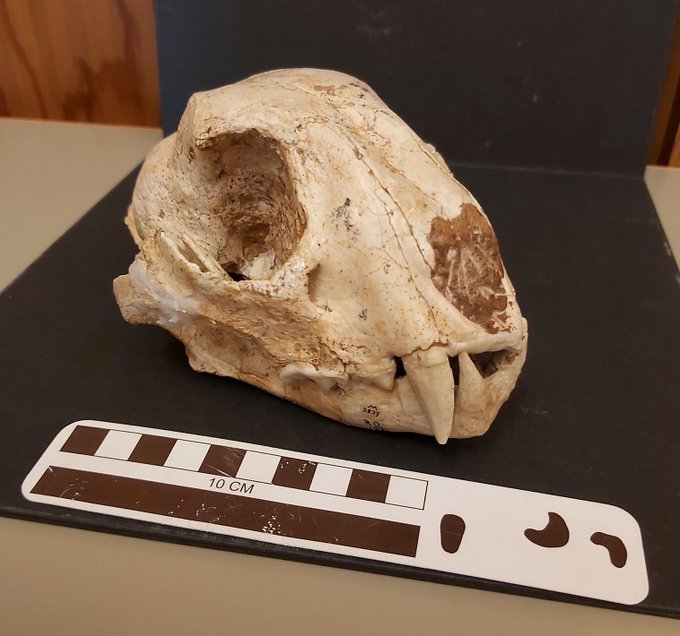
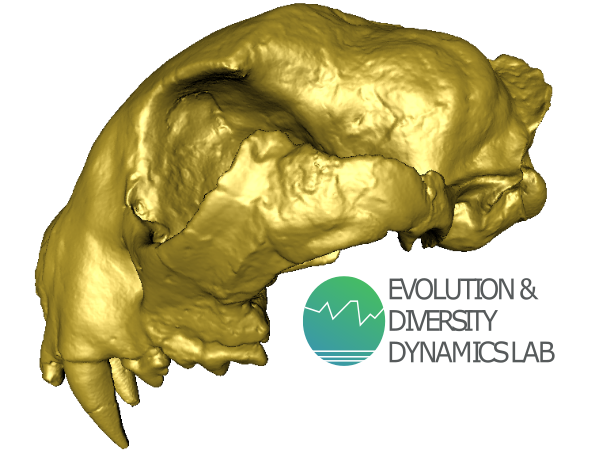
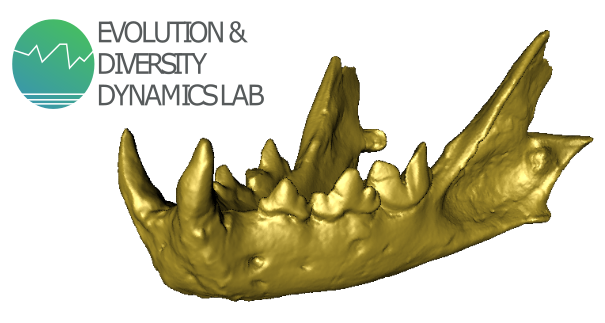

For #FossilFriday I present you these incredible associated skull (PMU-M3836) & mandible (PMU-M3837) of Yoshi minor I had the chance to scan in @UU_University 🦁🇸🇪 This specimen of #sabertoothed #felid was found in late #Miocene deposits in #China and described by Zdansky in 1924

I need to take a break from the commissions I’m currently working on with a completely unrelated animal. So, here is a sketch/speedpaint of a pair of Anisodon grande, a bizarre chalicotheriid from the Late Miocene of Europe #paleoart #sciart #chalicotheriids


The bathornids were lesser-known relatives of the famous South American terror birds that inhabited North America from the Eocene to the Miocene. Here's the largest species, Paracrax gigantea.

Phorusrhacos was a giant flightless terror bird that lived in Miocene Patagonia. It grew to 2.5 metres tall & preyed on horses.
(Credit: Hydrotrioskjan)

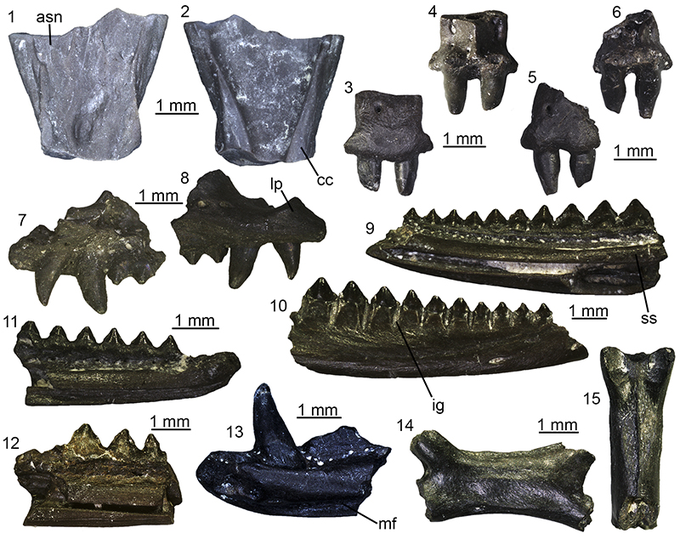
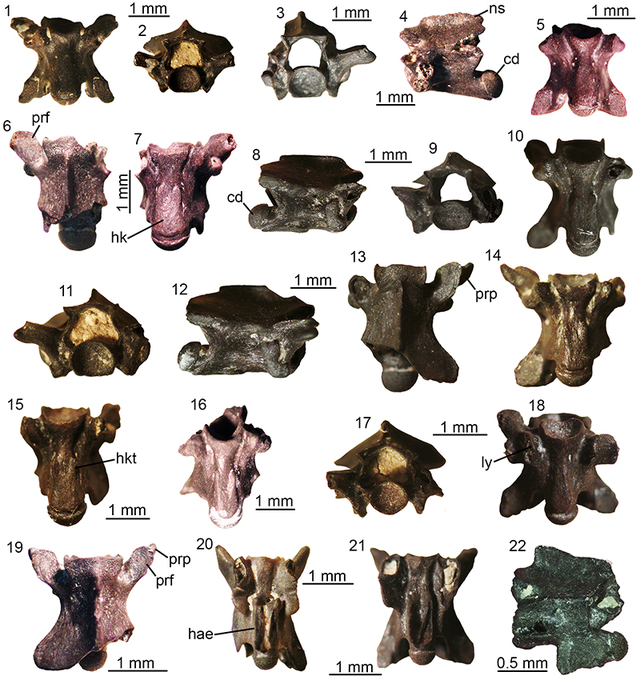

A new discovery represents the most diverse European herpetofauna across the latest Miocene/earliest Pliocene, comprising at least 30 distinct species and two new genera and species of #snakes!
G.L. Georgalis, A. Villa, M. Ivanov, D. Vasilyan, M. Delfino
https://t.co/BDBjaJuNjC


Phoberomys was a gigantic rodent & the second largest rodent that ever lived. It roamed Argentina during the Miocene.
(Credit: Prehistoric Wildlife)



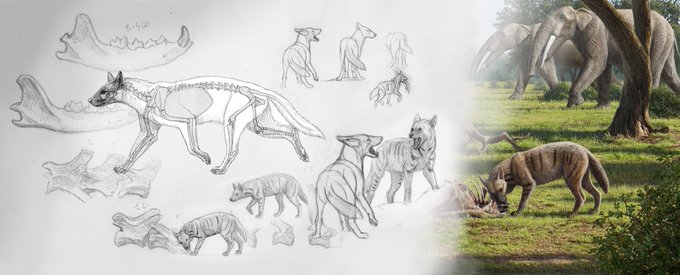
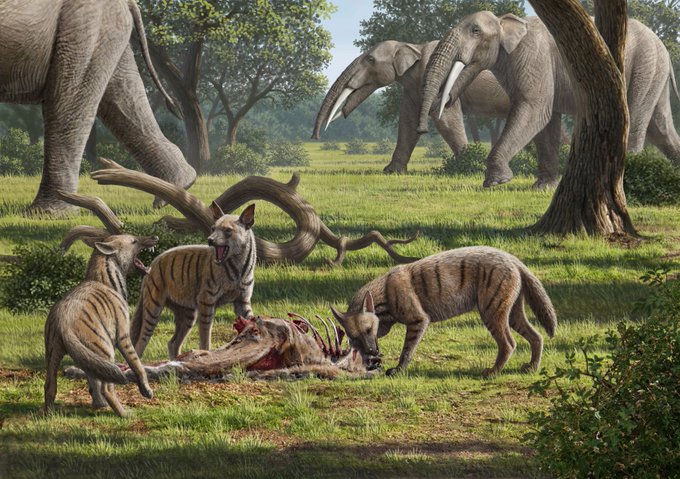
Earliest #hyaenids were different from modern, huge bone-crackers like Crocuta. Protictitherium, from the Miocene of Batallones, was no larger than a jackal and had a varied diet including carrion. From fossils to sketches to full reconstruction #fossilfriday

I just found out that today is #InternationalRabbitDay so I decided to quickly sketch one of the oddest extinct rabbits, the LARGE (50 cm tall, about 15-20 kg) Nuralagus rex, which lived on the island of Menorca 5 to 3 million years ago (Miocene and Pliocene) #paloeart #sciart

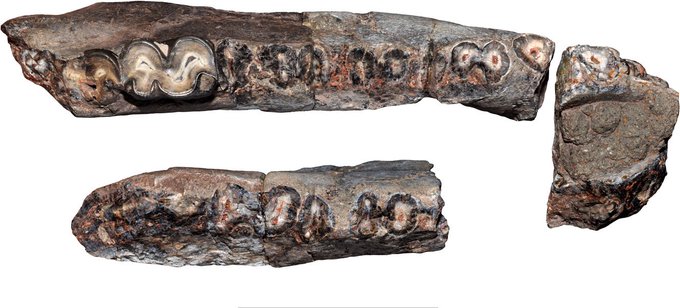
New online: McGrath, Flynn & Wyss – Proterotheriids and macraucheniids (Litopterna: Mammalia) from the Pampa Castillo Fauna, Chile (early Miocene, Santacrucian SALMA) and a new phylogeny of Proterotheriidae https://t.co/TQdF2RVJI7


The Shloom (Tachyglossus Tridactyla Afer) Is An Extinct Species Of Echidna, Giant Anteater And Aardvark. The Genus Was Endemic To Australia, Living From The Miocene Through To The Pleistocene Epochs.