PollinatorのTwitterイラスト検索結果。 261 件中 10ページ目


What do #pollinator declines mean for human health? (according to @EU_Commission research) #wildlife #sketchnote


October is #BatAppreciationMonth! Bats are important pollinators and they also help keep insect populations (such as mosquitoes) in check. #SciArt by Ernst Haeckel from "Kunstformen der Natur" (1899-1904), in #BHLib via @SILibraries ➡️ https://t.co/2lKFtlcmGu #BatMonth 🦇🦇🦇


Check out this new digital art that I uploaded to https://t.co/4DG4E8VO3z! https://t.co/azZxSMQoj8
#monarch #butterfly #pollinators #gardens


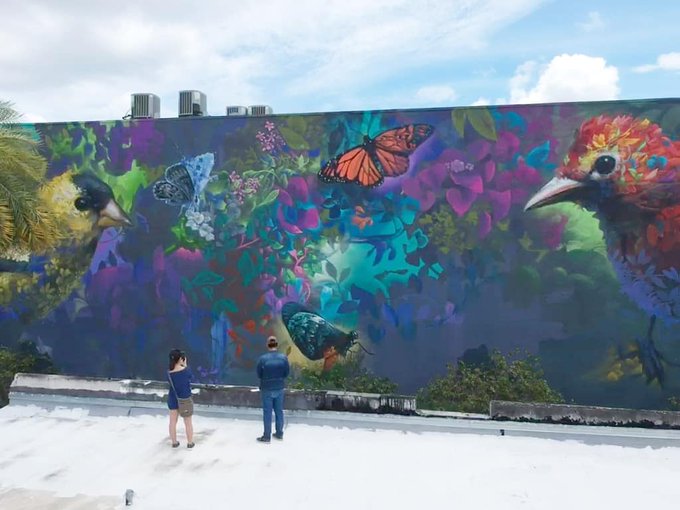
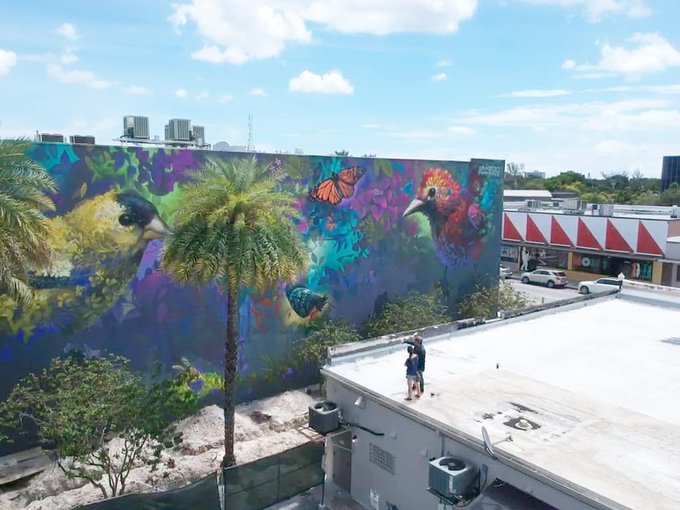
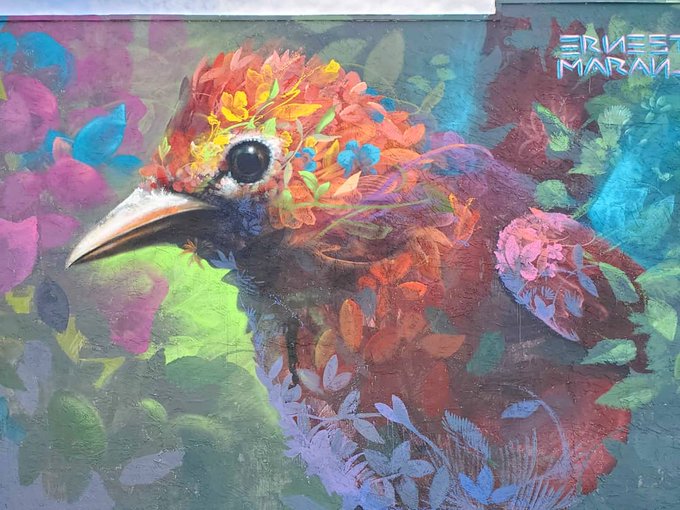
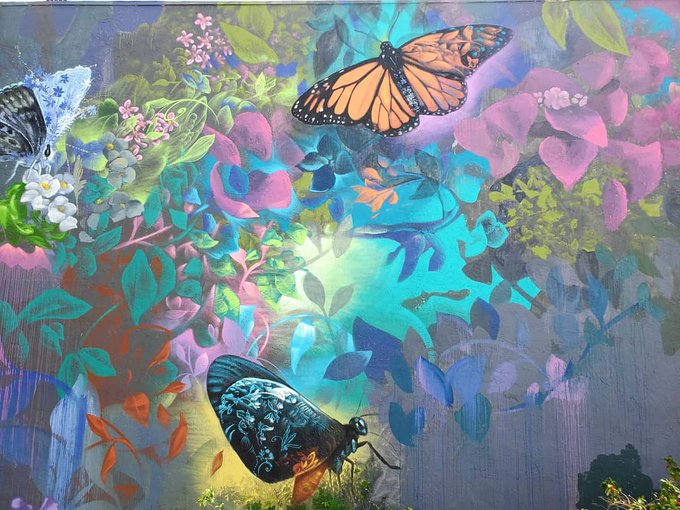
Our latest Augmented Reality mural by artist Ernesto Maranje located in Liberty Gardens North Miami. It highlights the importance of pollinator ecosystems, native trees and species in maintaining a balanced environment. @bitl_earth #ar #miami #mural #biodiversiry


#CompetitionTime Princess Poppy is saving bees! #Win Bee Hotel & Seeds, Save the bees T shirt, book & PLUSH toy. Follow, RT and like to win! Competition ends Friday 23rd August at 6pm. #pollinators Next book in new year! Next tour stop Waterstones Dumfries. X


'Waiting for Wings' by the award-winning Milwaukee author and illustrator Lois Ehlert was published in 2001 by Harcourt and is a celebration of butterfly pollinators & gives instructions for growing a butterfly garden! Learn more about Ehlert here: https://t.co/Cxswmdfawb #flora


Beetles have been pollinators for millions of years and were among the first insects to visit flowers. Celebrate these abundant pollinators for #PollinatorWeek by exploring the #beetles of Russia & western Europe in #BHLib thanks to @NHM_Library ➡️ https://t.co/a4Qss9u77B

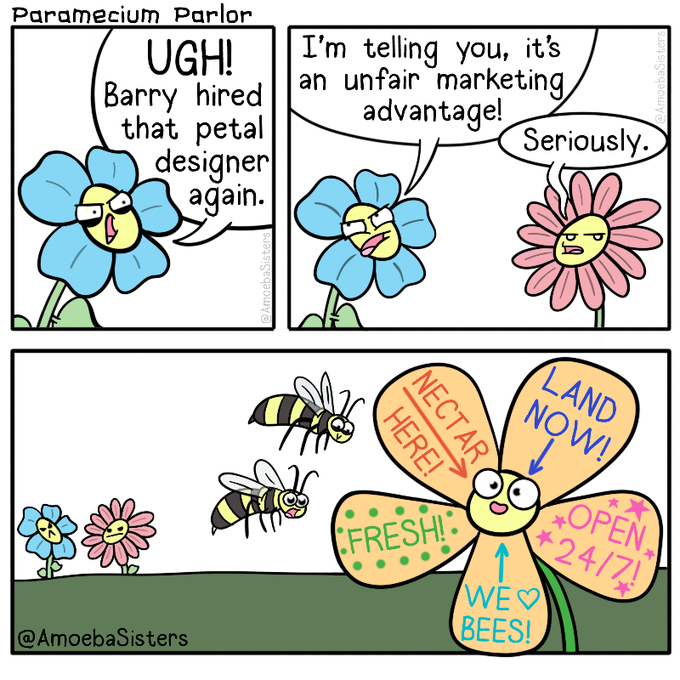
We're celebrating #PollinatorWeek! All's fair in love and #pollination. #science #biology #nationalpollinatorweek


It's #PollinatorWeek! Pollinators are responsible for 1 in 3 bites of food we eat. Bees are important pollinators. Explore the natural history and economy of bees of the British Isles in "British Bees" (1866), in #BHLib via @Fisher_Library ➡️ https://t.co/HwdjbC1kwL 🐝🐝🐝


This busy little #bee Biro drawing by Lucas age 8 is at the centre of the exhibition poster https://t.co/dZn9S4xRPk
1/3 of the world's food is pollination dependent. Many wild animals also need pollination dependent food to survive, yet pollinators are decreasing!
@BornFreeFDN

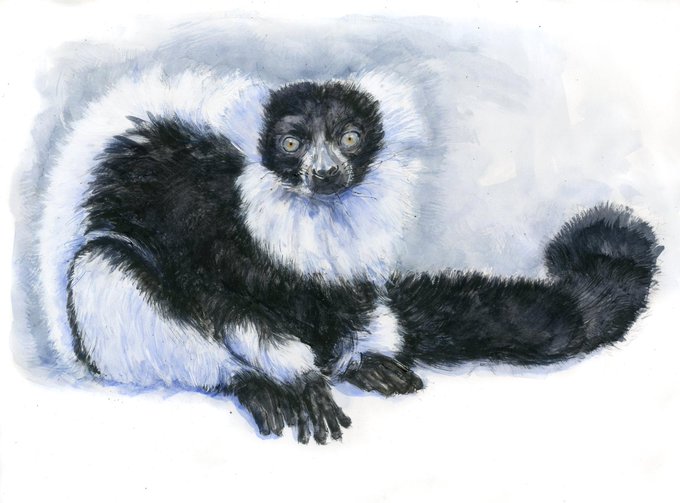
Illustration of Storm, a black-and-white ruffed lemur from ZSL. These lemurs considered to be the largest pollinators, as they feed, pollen sticks to the ruffs of fur around their faces and gets transported from tree to tree. Also they are sadly critically endangered!


It's World Bee Day! Help us support and preserve our tireless pollinators by donating to The HoneyBee Conservancy!
https://t.co/Dgw8wjxD9H


Celebrating World Bee Day, with a bee in a Lavender Pinocchio rose. I always love spending time with the bees in all the rose gardens I visit!
#worldbeeday2019 #bees #pollinators #roses #lavenderpinocchio https://t.co/Dy59A9cAoC


By mowing less this spring and summer your can give clover, buttercups, dandelions and more a chance to flower for pollinators like bees, butterflies, hoverflies and moths. And you can enjoy seeing which flowers emerge to add some natural joy and colour to your garden! 🐝🌻


The Tree #Bumblebee Queen, specifications:
#spring #pollinators