StaveのTwitterイラスト検索結果。 107ページ目



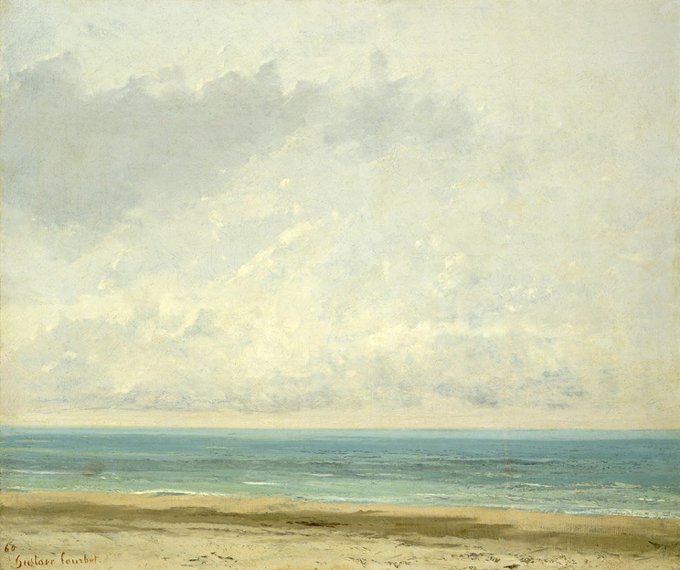
The Calm Sea
Gustave Courbet
Date: 1869
Style: Realism
Genre: landscape
Media: oil, canvas


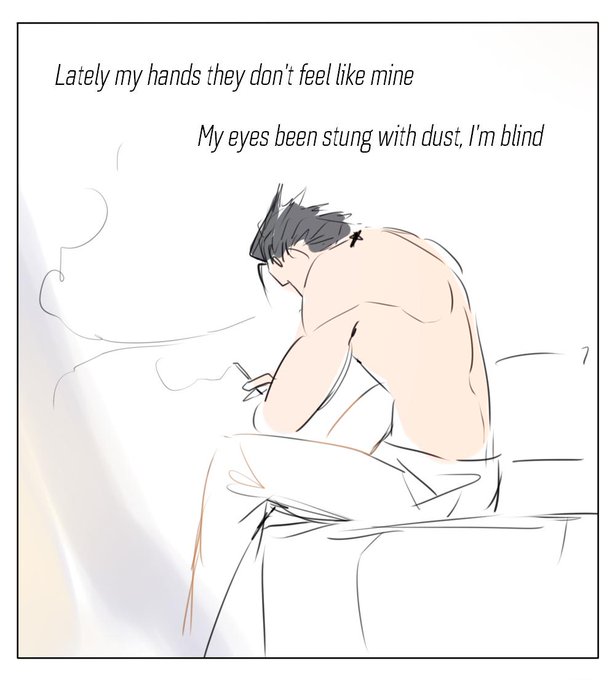


Listened to the cover of the staves and bon iver "Jolene" (by Ray LaMontagne) and i
i cant help but cry when i remembered-



@GuyLongworth Gustave Moreau "Galatea" c1896
Sea nymph Galatea, the fairest of all, loved mortal Acis. Cyclops Polyphemus had his lecherous eye on her, so crushed Acis' head with a stone. Galatea immortalised her beloved as a water sprite, whose blood would flow as a river forever more


Perseus and Andromeda
Gustave Moreau 1826-1898 French Symbolist Painter

Dream of the Orient
Gustave Moreau 1826-1898 French Symbolist Painter


commission for one of the best dudes out there <3
#GilbertPronislav #gilbert #FireEmblemThreeHouses #FireEmblem3Houses #FireEmblem #gustavedominic #ギルベルト #ギルベルトプロスニラフ


[oc] trying to stave off artblock with some self-duplicating bunny himbos


"O Delion king, whose light-producing eye views all within, and all beneath the sky; whose locks are gold, whose oracles are sure, who omens good revealest, and precepts pure" --Orphic Hymn 34 to Apollo
The Chariot of Apollo, or Phoebus Apollo (c.1880), Gustave Moreau


02/08/1881 nació GUSTAVE VAN DE WOESTYNE, pintor y grabador belga
@mariatontini1 @ceconomou56 @Cassini_jon @anthony77631293 @dianadep1 @agustin_gut @Flavio51840161 @1jrv1 @MarieFrettoloso @amber10castle @AlessandraCicc6


Galatea, “ she who is milk-white “.
Galatea is also the name of Polyphemus's object
of desire in Theocritus's Idylls VI and XI
and is linked with Polyphemus again in the myth
of Acis and Galatea in Ovid's Metamorphoses.
——
Galatea (circa 1880) by Gustave Moreau
-
-


Illustrator Nicolas Delort uses a scratchboard in a manner which evokes the engravings of #GustaveDoré. Here's his take on the classic Éowyn vs Witch-king encounter - A Woman's Courage. Yes, there are uncanonical details, but look at that dismount from the Witch-king... #Tolkien


Think I found my new favourite 17th c. painter.
Gustave Moreau