archaeologicのTwitterイラスト検索結果。 332 件中 16ページ目


"Past, present and future" by Kempster & Evans, 1954.
Archaeological #PaintingOfTheDay


@emilyrjohnston @Tony_Robinson @wmarybeard Oi, Freddo! Hands OFF sensitive archaeological sites!

Oi, Freddo! Hands (or paws) off sensitive archaeological sites!
@DSAArchaeology @DrKillgrove

@Pottedhistory @DavidPetts1 @CadburyUK @britishmuseum @EnglishHeritage @nationaltrust @HistoricEngland @HistEnvScot Hands (or paws) off vulnerable archaeological sites, @CadburyUK


@ColeDaigneault That would hearken back to the great-great-great-grandparents of the Princesses. Apparently, they were on a quest to find candy mountain. Archaeological evidence is scarce, but it does mention something about a kidney.

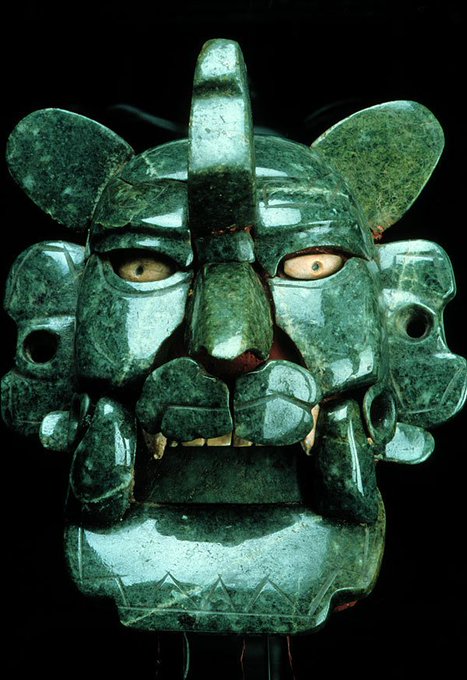
https://t.co/OMf2YZ170C - homoarchaeologicus:
Zapotec jade and shells mask, ca. 200 BC - 100 AD, Monte Alban, Mexico. Photography © Jorge Pérez de Lara.
Even though many scholars maintain that this is a bat mask, many of its features point towards its identification as a fel…

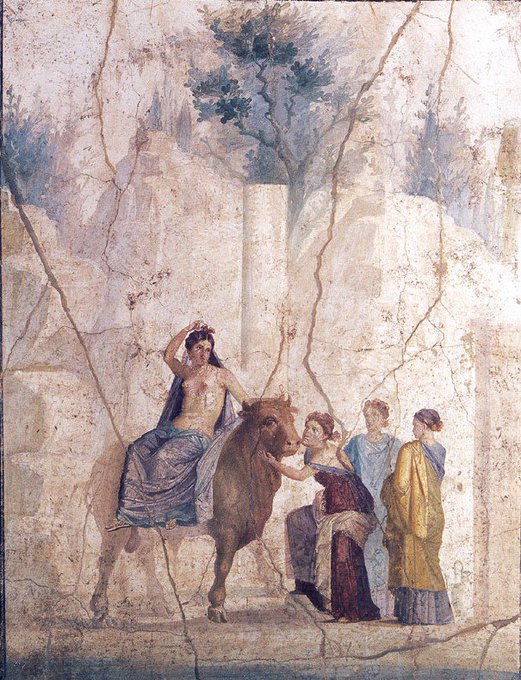
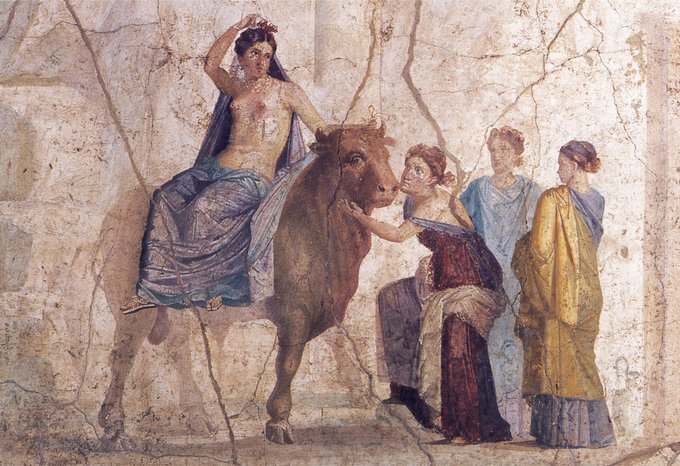

Europa riding the bull. Fresco from Pompeii (House of Fatal Love, IX, 5, 18). 1st century AD. (Naples, National Archaeological Museum) #Europa


Dido, queen of Carthage seated on a throne, attended by handmaiden, looking at the personnification of Asia? (right) and Africa? (left). Aeneas' ship feature in the background. 1st century AD. (National Archaeological Museum, Naples) #Dido


The Ruins of Ancient Rome by Giovanni Battista Piranesi (1720–1778). "His etchings of the remains of a great civilization couple his archaeological interest in detail with his flair for dramatic effect...the ruins suggest romance, mystery, melancholy, awesome possibility & loss."

Head of Athena with Corinthian helmet, 1st century AD, Archaeological Museum Ostia, #Rome, #Italy. Read More: https://t.co/5doS5I8Iud

Archaeological #Illustration of the cena, or main meal with nine diners in the triclinium... the #Roman dining room. Nine was the socially acceptable number of diners. More was boastful and less showed a stingy host of meager means [credits CookitGallery].


Prompt for Nov 2018:
"The Tiefling and the T-Rex" -
The group stumbled upon an archaeological dig site in the middle of the desert that was being attacked by a Sand T-Rex, the druid of the group, a reddish tiefling Netheros successfully cast Animal Friendship... (pt. 1)


Frahm, E., & Tryon, C. A. (2018). Origins of Epipalaeolithic obsidian artifacts from Garrod's excavations at Zarzi cave in the Zagros foothills of Iraq. Journal of Archaeological Science: Reports, 21, 472-485.
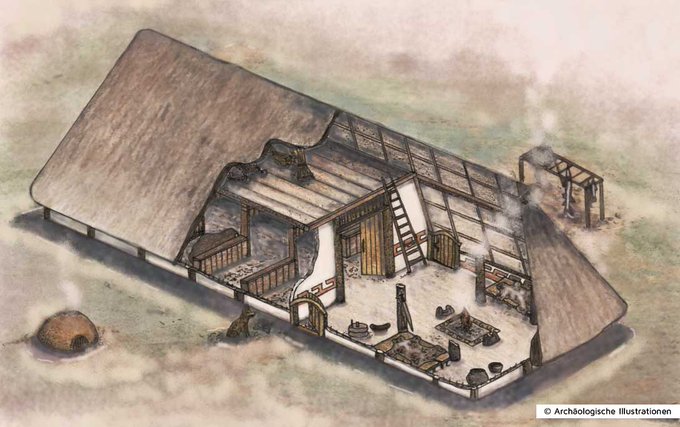

One archaeological site, two different styles of reconstruction. #Lombard longhouse, Northern Germany #Archaeology
#ArchäologischeIllustrationen

Illustrations of two beautiful fibulae from the #Baltic tangible good from the #prussian collection in the #Berlin Museum for Pre- and Early History.
#archaeology #archaeologicaldrawing #archaeologicalillustration


Dear @ClachtollB,
Please find attached our application for the #Artist Residency (https://t.co/0rOc16SYeU), as advertised through @aocarchaeology.
We look forward to spending the #summer at this stunning #archaeological site & drooling over the finds.
Sincerely,
#DigItScotland

Archaeological #Illustration of the cena, or main meal with nine diners in the triclinium... the #Roman dining room. Nine was the socially acceptable number of diners. More was boastful and less showed a stingy host of meager means [credits CookitGallery].


Currently on @CATRomanCircus until April 28th is a special exhibition by artist Peter Froste showcasing his work, and collaborations with the archaeological trust, recreating a Colchester of centuries past. Fascinating stuff!
More info here: https://t.co/HjstBRcusw


Alan Sorrell was an artist renowned for his meticulously researched archaeological reconstructions. His daughter talks about the upcoming 'Alan Sorrell: The Man Who Created #Roman Britain': https://t.co/yuOO36WJTy