nowonのTwitterイラスト検索結果。 425 件中 18ページ目


どうしても鹿が描けず……(o_ _)o パタッ
いちご🍓にしちゃった💦
ちびしゃいに♡
\(⌒▽⌒(δvδ(ㅎㅅㅎ)ㅍ_ㅍ)`ㅂ´*)/
#SHINee #FromNowOn


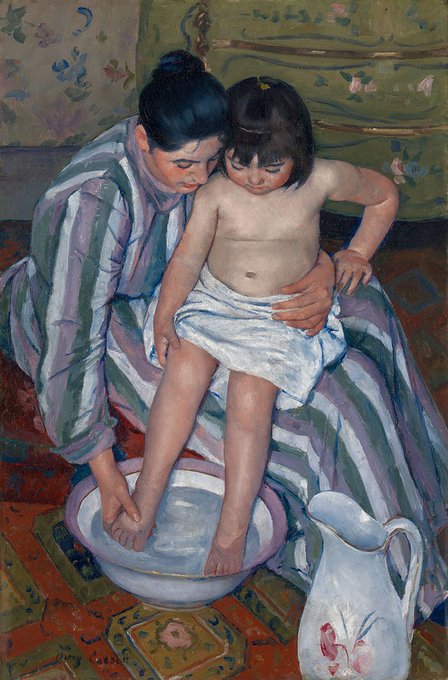
Mary Cassatt’s sensitive portrayal of a mother and child reflects the most advanced 19th-century ideas about parenting, encouraging mothers (instead of wet nurses and nannies) to care for their children—including regular bathing to prevent disease. #5WomenArtists #NowOnView

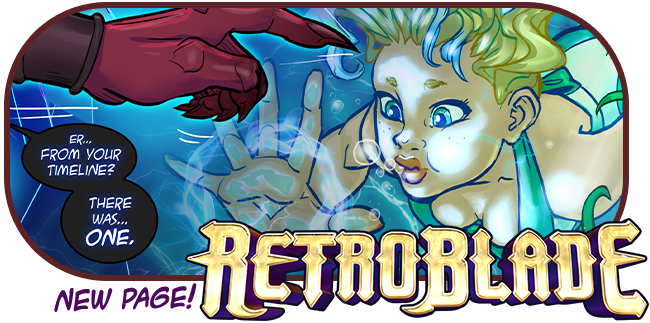
Page 125 is up on Patreon! Wait...WHO IS SHE??? 🌊 https://t.co/yDgaklFHzF
#webcomicchat #ComicBookHour #indiecomics #comics #Webcomics #scifi #fantasy #timetravel #dimensions #teamstrawberry #NowOnPatreon

Joshua Johnson was the nation’s first professional African American painter of prominence. He was born into slavery but freed by his owner (and father) shortly after 1782. Through his ties to abolitionists, Johnson attracted local patrons in the city—like the Banksons. #NowOnView
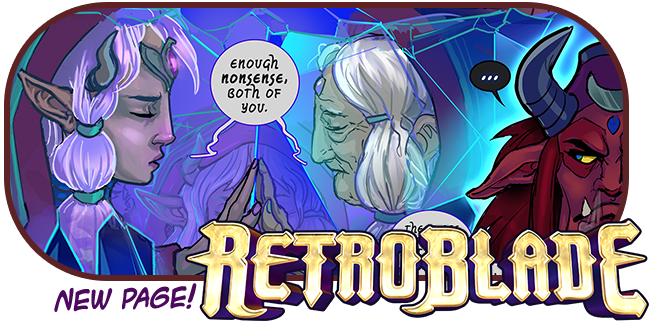
AT LAST. The latest page is up on Patreon!! 💪🍓✨💦
https://t.co/8VAsbXiOhb
#comics #webcomics #webcomicchat #comicbookhour #scifi #fantasy #timetravel #dimensions #Patreon #NowOnPatreon #RetroBlade

In July 1919 race riots heightened tensions in Chicago. The violence convinced Archibald Motley he should use his art to influence perceptions of African Americans in a positive manner. This self-portrait is thus an extraordinary declaration of his goals and ambitions. #NowOnView
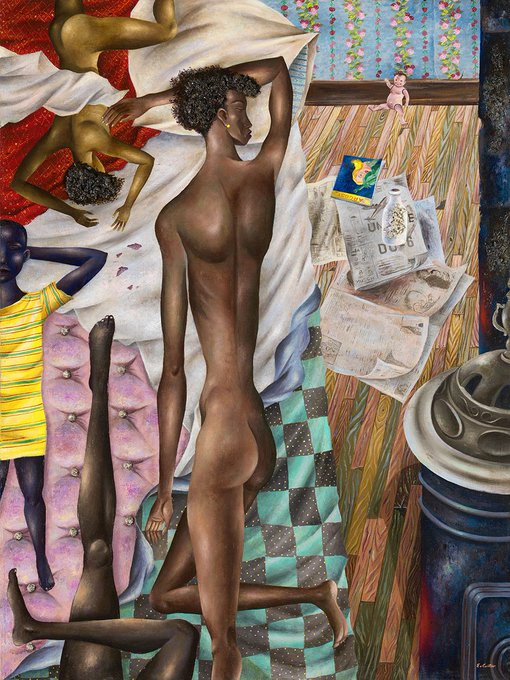
Eldzier Cortor wrote: "[This painting] shows the overcrowded condition of people who are obliged to carry out their daily activities of life in... utmost poverty."
Although it depicts people in impoverished circumstances, Cortor creates a world of beauty and color. #NowOnView

Claude Monet's “On the Bank of the Seine, Bennecourt” documents an unprecedented artistic breakthrough. Known as the "first Impressionist landscape," its motifs of reflective surfaces and textural brushwork would dominate his later work.
See 27 paintings by Monet #NowOnView.


Wild beasts, monsters, demons, and other fantastical creatures populate these hauntingly detailed prints of the 15th and 16th centuries—#NowOnView in European Prints and Drawings.

Fighting roosters, a lurking cat, and a pickpocket enliven the overflowing abundance of a Flemish market stall in this nearly life-sized Baroque painting by Frans Snyders—#NowOnView in European Art.
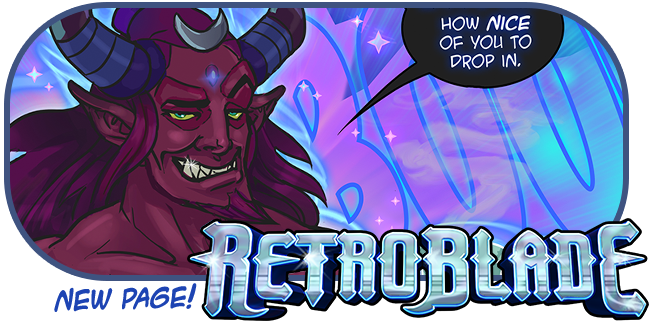
🍓 Page 123 is now up on Patreon, and.... yeah.
https://t.co/9enY8Zy0W6
#webcomicchat #comicbookhour #webcomics #comics #teamstrawberry #NowOnPatreon #jam #timetravel #DIMENSIONS #imsorry


“Every new painting is like throwing myself into the water without knowing how to swim.”
—Édouard Manet, born #OnThisDay in 1832.
See nine works by Manet #NowOnView in European Art.
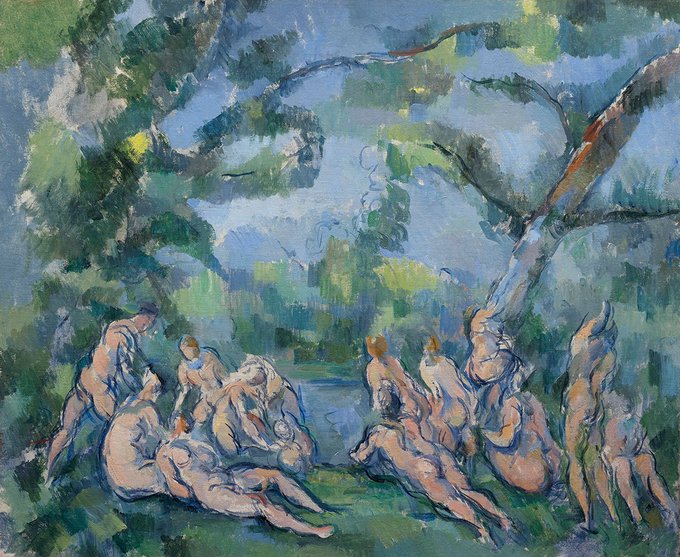
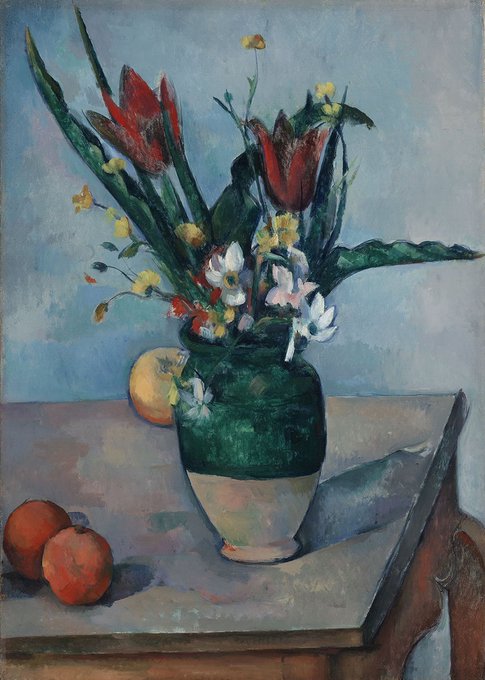

"I am the primitive of the method I have invented."
—Paul Cézanne, born #OnThisDay in 1839.
See five paintings by Cézanne #NowOnView at the Art Institute.
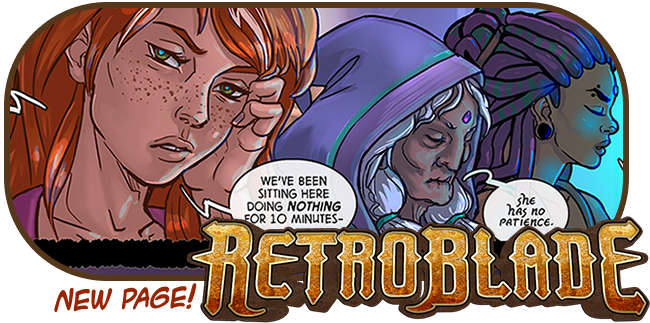
Page 122 is live on Patreon! Are you in the right state of mind? 🙏🍓
https://t.co/LXQZdJYVkl
#webcomicchat #comicbookhour #webcomics #indiecomics #scifi #fantasy #timetravel #NowOnPatreon


Near the end of his life, Francisco de Goya created a satirical series of etchings known as “Los disparates,” meaning “nonsense” or “follies.” These prints contain some of Goya's most mysterious imagery, which he intentionally left open to many interpretations. #NowOnView


Winter days offer a beauty all their own and time to spend with friends and family. Enjoy this selection of paintings evoking the winter season—#NowOnView at the Art Institute.
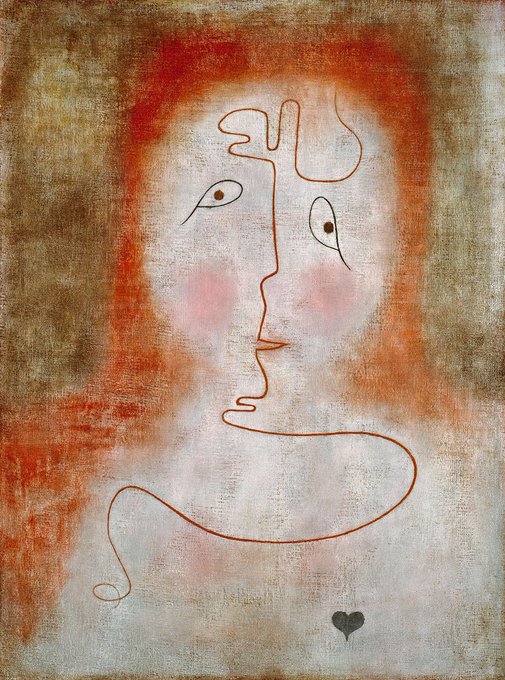
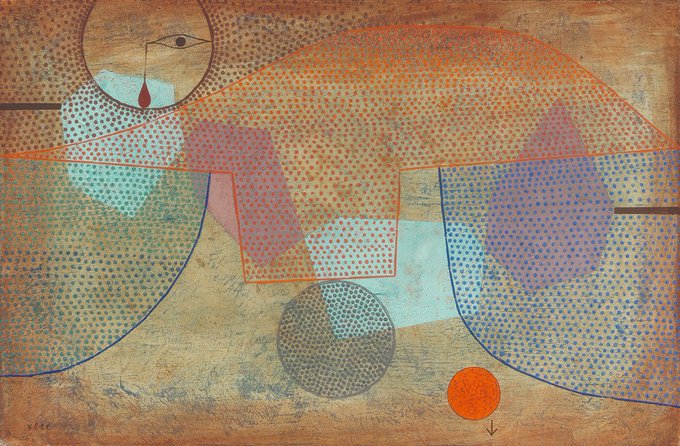

“Color is the place where our brain and the universe meet.”
—Paul Klee, born #OnThisDay in 1879
See six works #NowOnView in Modern Art: https://t.co/MwJquOVizs
(©ARS)