geographicのTwitterイラスト検索結果。 19ページ目

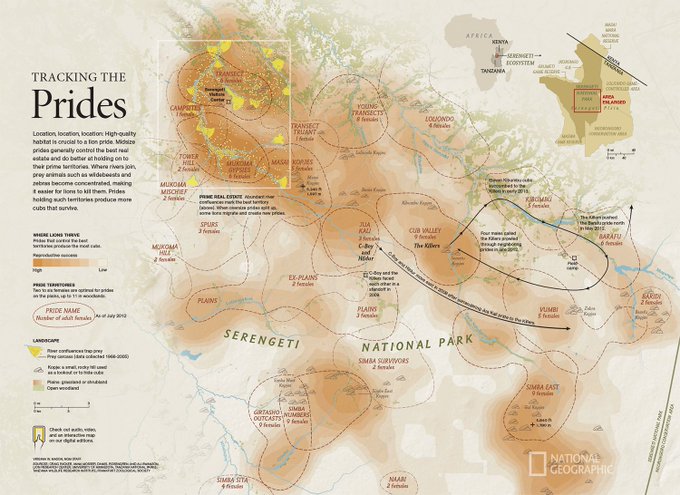
Tracking the Prides: This August 2013 map shows where lions thrive in Serengeti National Park - National Geographic https://t.co/xSGWd6lnI8 #MapPorn


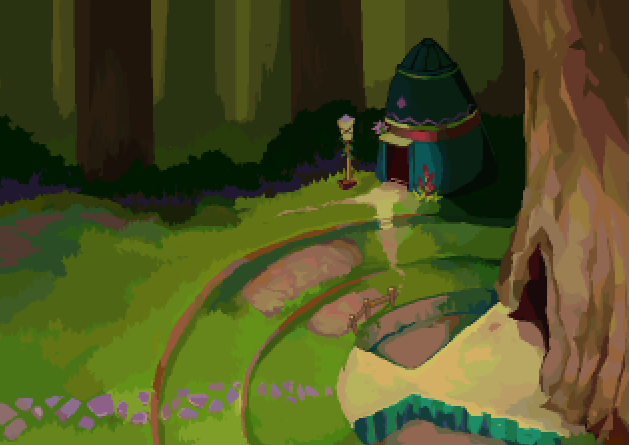
revisiting Orchard (the hometown) map after a long while. i'm trying to show more of the world building and geographical location using the existing maps. didn't expect a simple edit could make such impact.
after-before
[1]
#Anuchard #aseprite #indiegamedev #gamedevID #pixelart


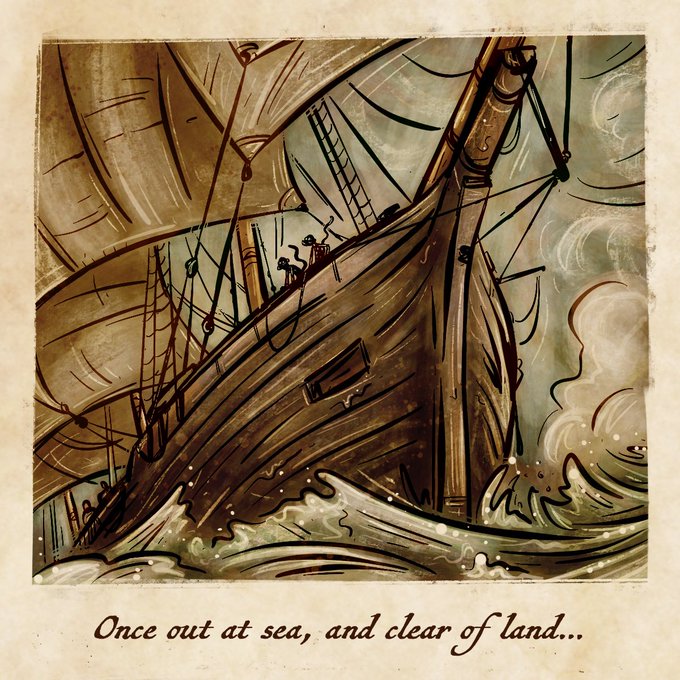
Hey @sljournal how are talking about anti-racism, racial violence when the June 2020 issue has this cover and includes that comic strip? We need to put images and narratives into social, political, historical, geographical and colonial context.
CW
https://t.co/DLJPd5lYuC


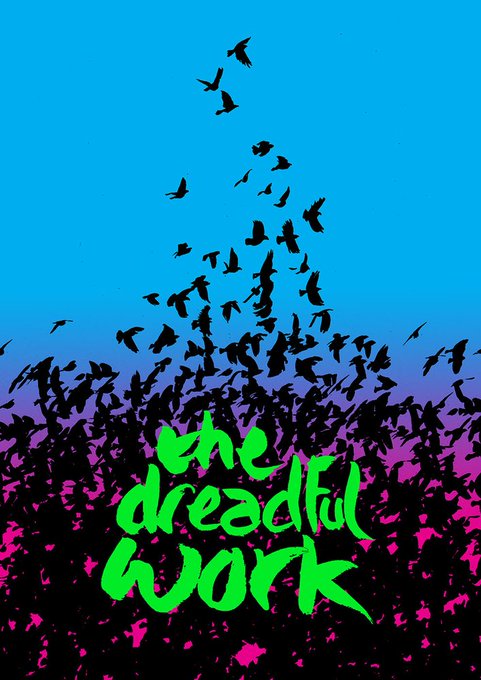


Comics of unfriendly romance and geographic terror. Get yourself involved:
https://t.co/S0Go357V6v




This colorful 1892 map shows population density across the United States and includes the nation's geographic center of population from 1790 to 1890!
Take a closer look here: https://t.co/elltqhBvb2


This new episode of National Geographic is so informative. Did you know that a giraffe's tongue is 45-50cm long? See you tomorrow giraffe Levi. I hope Elon Musk also sees the potential of, not only catgirls, but giraffe boys too as the future of genetic engineering. 🤣💖🤣🐍🦒



> Connection to command T-doll lost.
>> Attempting to contact field HQ for further instructions.
> Connection request timed out.
>> Tracing retreat route to nearest allied base.
> Geographical data corrupted, route cannot be established.


I love travel and I love what a lot of organizations are doing to showcase our beautiful world. Let's travel to Italy's Amalfi Coast through this National Geographic Video. #NatGeo
https://t.co/3AGGx3lMN2


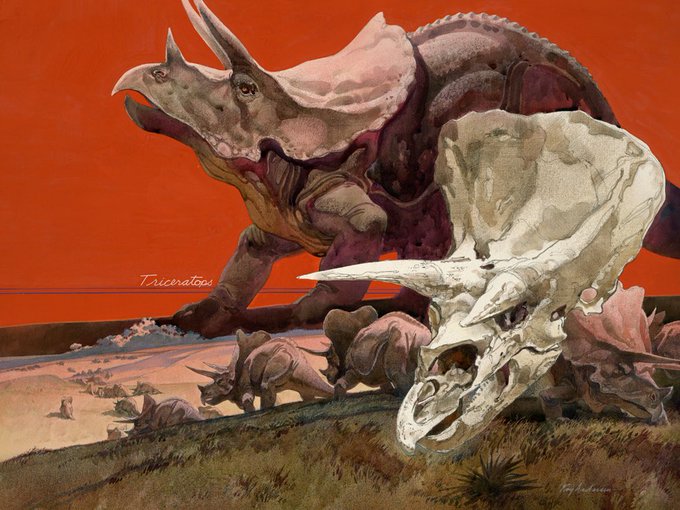
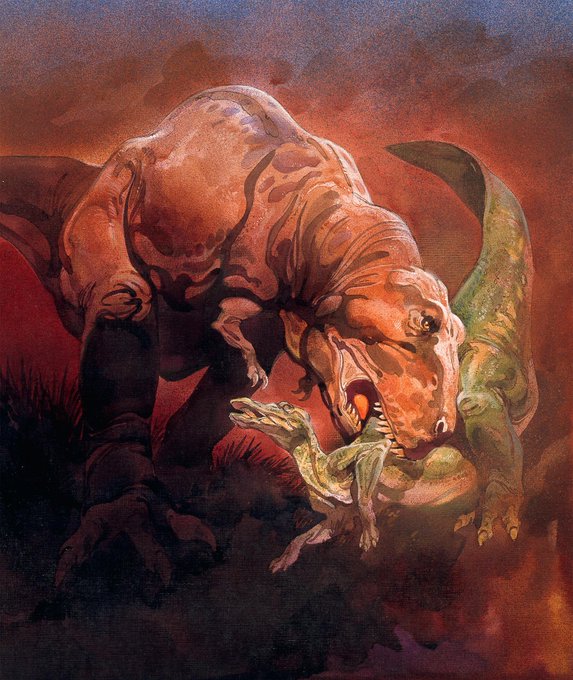
I absolutely love these dinosaur paintings Roy Andersen did for the Aug. 1978 issue of National Geographic. The dinosaurs themselves are no longer accurate, but they’re rendered with such depth and energy. Plus, the color palette for each of them are so striking and eerie.

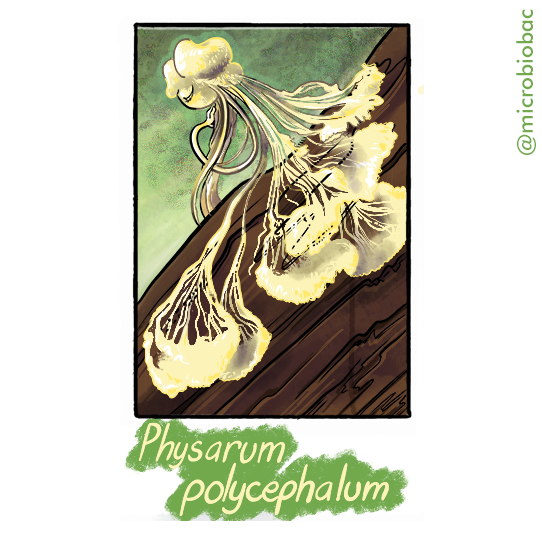
🔹Physarum polycephalum es una protista con diversas formas celulares y una distribución geográfica muy amplia, que incluyen las superficies de árboles en los bosques.
🔹P. polycephalum is a Protist with diverse cellular forms and broad geographic distribution, including forests.





On April 30, #AllstonBrighton students can journey on a space expedition to compare Earth’s geographical features to other celestial bodies & design an animal that can survive in an extreme off-Earth environment. RSVP today for free! https://t.co/1FX6ySDjZB


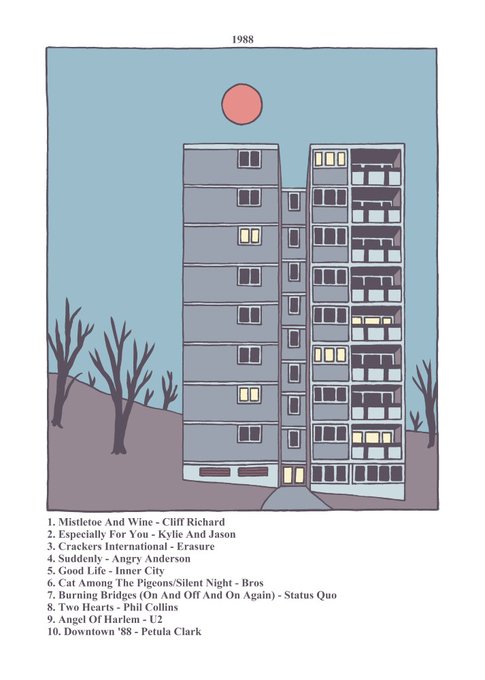
This week at Broken Frontier... we looked at new work from @T_J_Bird in MIDWINTER (1982-1998). https://t.co/vxh7jvGyib More unmissable psychogeographical meditations with a pop cultural twist.


According to Strabo's Geographica (7 BC) there was a law on the city of Iulis, Keos where "those who were over sixty years of age (were obliged) to drink hemlock, in order that the food might be sufficient for the rest."


🐼 The larger North American mammals.
Washington, National Geographic Society, 1916.
https://t.co/x60dZXanr3

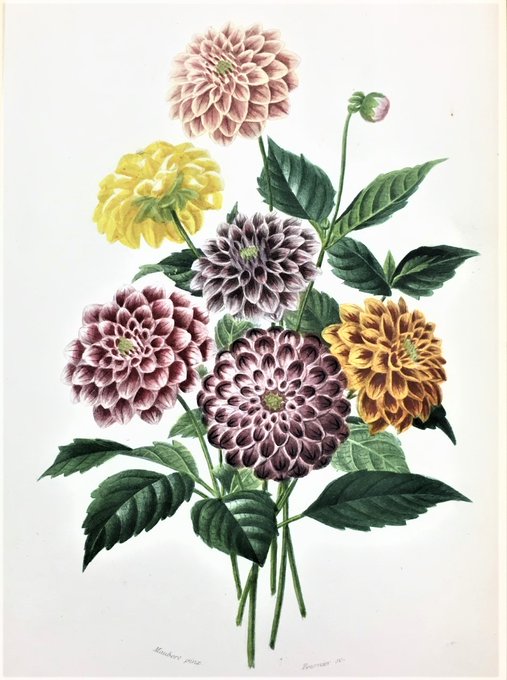

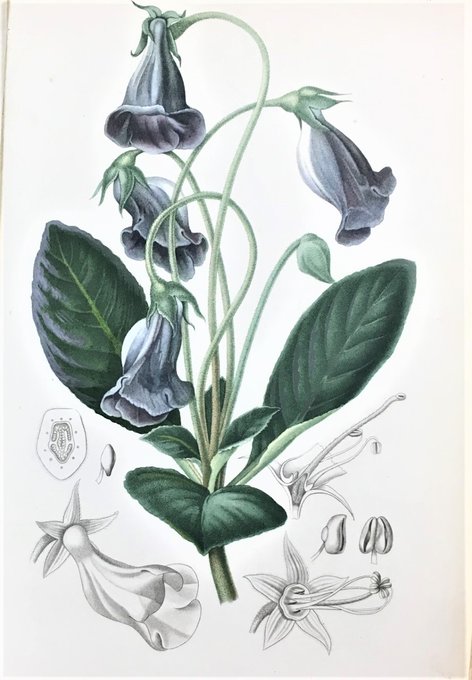

Today we present botanical illustrations from our American Geographical Society Library’s set of French natural history books 'Dictionnaire universel d'histoire naturelle.' Learn more about the books here: https://t.co/g9WDX7GGvB


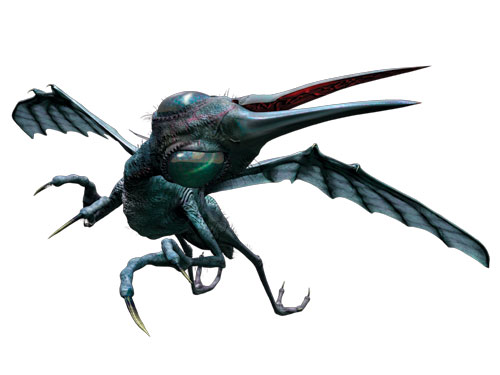

Does anyone remember National Geographic's mocumentary "Extraterrestrial"?


A lot of new content was added to the K-12 Library Media Resources section of the NRPS Extended Learning Website today. Highlights include eBook collections for PreK-Grade 12, content from National Geographic at Home, and more. Check the Site often for updates!