SCIARTのTwitterイラスト検索結果。 6,563 件中 197ページ目


The long-leaf sugarbush (Protea longifolia) is native to South Africa. #SciArt drawn and lithographed by C.F. Schmidt for "Icones plantarum rariorum Horti Regii Botanici Berolinensis" (1840-44), freely available in #BHLib via @Kew_LAA ➡️ https://t.co/YyqtMJwjyA #BotanicMonday

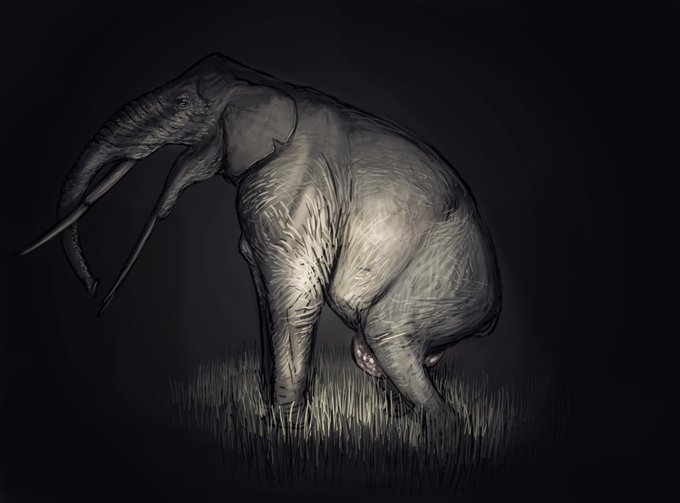
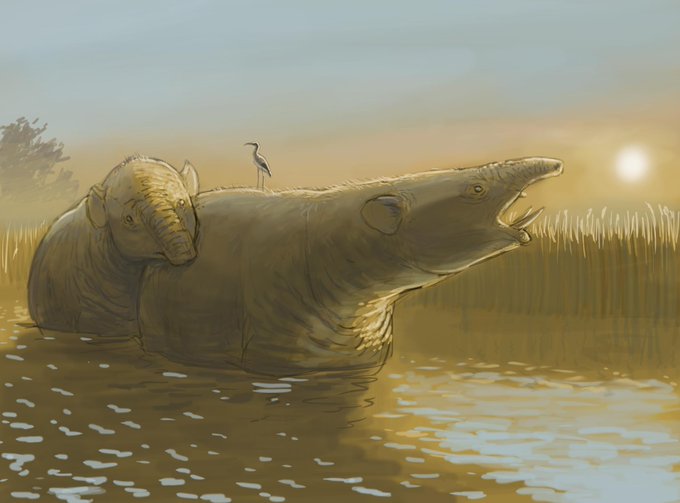

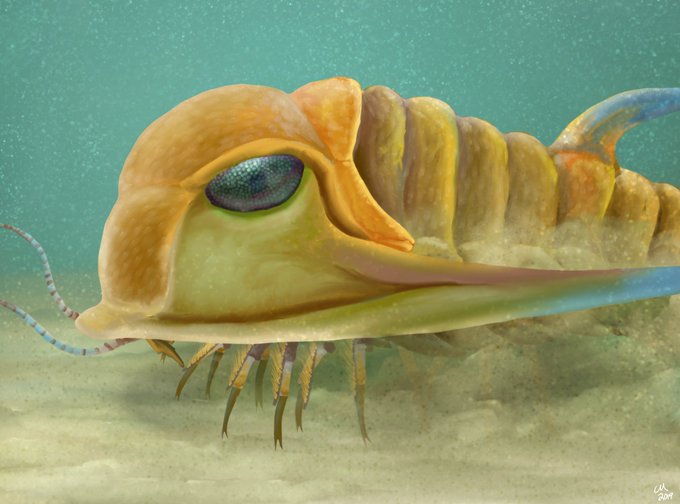
Results from the stream!
Stegotetrabelodon (giving birth), Barytherium and Numidotherium (yes, it is that weird)
Also: Sketch of the night by @Prehistorica_CM Chomatopyge.
#paleoart #animals #sciart #elephant #nightvision ...


Results from the #paleostream!
Mystriosaurus, Hylonomus, Magnapaulia and Garagnornis.
#paleoart #animals #sciart #dinosaurs #sketches


I just found out that today is #InternationalRabbitDay so I decided to quickly sketch one of the oddest extinct rabbits, the LARGE (50 cm tall, about 15-20 kg) Nuralagus rex, which lived on the island of Menorca 5 to 3 million years ago (Miocene and Pliocene) #paloeart #sciart


#SpaceX's #Starship Mk. 1 kind of looks like a slimmed-down version of Bonestell's "Separation of the Third Stage." He painted it many times. I think Bonestell would be very proud right now! So excited! 👨🚀🚀👩🚀#spaceart #sciart https://t.co/Cf5AeLfHX3
Courtesy Bonestell LLC https://t.co/T7l0AWAvBJ

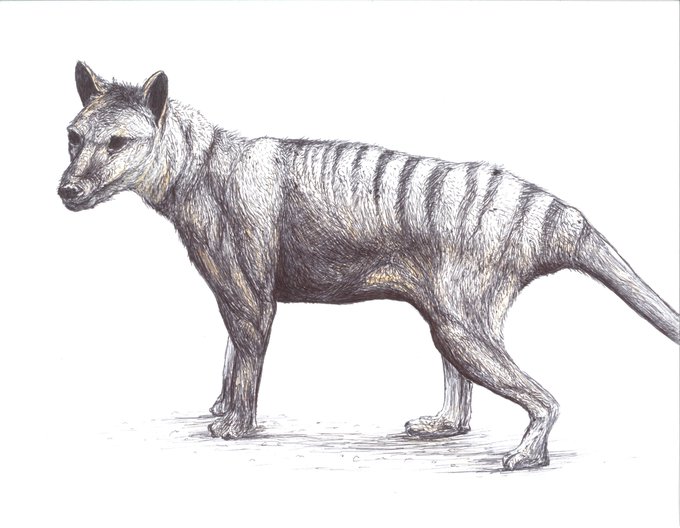


It’s apple season! This image is from Hugh Ronalds’ (1760-1833) book ‘Pyrus Malus Brentfordiensis’ (1831) #botanicalillustration #sciart @NBGGlasnevin


"Des champignons comestibles, suspects et vénéneux" (1827-28) is a rare mycological work with #SciArt depicting 200 mushroom species arranged according to edible, suspect, and poisonous species. Explore it in #BHLib via @LloydLibraryMus ➡️ https://t.co/AbQcxQziwt #FungiFriday


*Breastfeeding* by scientific communications company @visualmedics
"A poorly attached baby does not take enough breastmilk and this can lead to a blocked milkduct or mastitis for the mother."
Portfolio: https://t.co/RM3plmQxvG
#medicalillustration #breastfeeding #SciArt


My latest #sciart piece "A Modern Nest" is the start of an exploration of human impact on surrounding species
Nature is not something all the way out there, it is a system all around us that we are a part of.


Who lives in the woods is a comprehensive look at the bugs, amphibians, reptiles, birds and mammals that can be found in a forest. #sciart #scicomm #WednesdayMotivation
You may grab this illustrated picture book in my #etsy store: https://t.co/2pp9AphmAD


New #PalaeoPoems post out tomorrow! "The Petrified Fern" by Mary Bolles Branch is about how time may reveal the worth of an apparently "useless" thing, like a very small fern. Featuring super awesome guest art by @fatty_box! #PaleoArt #SciArt #PaleoBotany #WomenInScience


Giganotosaurus (upper) and Mapusaurus (bottom). I later learned on a Theropod Discord Group that my Giga is actually too fuzzy, but otherwise I'm happy with the results. #palaeoart #sciart #dinosaurs #dinosaur #giganotosaurus #mapusaurus
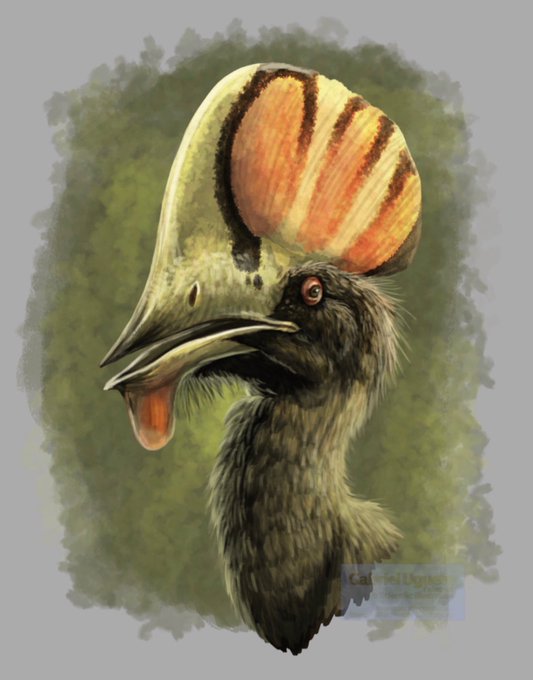
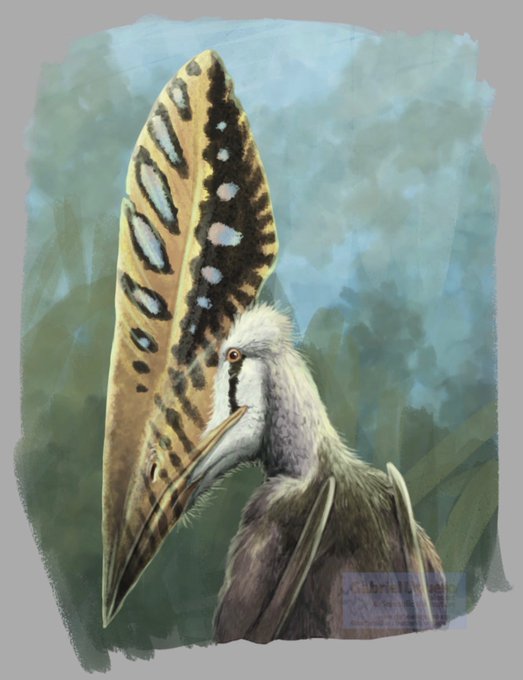
Two digital morning sketches for today´s #PterosaurPtuesday. Portraits of Europejara (left) and Thalassodromeus (right), two Cretaceous #pterosaurs that possessed large, distinctive crests. #paleoart #sciart


Gregory Mathew's spectacular "The birds of Norfolk and Lord Howe Islands and the Australasian South Polar quadrant" (1928) is now online, digitised for @BioDivLibrary from @museumsvictoria's rare book collection thanks to @atlaslivingaust: https://t.co/a8zEii4VH5 #SciArt


First official day of fall means new wintry critters now in the works, starting with this little lynx inspired by my winter in Denali.
#lynx #sciart #wintercritters #natureart #mountainart #illustration #pnw #pnwonderland #alaska #denali #denalinationalpark #wildlifeart


@bighippoart Hi, I'm an illustrator who focuses a lot on #sciart & #scicomm, with a bit of #fantasy illustrations here and there!


I'm painting again! Here's a sneak peek of something fishy I'm currently working on. #SundayFishSketch #SciArt #WIP

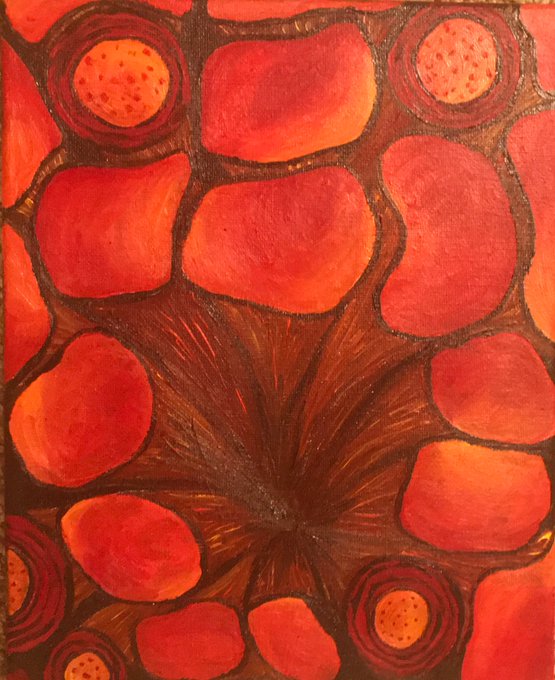
Fiery Synapses: My new 8x10” acrylic painting showing axons and synapses in central nervous system. #sciart #neuroscience #neuroart #dendrites #bioart #neuronart #slukaart #kathleensluka #neuronart #scienceart #medart