EdTwitterのTwitterイラスト検索結果。 3ページ目


Orbitozygomatic craniotomy. Work in progress for the latest Seven Cavernomas article on basal ganglia cavernous malformations @mtlawton @BarrowNeuro #medtwitter #skull #OZ


The processing of sound waves from a musical instrument.
Source: @NatureNeuro
#neuroscience #MedTwitter


“Shy.” (A break from weightier artwork for a few more anthropomorphic organs… This time with urologic flare.)
#urology #MedTwitter

The core brain system that mediates past and future thinking.
Source: @NatureNeuro
#neuroscience #MedTwitter


The anatomy of sleep.
Source: @NatureNeuro
#neuroscience #MedTwitter

Why your brain needs exercise?
Credit: Tami Tolpa
#neuroscience #MedTwitter

Three accounts of the neural basis of an advance in behavioural abilities in infants.
Source: @NatureNeuro
#neuroscience #MedTwitter


#IARTG #KindleUnlimited #KindleBooks #MedTwitter #BookTwitter #goodreads #surgery #Pharmaceutical #bookworms #booklovers #Reading #books
Sometimes there's corruption where you least expect
it!
https://t.co/f6pLkBCoTs
#Mustread #Medical #suspense...


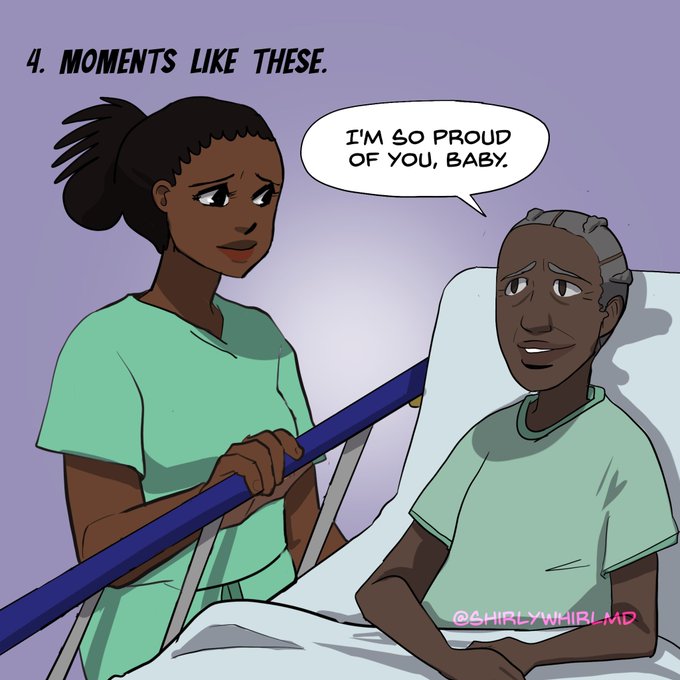
Things I LOVE about being a #blackdoctor #bhm #blackhistorymonth #medtwitter


My two new year's resolutions this year are: 1, Thank and try to give back to the people who gave so much to me. 2. Keep my phone off silent mode.
Happy V-day, my friends. Thank you.
Base: @damso_2018
(1/2) @Syunthia @can_heu_not @/whatstedtwitterah @96Utopia @vtuberkyarrots

#IARTG #KindleUnlimited #BookTwitter #KindleBooks #ASMSG #pandemic #Reading #goodreads #MedTwitter
A lazy day on a #Tennessee lake turns into a global
problem!
https://t.co/7QXIHkK0BN
#Audiobook, #ebook, or #paperback... a #Medical #suspense #novel for your #weekendreads.

Added a little section through the frontal lobe to better show the trajectory of the supracarotid-infrafrontal approach to globus pallidus cavernomas #neuroscience #NeuroTwitter #MedTwitter https://t.co/fAH1aK9zCa

Neural model of resilience to trauma—pre-trauma factors, peri-trauma predictors of resilience, and recovery factors.
Source: @NatureNeuro
#neuroscience #MedTwitter

The human amygdala, basal ganglia and insula.
Source: @NatureNeuro
#neuroscience #MedTwitter

Two main types of stroke and their causes.
Credits: Mahdad Jafarzade Esfahani/University of Twente
#neuroscience #MedTwitter

A ventral view of the human brain showing the early visual pathway.
Credits: Rebecca M. Mirochnik & John S. Pezaris
#neuroscience #MedTwitter

Functional areas of the cerebral cortex.
Credits: Kayt Sukel
#neuroscience #MedTwitter


#OTD in 1898, the french #surgeon Jules-Émile Péan died at the age of 67. He was the first to successfully perform splenectomy and pyloric resection for #cancer treatment. A hemostatic forceps is named after him.
#histmed #historiamedica #surgery #medicine #medizin #medtwitter


Normann Barrett (1903-1979) was the first to coin the term "gastroesophageal reflux" to indicate the abnormal reflux of acidic material from the stomach into the esophagus and was the first to describe the esophageal columnar metaplasia that bears his name.
#histmed #MedTwitter