phylogenyのTwitterイラスト検索結果。 3ページ目


The 5th chapter of my #phd thesis was just published early access via @CSIROPublishing. A great collaboration including @johnjennings992, exploring the first molecular phylogeny focused on the genus Gasteruption. Great to get this out finally! #wasplove
https://t.co/jeBxIEuxiy


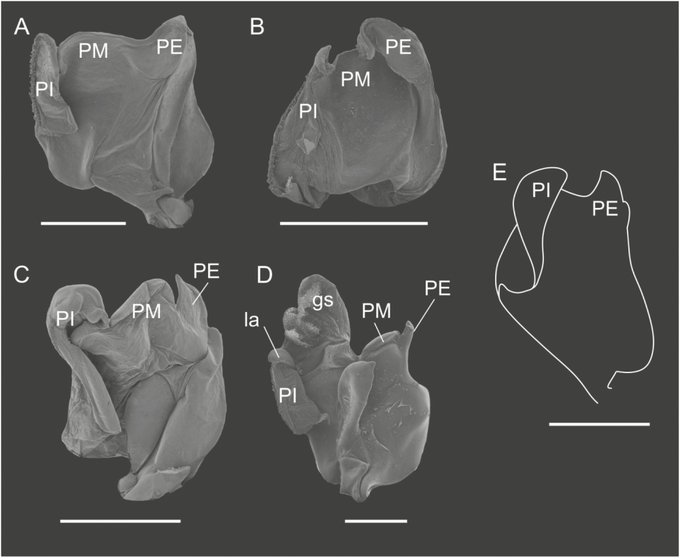
Molecular & morphological analyses of #DeepSea shrimp genus 𝘉𝘦𝘯𝘵𝘩𝘦𝘰𝘨𝘦𝘯𝘯𝘦𝘮𝘢 reveal 2 #NewSpecies!
#Phylogeny #Evolution
See it now in our December issue: https://t.co/ua0Tlr2lcS
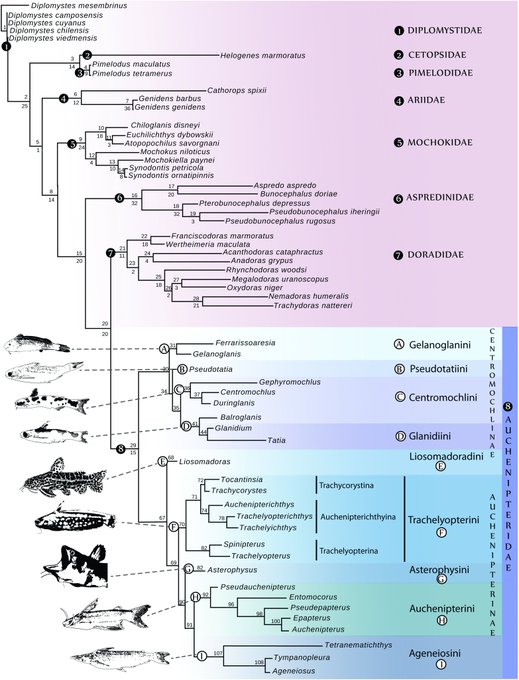
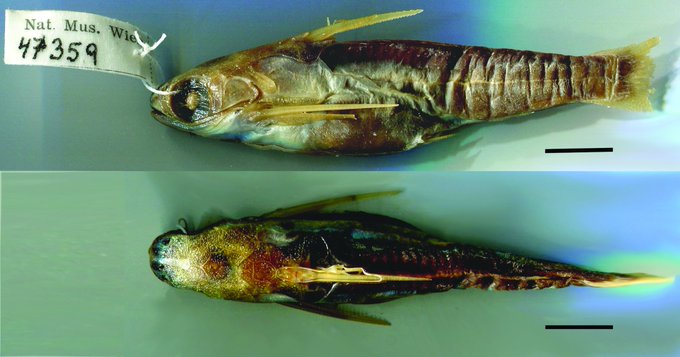
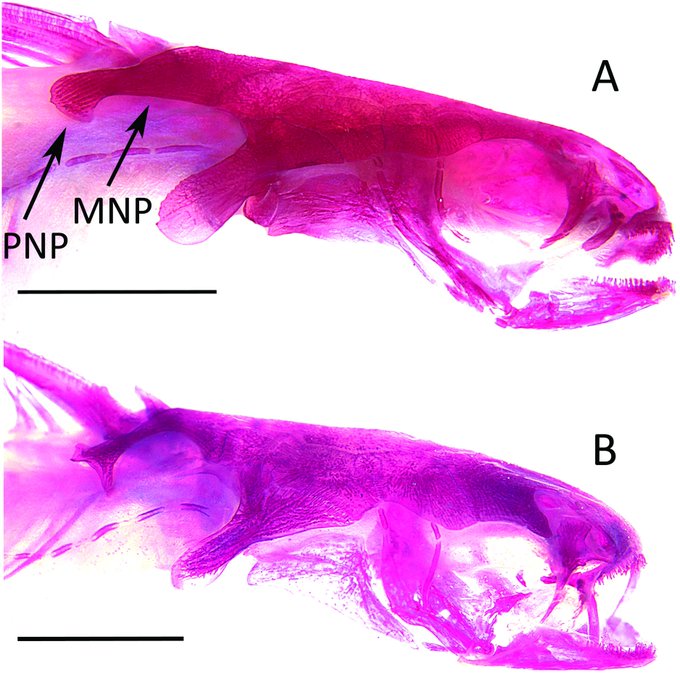
The largest ever #phylogeny, using both morphological and molecular markers, of Auchenipteridae, the driftwood catfishes, is out now in our November issue! https://t.co/ZezaxtKbAE


Continuing with the grass type pokemon phylogeny! Which ones are animals with plant traits and which are plants with animal traits? Which ones are none of the above?
https://t.co/i9f4UB1OGS


The first densely sampled #MolecularPhylogeny of the predatory click-beetle tribe Drilini reveals a gradual evolutionary transition to soft-bodiedness, an origin in the Late #Eocene, & multiple #NewSpecies & #NewGenera.
Find out more in the October issue: https://t.co/NjRPoqYOq3

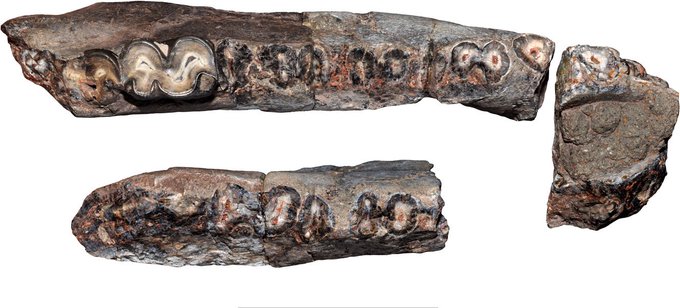
New online: McGrath, Flynn & Wyss – Proterotheriids and macraucheniids (Litopterna: Mammalia) from the Pampa Castillo Fauna, Chile (early Miocene, Santacrucian SALMA) and a new phylogeny of Proterotheriidae https://t.co/TQdF2RVJI7


my hot take is lusii are all dragons, which is how they are able to display such a wide variety of phylogeny despite being the same species


A new phylogeny of the #armadillo genus Dasypus suggests major diversification occurred in the #Pliocene and finds strong evidence for a potential new species on the #Guiana shield. Find out more in our July Issue: https://t.co/v60Az6IQR6 !


Some sloth palaeoart with this report on new studies on sloth phylogeny: https://t.co/PuQKv1gbqz


Fun article by @GretchenVogel1 looking into the phylogeny of extinct sloths using 100,000-year-old collagen @sciencemagazine “There are loads of different extinct sloths that we could add to the tree,” Presslee says. “That’s the next step.”


Re-examining early amniote relationships - high resolution CT scan of early neodiapsid reveals new details relevant to palaeoecology and phylogeny https://t.co/phETecLtvK @DavidPaulFord @BensonLabOxford @earth_wise

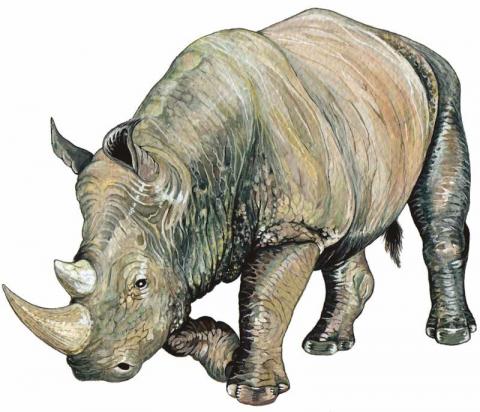
#paleoproteomics reshuffles the phylogeny of Pleistocene rhinos using ~1.77 million y. old proteome sequences from Dmanisi. This extraordinary breakthrough extends molecular phylogeny based on fossils far beyond the range of preservation of ancient DNA.
https://t.co/ClNR9r7Q6F


A deep dive into turtle phylogeny just out in @ThePalAss, featuring oodles of CT data archived in @MorphoSource. Congrats to @SirJoscha & @BensonLabOxford! https://t.co/5x4x6MKUMs


new phylogeny of tetras and allies (4th largest fish family) based on huge morphological dataset: 520 characters for 473 species, including several fossils
Morphology, molecules and the phylogeny of Characidae (Teleostei, Characiformes)
https://t.co/2rANtNI2xH

Morphology & phylogeny of fossil snake mackerels and cutlassfishes from Eocene London Clay Fm (Isle of Sheppey) https://t.co/CvnbrNV8mA #FossilFriday


With all this new discussion about dinosaur phylogeny, it's important to remember that at least #dinosaurs are still a monophyletic group.


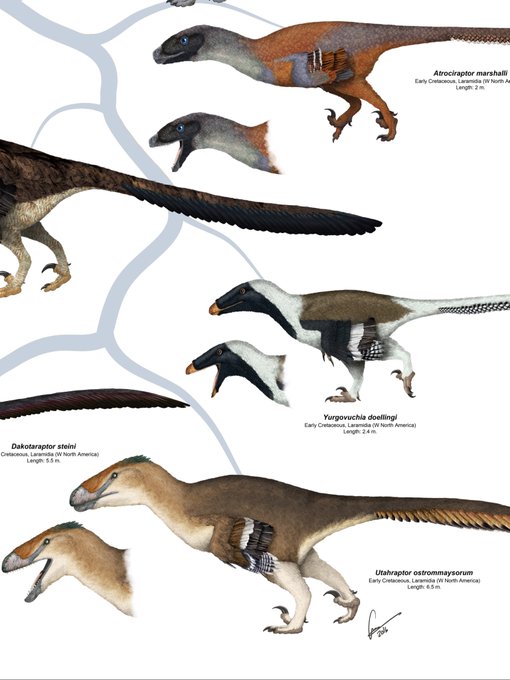

Dromaeosaurid #dinosaurs. Phylogeny poster. Prints at https://t.co/1CLpslRx7q #paleoart #sciart


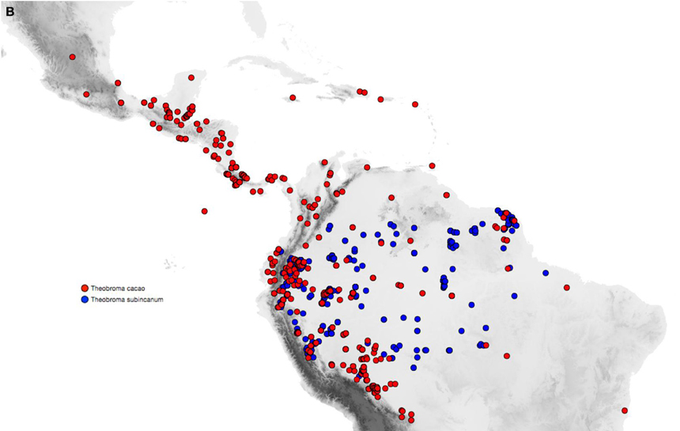
The age of #chocolate: a diversification history of #Theobroma and Malvaceae
https://t.co/e4BF0bGIYw
#phylogeny