SCIARTのTwitterイラスト検索結果。 202ページ目


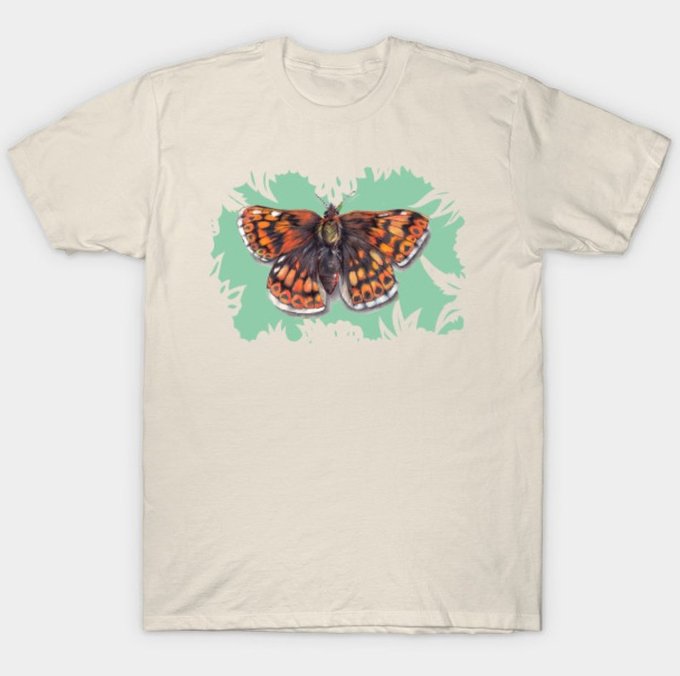
Since it's #wildlifeWednesday I thought I'd point out that Duke of Burgundy #butterfly #illustration is now on @TeePublic! Find it here:
https://t.co/T4zFpuOpHy #WednesdayWisdom #sciart


We're tweeting lab safety tips until school starts back up! 🧪 These are from our lab safety video: https://t.co/GG8yAhpM9T and some are available as posters on @RedBubble! https://t.co/O8JS5nZ3PQ #sciart #backtoschool


This illustration by medical artist Todd Buck was designed to explain the affect of morphine as it suppresses pain signals within neurons.
View Todd's portfolio: https://t.co/rZMp3SgDzA
#medical #medicalresearch #scientificresearch #SciArt #sciencecommunication


The Dana octopus squid is an 8-armed squid whose tentacles are reduced or disappear by the time they reach adulthood. Also, those lidded photophores are the largest known light-producing organs found in any animal.
Taningia danae
#MolluskMonday #SciArt #SciComm


#skincancer #nano vaccine! Great piece of research by the Satchi- Fainaro lab of @TelAvivUni @AFTAU, featuring my #illustration. Published this week in @NatureNano @nresearchnews #cancer #sciart #gnsi #medicine

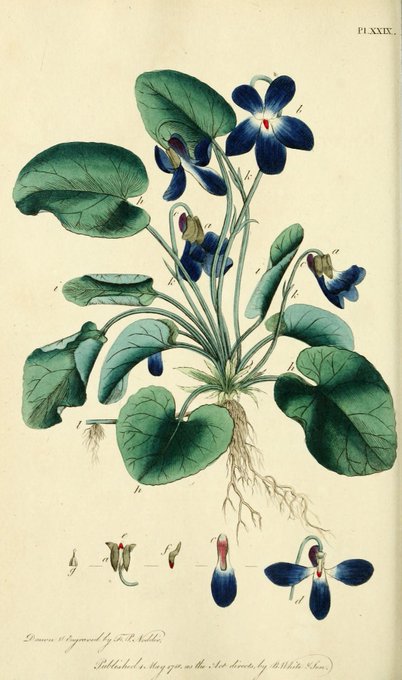
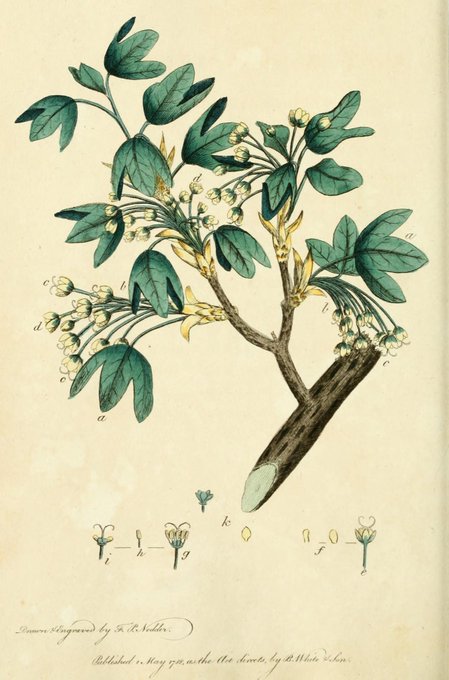
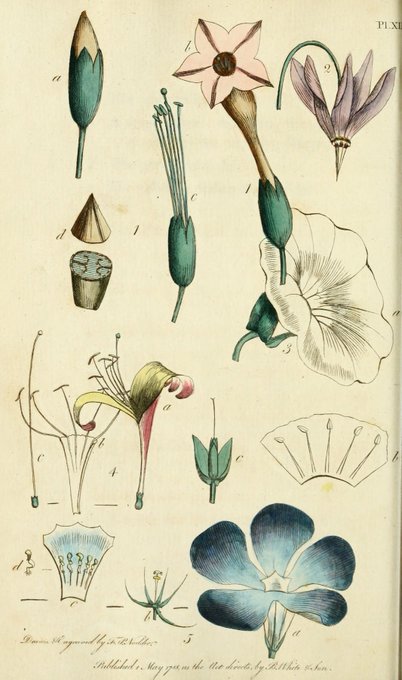
The #SciArt (by Frederick Polydore Nodder) in Thomas Martyn's "Thirty-eight plates, with explanations" (1799) was intended to help illustrate the structure of plants and their place in the Linnaean system. View the work in #BHLib via @Fisher_Library ➡️ https://t.co/06fSBcPlXV


Thanahita, essentially meaning “water goddess”, was a very strange Lobopod. Instead of traditional sclerites running down the trunk (one per segment), it had weird shrub-shaped structures that ran down its back. It also had two kinds of claws.
#Paleoart #Palaeontology #SciArt


For this week's #sundayfishsketch I re-present my shortfin mako #shark. I hope to do some more aquatic-themed art at @Lboro_Uni_Arts too 🦈🎨
#SharkWeek2019 #sciart #sharkweek #wildlifeart


I is for Iguana
I have an iguana,
A plucky little fellow.
I fed him on banana
And now he’s turning yellow.
Poem by @mooseandmouse #WestBestiary #ChildrensBooks #illustration #kidlitart #poetry #iguana #sciart


When is a shark not a shark? When it’s a ghost shark
Ghost sharks are actually fish, whose closest living relatives are sharks
‘Ghost shark’, I’ve just discovered, is also the name of a B-grade horror movie that I DEFINITELY want to watch
#SharkWeek #RareBooks #SciArt #OldBook


Since I did this sketch on Procreate I can share the video of the process. So here is the time lapse of how I sketched this pair of Xenoceratops #paleoart #sciart #ceratopsians

When the existential crisis hits...
#SharkWeek continues with this spinous #shark from ‘A history of the fishes of the British Islands’ by Jonathan Couch (1862-65)
#RareBooks #library #illustration #SciArt #OldBooks


My contributions to @JoschuaKnuppe's Skull Island challenge! I loved participating in this, and even more getting several creatures in :d #sciart


I couldn't do only one for #jelliesinjuly - Jellies in Space, of course. This technique was such fun, I had to do a second one. This is C. sericeum being coy, in outer space!
What do you think of this nebula-esqe technique?
#artchallenge #sciart


Physicist and mathematician Katherine Johnson, one of the stars of "Hidden Figures", worked at NASA to manually calculate the orbital trajectory of the Friendship 7 mission. She was awarded the Presidential Medal of Freedom in 2015. #WomenInSTEM #SciArt

Meet Cambroraster, a new Hurdiid from the Marble Canyon region in close proximity to the Burgess Shale. This animal is... incredibly weird, even for a Hurdiid. It had a tiny body, a giant, spiked head shield, and very strange appendages.
#Paleoart #Palaeontology #SciArt


Gelastocoridae es una extraña familia de #Hemiptera. Son comunmente llamados #chinches sapos o #sapitos de barro.
#science #sciart #sciartist #scicomm #scienceart #picoftheday #love #nature #lifeisgood #bestoftheday #insects #digitalpainting #biodiversity