specimensのTwitterイラスト検索結果。 583 件中 24ページ目


For this weeks #FridayFloraFauna here is a lovely sketch that was probably used for teaching purposes. It's based on specimens collected by Lyell & figured by Bunbury. Miller illustrated the published text....but these are very much #ArtistUnknown 🔍🎨🌿 #ExploreYourArchive


Sea Life Specimens by Vlad Stankovic. Art via https://t.co/oK22m0GqzC.

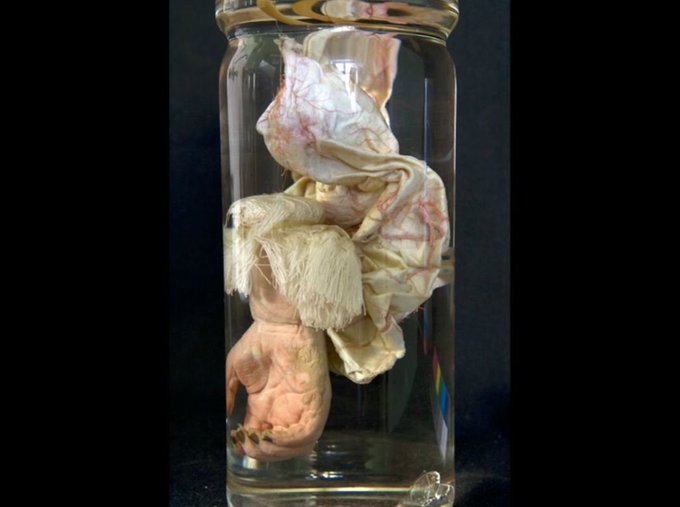
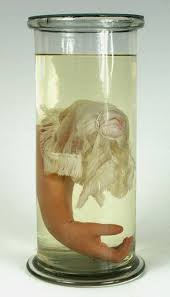
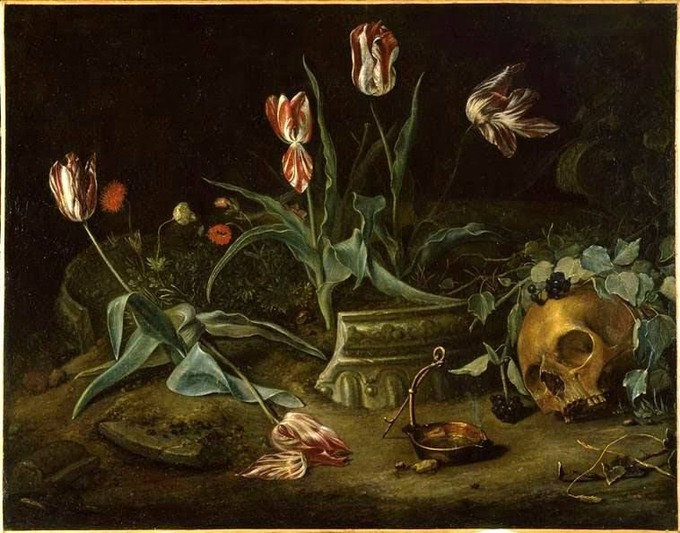
@maxbanshees HIS LIMB SPECIMENS........ EXQUISITE. EFFERVESCENT
his daughter would actually make the lace for the sleeves, and she later became a painter of floral and vanitas scenes


Elinor Frances Vallentin collected hundreds of plant specimens from the Falkland Islands. She illustrated many of these in her 1921 work on Falkland Islands botany, which is freely available online in #BHLib via @FieldMuseum ➡️ https://t.co/N1E0DPjDtj
#HerNaturalHistory


Web Spinner was a spider BOW made in the Arklay Lab's early stages of t-Virus research, since gene editing was easier on creatures with ancient body structures. The t-Virus α strain was discovered in these specimens & they were disposed of, except some kept for data use. #REBHFun


The museum needs more specimens and @ShawnTails is on task ! The dapper fella is suiting up for adventure against all manner of weather and local conditions to get those hard to access species prowling around
#ZTVillage by @Cheetahtrout !
#AnimalCrossing #ztxp


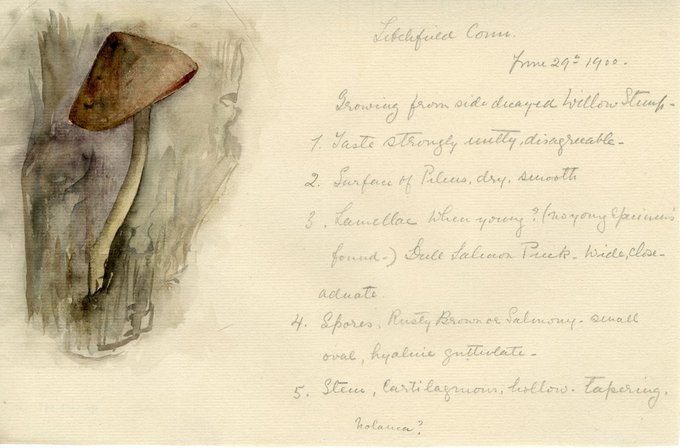
#DYK Mycology is the study of fungi—mushrooms!
Violetta White Delafield was an early 20th century American botanist and mycologist who produced hundreds of beautiful drawings & watercolours of mushroom specimens.
A collection of her illustrations: https://t.co/2MViRZpOwo 🍄🎨


Seaweed collecting was a popular Victorian pastime, with enthusiasts including Queen Victoria and George Eliot. ‘Ocean flowers and their teachings’ (1846) contains pressed seaweed specimens and was perfect for budding phycologists!
#BritishScienceWeek #RareBooks #Phycology


The Burnet Moth
I am impatiently waiting for the first #butterflies to emerge whilst working on a project from those less fortunate specimens in cases. Still beautiful!
#watercolour #watercolor #lepidoptera #illustration

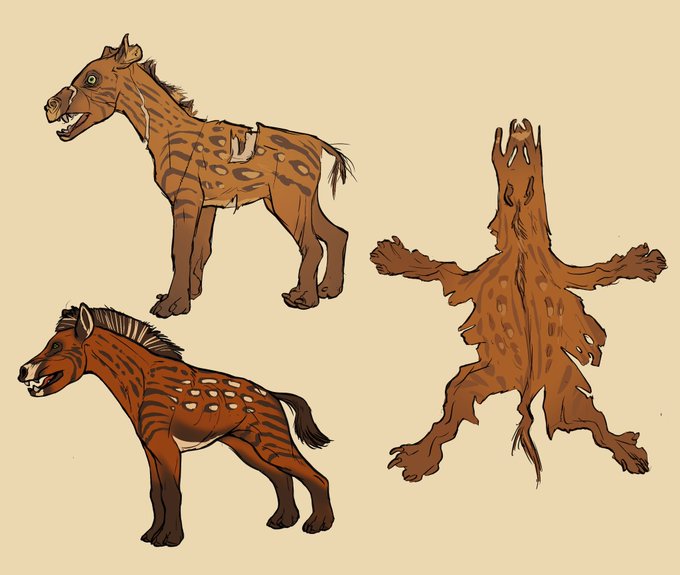
The extinct African subspecies of carnivorous horse. Having been wiped out in the early 1800s, this animal is only known today from a small handful of poorly preserved taxidermy specimens.


Have you checked out @adobestock collection of 20 3D insects inspired by specimens available on the Museum's Data Portal? Find out more about https://t.co/NHvBgHNNxF


Some of my other questionable attempts at getting back into 3D include the following specimens:

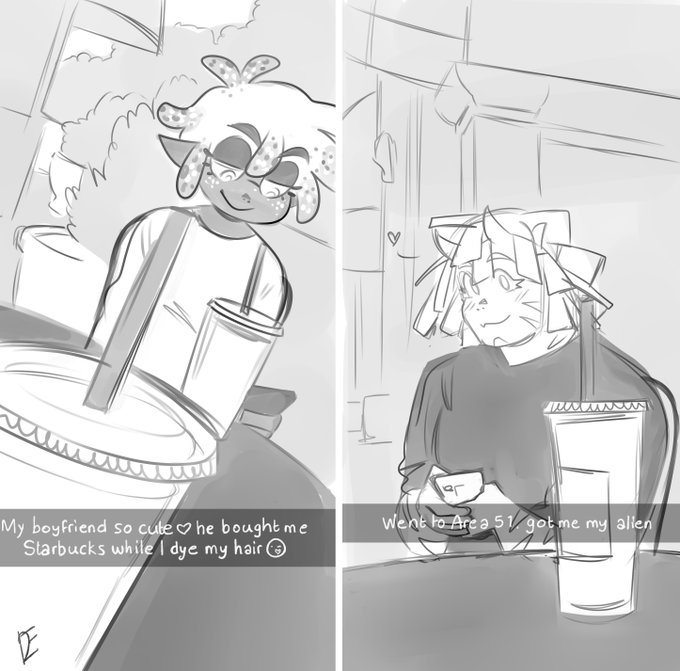
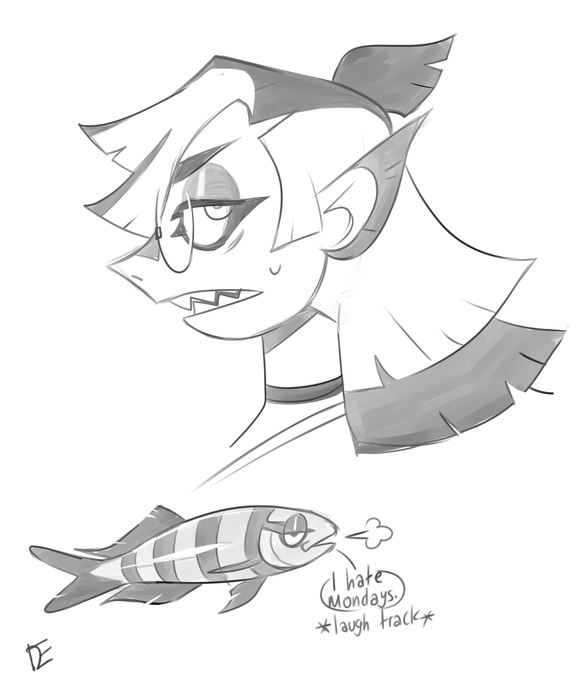


More misc Beta Unit related doodles. The fish lady is Raziel, she searches the metro and locates "specimens", and the inkling is my Agent 3, he's kinda arrogant and doesn't get on well with the Beta Unit team.

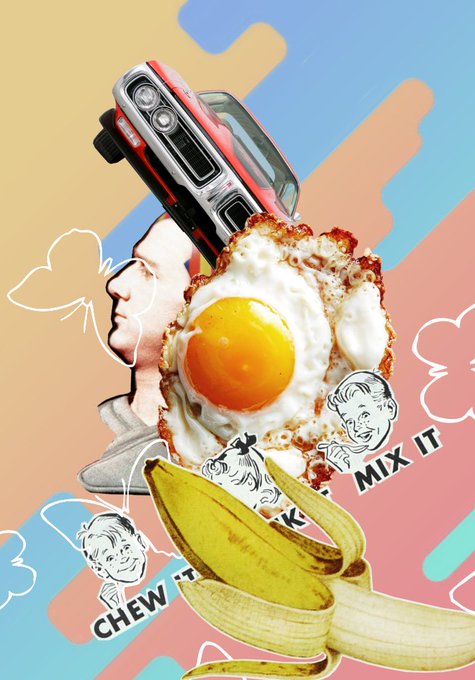

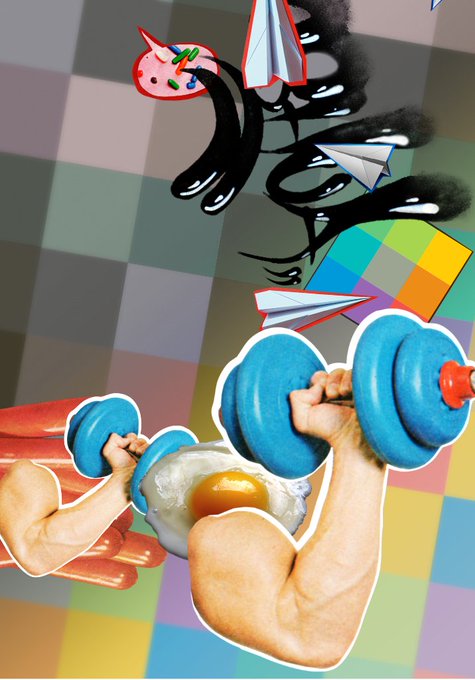

Yet more specimens of disoganised order & organized chaos. 🌀
#generativeart #artmachine #artgame #digitalart #game #digitalcollage #collage #Mashup #blockchainart #popart #art #cryotoart #collageclub #cryptocllectibles #design #digitalcollectible #raredigitalart


Quick Equus occidentalis (Western horse) study
based on La Brea specimens

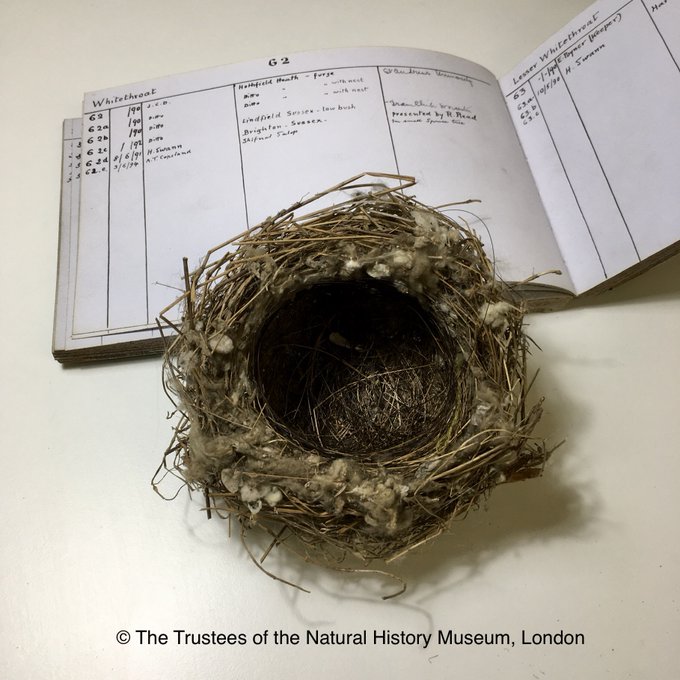


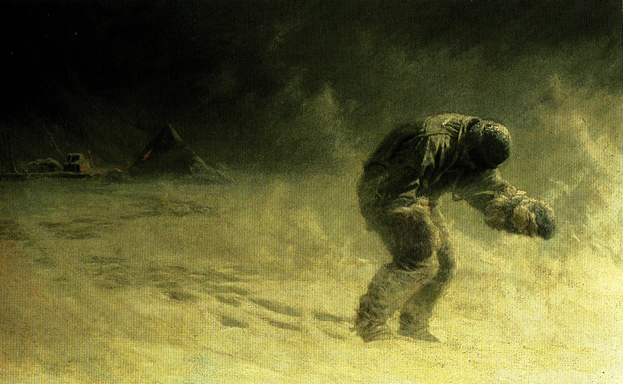
Curating the nest collection of John Charles Dollman (1851-1934). He was a celebrated painter e.g. his famous painting of Lawrence Oates 'A Very Gallant Gentleman', but his work as a naturalist is less well-known. I am gradually reuniting his specimens with his egg catalogues.


Edna L. Beutenmüller created #SciArt for several books on insects, including over 700 for "Field Book of Insects" (1918), based largely on specimens from @AMNH where her husband was curator of entomology. Via @MBLWHOILibrary ➡️ https://t.co/Opmy4qSbNZ
#HerNaturalHistory


Specimen for Estro (typeface by Aldo Novarese), Società Nebiolo, Italy, 1961. See more of this and other Nebiolo specimens in the Online Archive: https://t.co/TCqFc4cEvg


Don’t forget the #RSPB #BigGardenBirdWatch this weekend! We’ve spotted some rather splendid specimens in an illustrated volume by the 18th century naturalist Pierre Joseph Buchoz.


I'm happy to see that the A. jimmadseni name has finally been formalised. A truly wonderful set of specimens, congrats to Chure & Loewen! On a nostalgic level, it's also nice to see that good ol' "Big Al" has at last been formally assigned to a species! https://t.co/ZUkNeIUnTH