SCIARTのTwitterイラスト検索結果。 245ページ目


You vs the proboscidean she tells you not to worry about #paleoart #paleontology #sciart #scientificillustration

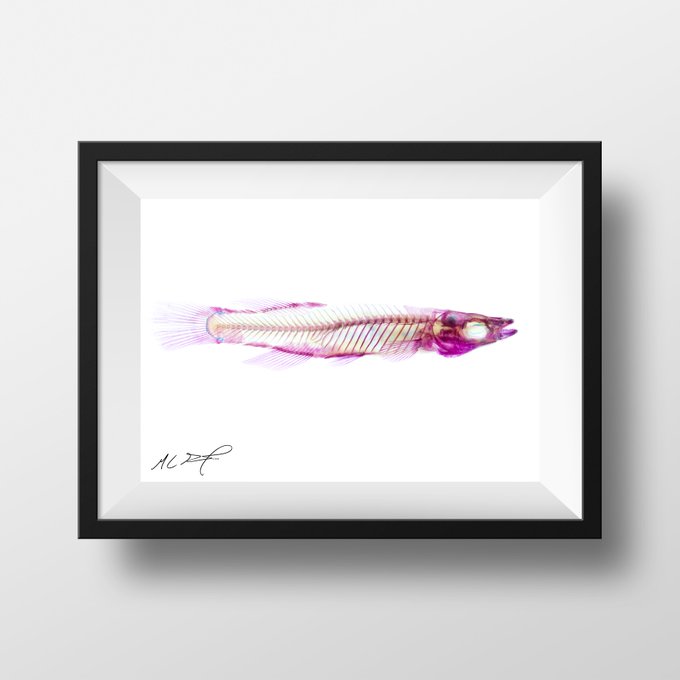

I revisited one of my older images and decided that I was unhappy with it. So, I re-imaged the specimen from scratch, knowing I could now do better. Fundulus olivaceus, a blackspotted topminnow. https://t.co/mB5DS1g3Eq
#SciArt #Ichthyology #Anatomy #Science

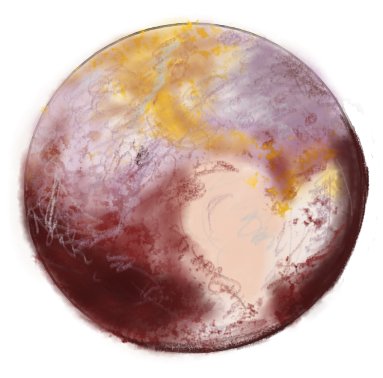


#DrawDinovember Day 21
Prompt: #Pachycephalosaurus
Growth stages of Pachycephalosaurus that I illustrated for the Pacific Science Center last year!
#Paleoart #Sciart #Dinosaur @DrawDinovember @PacSci @TomHoltzPaleo

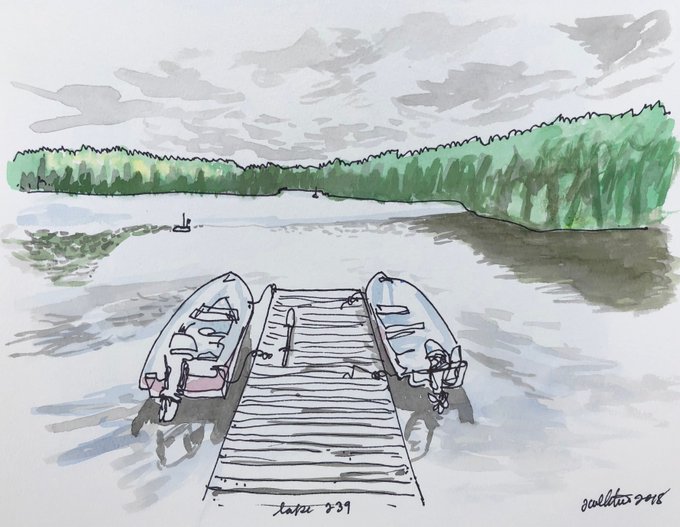
The cat is not only out of the bag, but she has bolted down the street. It's official—we are launching an Artist-in-Residence program! If you're an artist, come join us next summer to be inspired by science and natural beauty. Please RT... https://t.co/D99N04H3nE #sciart #scicomm


Tausch's "Hortus Canalius" (1823) describes and illustrates a selection of the plants found at the botanical garden of Emanuel Joseph Malabaila von Canal. It features #SciArt lithographed after F. Both. Explore the work in #BHLib via @HarvardLibrary ➡️ https://t.co/vYmiWxL8gX
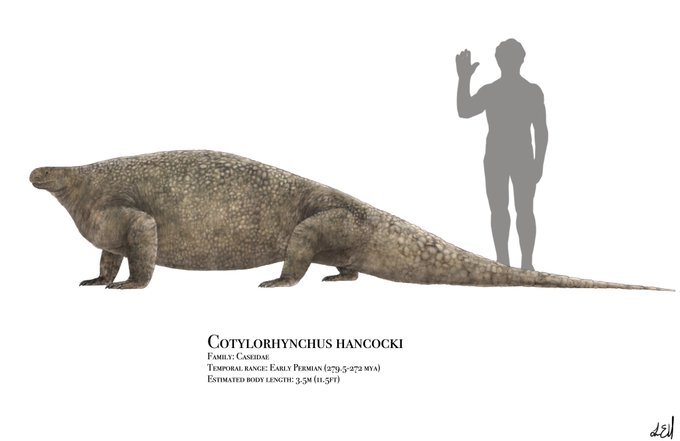


Finished Cotylorhynchus!!! Gave this Early Permian synapsid some cornified pads on the skin to help it dig/burrow, which is what it likely did with those action figure forelimbs it's got. #paleoart #paleontology #sciart #scientificillustration


"Brachio Grove" 🌲🦕🌲
I originally created this illustration just to go on silk scarves, but I found that it looks great on other clothing & stuff too. Brachiosaurus is a perennial favorite of mine...sauropods for all seasons, I say!
https://t.co/VTe4aoeone
#dinosaurs #sciart


Getting that gratitude attitude with these thankful #microbes. #Thanksgiving #amoebasisters #scicomm #sciart #science


Highlights from the Cenozoic reptiles #paleostream #DrawDinovember! Sebecus (flurry), Niolamia, Stupendemys, Gnatusuchus. #paleoart #sciart


1937 Rings of Saturn, Saturn Landscape, Vintage astronomy print, SciArt, Science Wall Art https://t.co/u8Q21wMas8 #Etsy #sofrenchvintage #SolarSystem


Fun fact: Artist Diane Burko learned to swim and snorkel in order to observe coral reefs first hand for her new works in #GlaciersReefs. Pictured: Diane in American Samoa, January 2018, and her painting Faga'Alu, inspired by her explorations. https://t.co/Evn9Tdfwpr #sciart


We‘ve been experimenting with camera-less photography today (cyanotype printing) with the aid of Hannah & Paul in the @LJMUarts print studio. Check out some of our experimental outcomes #process #studiopractice #printmaking #objectivity #artscience #sciart #cyanotype #chemistry


Can someone please write a story about these two unlikely pals?
Some #Wednesday #woofers for y'all courtesy of the aptly named volume 'Dogs' from The Naturalist's Library series
#Poodle #Bulldog #Dog #Dogs #RareBooks #Library #Librarian #LibraryLife #Illustration #SciArt

We all have that family member...or if you're Petunia, you ARE that family member. #amoebasisters #science #scicomm #sciart


Building #Liopleurodon for @WollatonHall & @George_Gorilla; 1/7. #paleoart #sciart #scicomm

Gorgeous #handcoloured #copperplate #engraving of a Roseate Spoonbill from George Shaw’s ‘The Naturalist’s Miscellany’, with #SciArt #illustration by FP. Nodder
#Library #RareBooks #Ornithology #Birds #Spoonbill #Pink #Book #OldBooks #Librarian #NaturalHistory #Science


Highlights from the #paleostream! #DrawDinovember (regal) Edmontosaurus, Masiakasaurus, Sclerothorax and Siphonophrentis. #paleoart #sciart #dinosaurs


Highlights from the #paleostream! #DrawDinovember (wilt) Styxosaurus, Vadasaurus, Turrilites, Archaeobelodon. #sciart #paleoart #plesiosaur


A planet or a Petri dish? Diane Burko evokes both with her coral reef lenticular series in #glaciersreefs. These prints are similar to holograms and you need to see them in person for the full experience. Visit 9-5 weekdays, 2101 Constitution Ave NW. #sciart #acreativedc