CiARTのTwitterイラスト検索結果。 7,419 件中 285ページ目



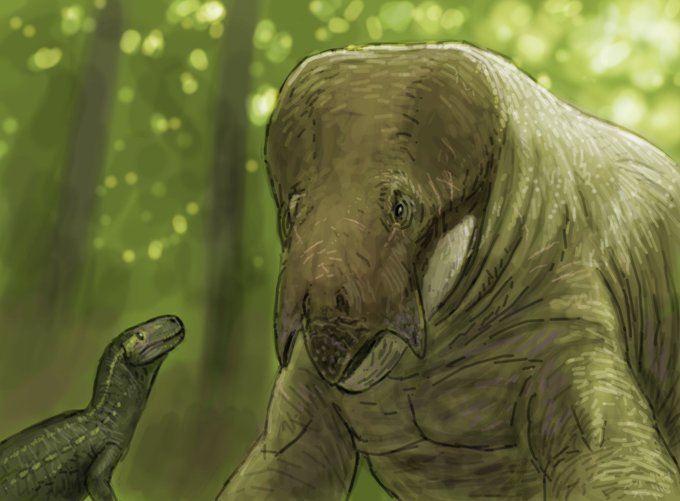

Hightlights from the #DrawDinovember #paleostream! Rubidgea (thief), Caelestioventus (jump), Lisovicia (enormous), Hypsognathus (quarrelsome). #paleoart #pterosaur #sciart

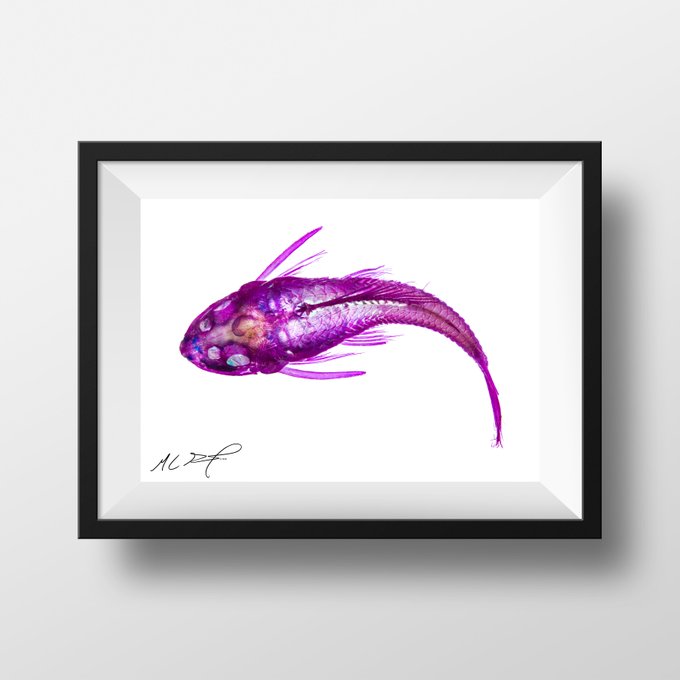

Happy #FishyFriday! Here is the armored "#skeleton" of Pterygoplichthys pardalis, the Amazon sailfin catfish. One of the two species referred to as a "common pleco" in the aquarium trade who have a knack for eating algae! https://t.co/X106ej82Nt #photography #fishsci #sciart


It was about 21-23 feet long, and unlike its living counterpart had a pronounced snout rather than a gigantic battering ram head. Loved adding the scratches/scars, I think it really brings it to life. #paleoart #whales #dolphins #sciart #paleontology

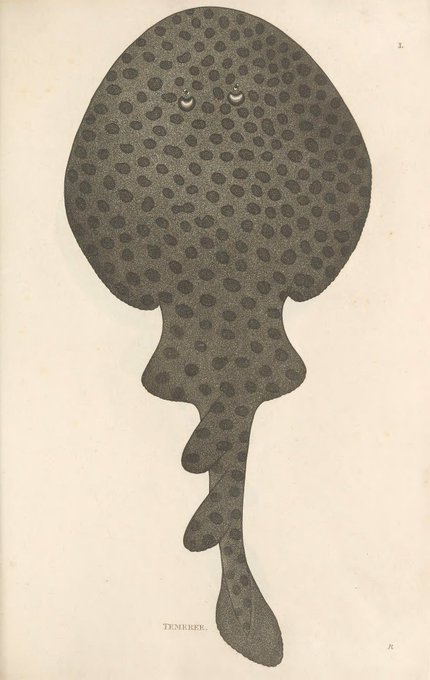
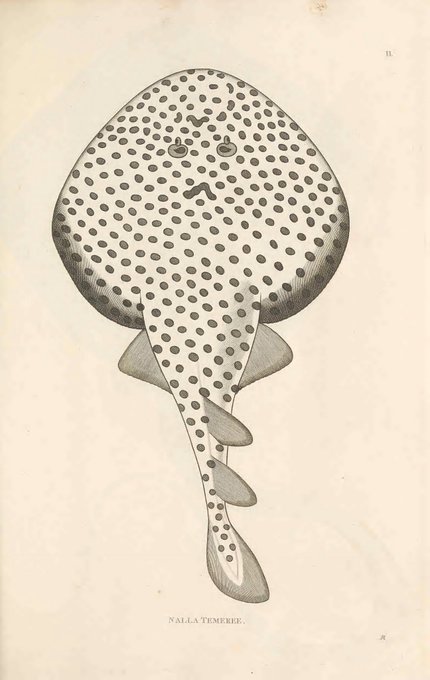
It’s #StAndrewsDay so shout out to my favourite #Scottish #naturalist, my boy Patrick Russell
These two striking #fish are from ‘Descriptions and figures of two hundred #fishes’ (1803)
#illustrations #monochrome #rarebook #library #SciArt @BioDivLibrary https://t.co/gCSLiER4BN

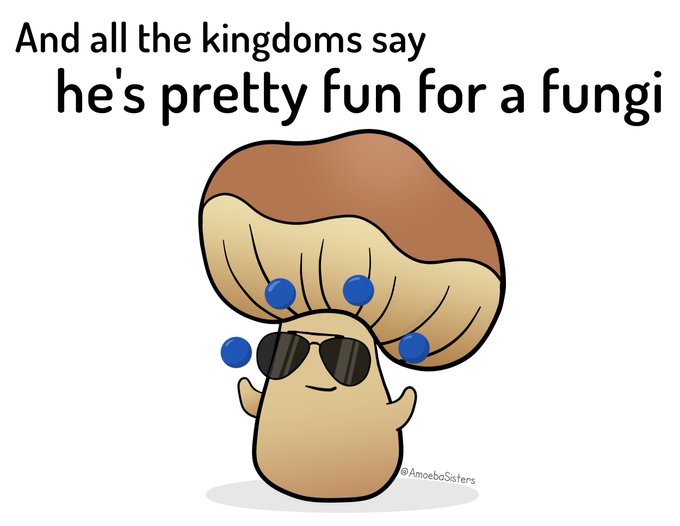
A few ecological relationships...what are your favorites? #amoebasisters #science #scicomm #sciart


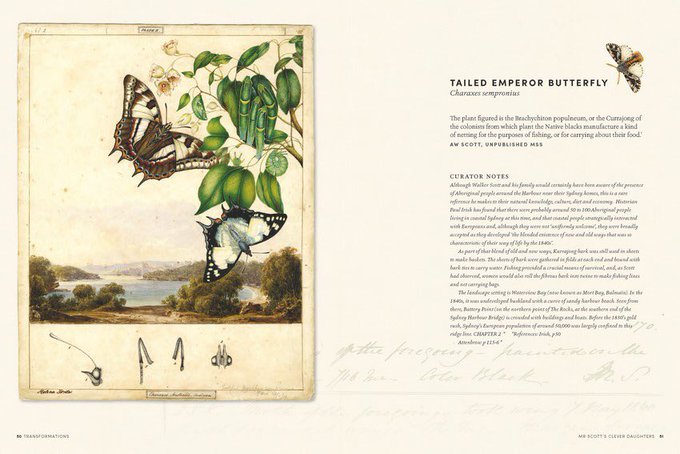

Ooo - I've been eagerly waiting for this to emerge & it's just taken flight! "Transformations: Harriet & Helena Scott, colonial Sydney's finest natural history painters" by Vanessa Finney @newsouthbook. #SciArt @ReadingsBooks @goodreads @BioDivLibrary @bhl_au


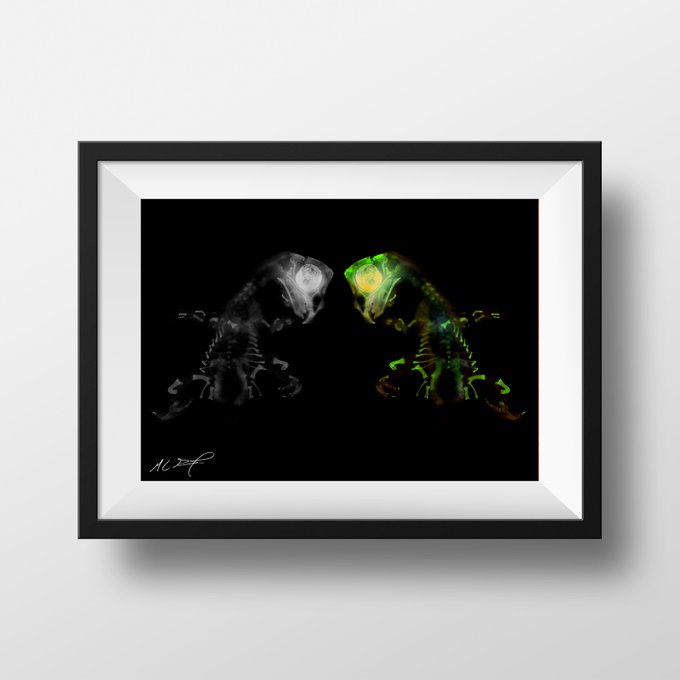
#Anatomy fans! All of my cleared and stained/illustrated #sciart is 15% off in my #Etsy shop for the holidays (https://t.co/X106ej82Nt). I also have free domestic shipping (within the U.S.) for the time being! #photography


"The songs of birds may be considered as national melodies, for each has its own peculiar music." 🎶 Explore #birds through poems and #SciArt this #Feathursday with "The Language of Birds" (1837) by Mrs. George Spratt, in #BHLib via @FieldMuseum ➡️ https://t.co/qxPumqYMx7

The western spinebill (Acanthorhynchus superciliosus) and the tawny-crowned honeyeater (Gliciphila melanops) for #Feathursday! #SciArt by Henrik Grönvold from v. 11 (1923-24) of "The Birds of Australia". In #BHLib via @museumsvictoria @bhl_au ➡️ https://t.co/BOPDxvKRxW

I used the skeletal provided by the beautifully comprehensive paper by Asier Larramendi. It has such a tall skull and nearly-vertical forehead. I gave it green eyes, maybe as a recessive trait? #paleoart #paleontology #sciart #scientificillustration


For those interested in #CoralStudy, you'll enjoy our #GlaciersReefs exhibition by Diane Burko at 2101 Constitution Ave NW. This #sciart exhibition looks at the impact of climate change on glaciers and reefs. Open 9-5 weekdays. https://t.co/Evn9TcXV0R


The #SkypeAScientist wearable art gallery is COMPLETE. We've got FISH, PLANTS, FUNGI, SPACE and INVERTEBRATES (OBVIOUSLY)
I'm super proud of what we put together with the help of a lot of super talented SciArtists!
https://t.co/9BOMEK6W4P


@storycubes #generativeart #sciart
Work no.2 of my experiment. Eight images to work with to create my theme.
Title: ‘Strain’
Media: Acrylic Ink, Pen and Pencil.


Pause.
Breathe.
Repair your universe.
Proceed.
#MedArt #MedicalArt #MedicalIllustration #ConceptArt #ConceptualArt #Universe #Astronomy #SciArt #Science #JustBreathe #Anatomy #AnatomyArt #AnatomyIllustration #Anatomia #Cosmos #AstronomyLover #Stars #Illustration


Today's #snake: Western hognose snake (Heterodon nasicus) This burrowing slitherer hails from North America and though nonvenomous, has "irritating" saliva.
#sciart #medart #snakes #illustration #wildlifeart #drawing
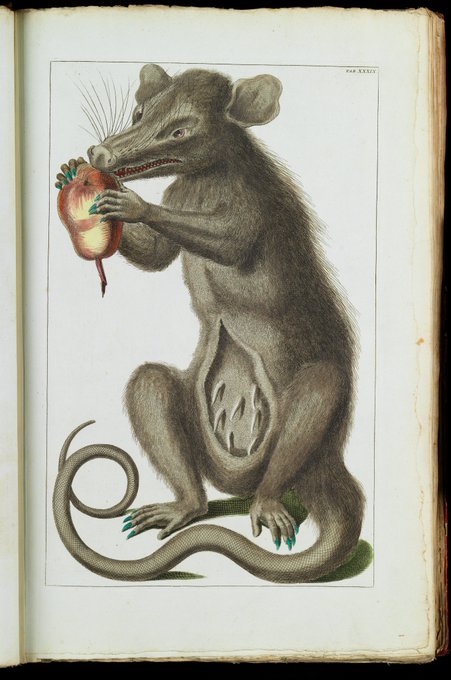


The Common Opossum, beautifully illustrated by Miss Harriett Scott & Mrs Helena Forde in Krefft's 1871 "The mammals of Australia" (on @BioDivLibrary via @SILibraries https://t.co/GdKejvFO8k #SciArt #AustralianBrushtailPossum #BrushtailPossum

Think this venomous #viper might be my favorite #snake so far. Green pit viper (Trimeresurus macrops) for my personal snake week.
#sciart #medart #snakes #illustration #wildlifeart #drawing

«I will not die. I refuse it. I will make it through this nightmare. I will beat the odds, as great as they are. I have survived so far, miraculously. Now I will turn miracle into routine». (Yann Martel, "Life Of Pi") #LifeOfPi #AnatomyArt #MedArt #MedicalArt #SciArt #ConceptArt