FossilFridayのTwitterイラスト検索結果。 1,010 件中 30ページ目


Our more recent paper about Algora site, rich in terrestrial vertebrates, including #dinosaurs.
"#Cenomanian vertebrates from #Algora (central #Spain): #New data on the establishment of the European Upper #Cretaceous continental #faunas" - https://t.co/CJLS8ZJW0r
#fossilfriday

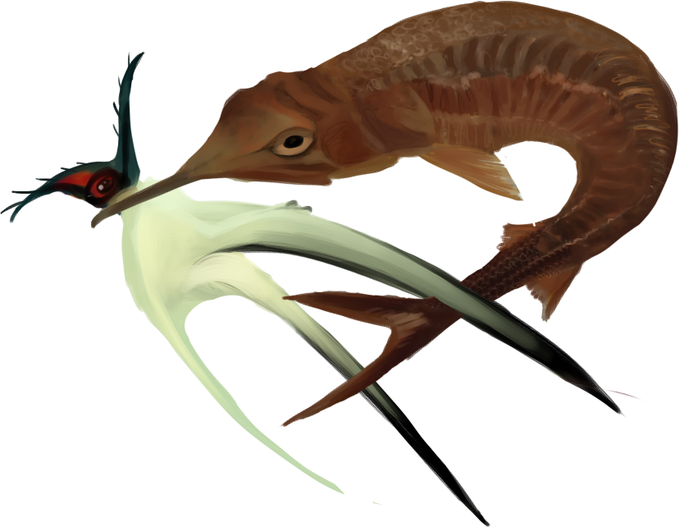
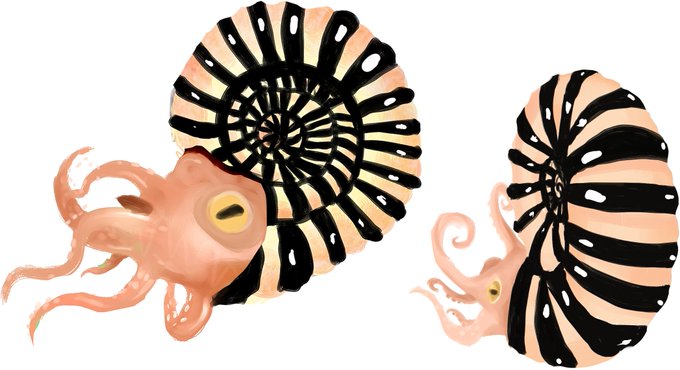
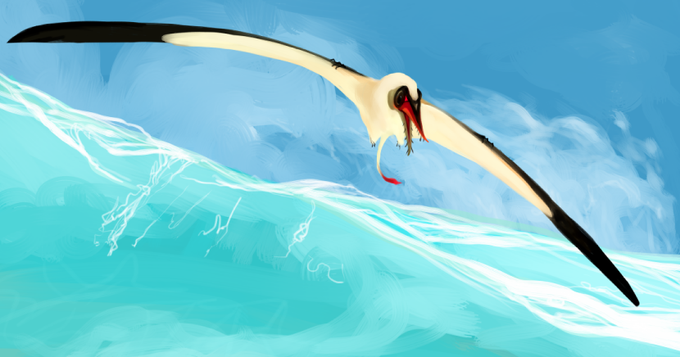
Individual assets from the bigger picture... at this rate I might get it done by #fossilfriday


The AMNH Anhanguera in an unpublished plate from my PhD thesis. More information on this specimen here: https://t.co/TaVYnaLKZV
#FossilFriday


🦖 🦖 Finally out our last paper describing a new #theropod taxon from the Upper #Jurassic of #Portugal, #Lusovenator santosi, the oldest #carcharodontosaurian #dinosaur from #Laurasia. Check out👇
https://t.co/OkUYPIvhDO
Art from @Carlosdino88
#FossilFriday #LusitanianBasin


#irritator's name origin is fun for the reader but frustratingly sad for the people who described this beautiful #spinosaurus relative. I tried to keep only the fun part for this #FossilFriday #paleo-merch design: https://t.co/IflZ100IEl


Welcome to #Lusovenator santosi, a new theropod🦖! Trabalho liderado por @efmalafaia do @IdlLuiz , e contou com a participação da @UNED @ALTSHN @NHMLA . Este dinossáurio é uma homenagem ao seu colector, José Joaquim dos Santos. #Portugal #FossilFriday https://t.co/cdEAnC1lHN

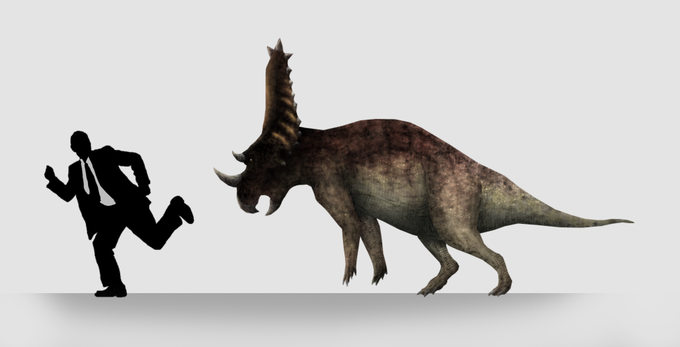
A study of Chasmosaurus belli from Feb 17, 2020 for #FossilFriday.
Who would have known ceratopsians don't like missed deadlines?
Based on the skeletal by @skeletaldrawing
#paleoart #sciart #dinosaur


Fossil plants are an informative and super cool topic for artists, and it really helps when paleoartists put time in to communicate paleobotany so other artists can improve their work. Big thanks to @MaijaKarala for her informative 2014 blog on DPF fossil plants #FossilFriday

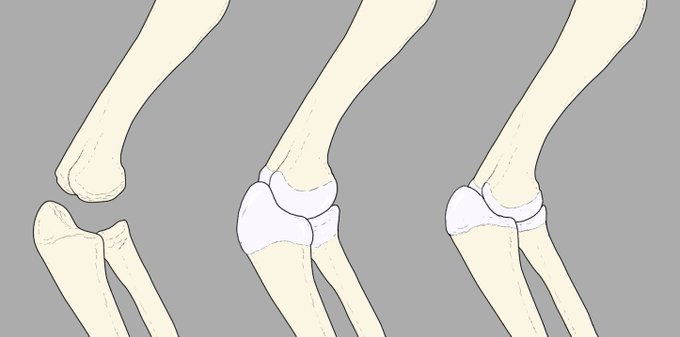
#FossilFriday musings related to my current research. In living archosaurs epiphyseal cartilages can extend limb bone length from between less than 1% to more than 10%! This has big implications for our modelling of joint kinematics and how we interpet plausible ranges of motion.


Here comes #Irisosaurus!🦕
First collaboration with 🇨🇳 colleagues and students. 😊
We named it after #Yunnan, where it was found. In China, they call it 彩云之南 "the South of colorful clouds" (hence the latin 'iris'). It's very poetic.
https://t.co/jRTwxXC9Ag
#FossilFriday


#Spinosaurus aegyptiacus is one dinosaur boi from Egypt famous for change his form every 5 years or so... Oh, and by the way, there also an meme that represent accurately every paleoartist in the world. #FossilFriday #dinosaur #Sciart #paleoart #paleontology


Los gliptodontes fueron animales particulares. Su cerebro era muy pequeño para su tamaño y en comparación, su cerebelo era grande. Quizás un cerebro grande no era necesario para defenderse o pesaba mucho. Y el gran cerebelo podría ser útil para mover esa pesada cola
#FossilFriday


Happy #FossilFriday everyone, today we bring offerings of huge cephalopods!
Check out Tyler’s blog post about reconstructing the giant Enchoteuthis (AKA “Tusoteuthis”), for which I supplied some art.
#Paleoart #Paleontology #SciArt https://t.co/8DdfBLiSY5


And this is the above-mentioned Burtele foot (3.4 Ma)...
A new hominin foot from Ethiopia shows multiple Pliocene bipedal adaptations https://t.co/dcUgRtaZLl #FossilFriday


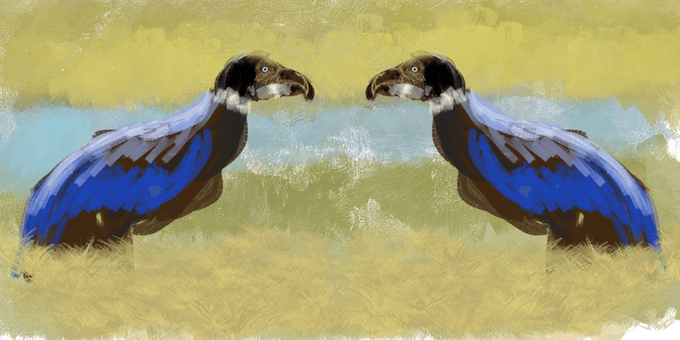


For #paleostream and #FossilFriday: Prodeinotherium, Dodo, Skorpiovenator and Sivatherium


#Majungasaurus crenatissimus was a Abelisauridae from Madagascar, in life he was 2 meters tall and have 7 meters in length. It was the apex predator of his ecosystem, preying on sauropods like Rapetosaurus.
#paleoart #paleontology #dinosaur #FossilFriday #sciart


#DYK we use lasers to vaporize small amounts of enamel from fossil teeth (like this troodontid #dinosaur), allowing the released gases to be analyzed for their chemical composition?
This can reveal info about the diet, habitat, and physiology of extinct animals.
#FossilFriday

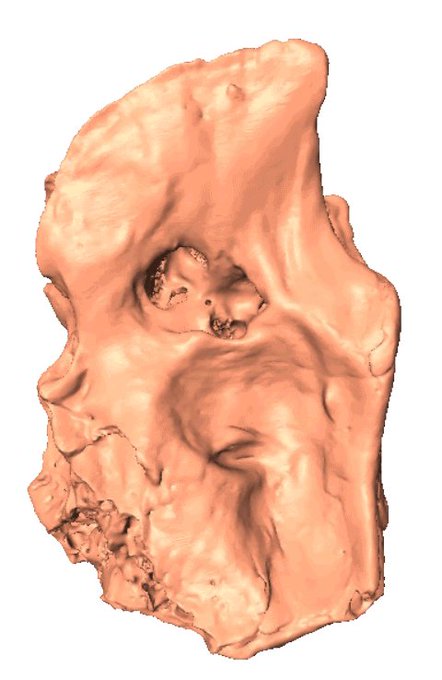
For #FossilFriday congratulation to our Master student @BoulinJordan who finished today (co-supervised with @LauraDziomber). A very nice work on the #3D morphology of the #ruminants and what we can say about it (phylogeny, ontogeny, allometry).
#weloveruminants #paleontology


Trilobites: Variations on a Theme
Over 300 million years, trilobites evolved a diverse and successful array of forms while maintaining a simple, common body plan
https://t.co/CvoEvDRAIj
#FossilFriday #EarthScience #geology #paleontology #ecology #zoology


For #FossilFriday, here's the entirety of my Georgiacetus #paleoart, not yet released online. Protocetids like Georgiacetus were among the last whales to have terrestrial capabilities: subsequent whale species were committed to life in the sea.