arthroのTwitterイラスト検索結果。 987 件中 36ページ目


Going to press on Monday, #Arthropedia is a personal alphabet of #invertebrates by @VannaBartlett1. #shieldbugs, #hoverflies, #moths, #bees, #beetles, #butterflies and more. @Swallowtailprin will be printing the book in Norwich. On sale in April, £20 in the UK.


Whip spiders (Amblypygi) are not but one of the close relatives of spiders, characterized by raptorial pedipalps and whip-like sensory legs. Contrary to their agility in predation, they are usually mild-tempered, with some species are even known to live in groups.
#Arthrogirls


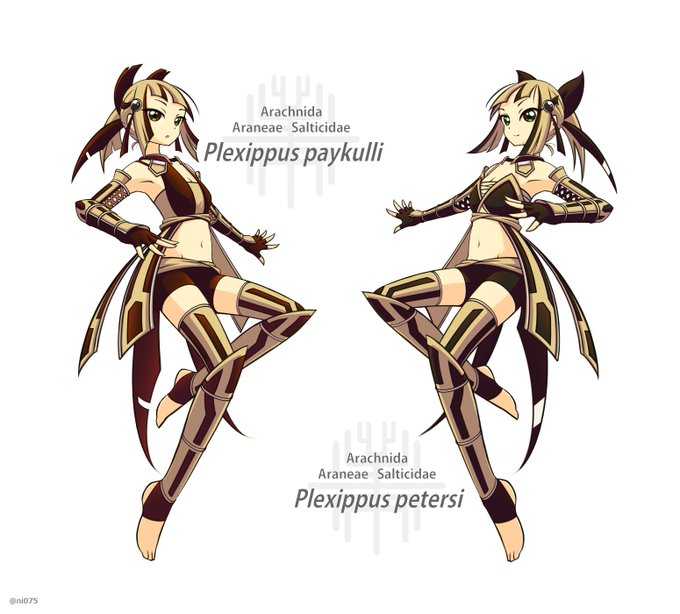
Jumping spiders (Salticidae) are a speciose group of agile, free-living spiders that possess excellent eyesight for searching prey and courtship display. They can jump in an instant, but these are powered by the pressure of body fluid intsead of specialized muscles.
#Arthrogirls
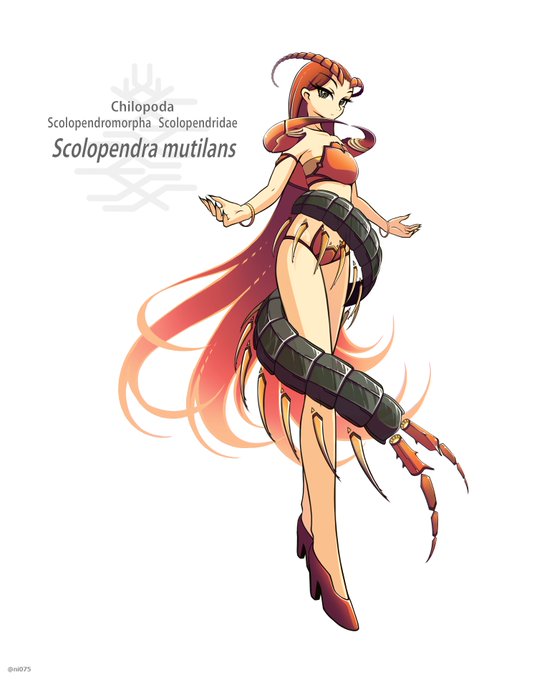
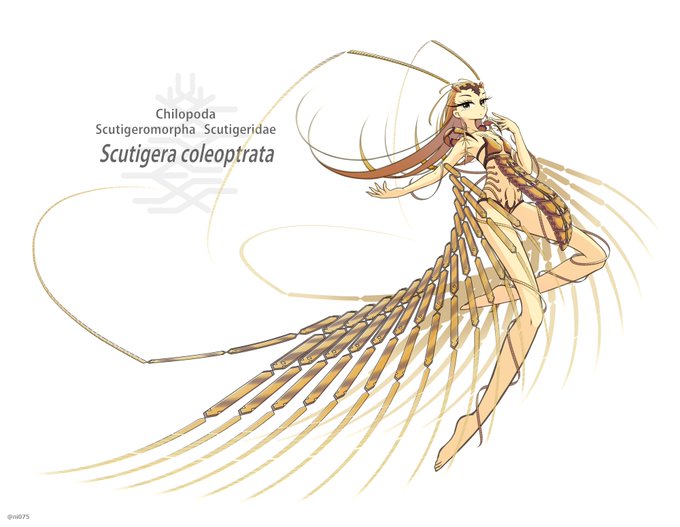
Centipedes (Chilopoda) are predatory myriapods exist for more than 400 million years, united by a pair of venomous fangs which are in fact specialized front limbs. Contrary to their name which mean 'hundred-legged', they usually only have odd numbers for leg pairs.
#Arthrogirls
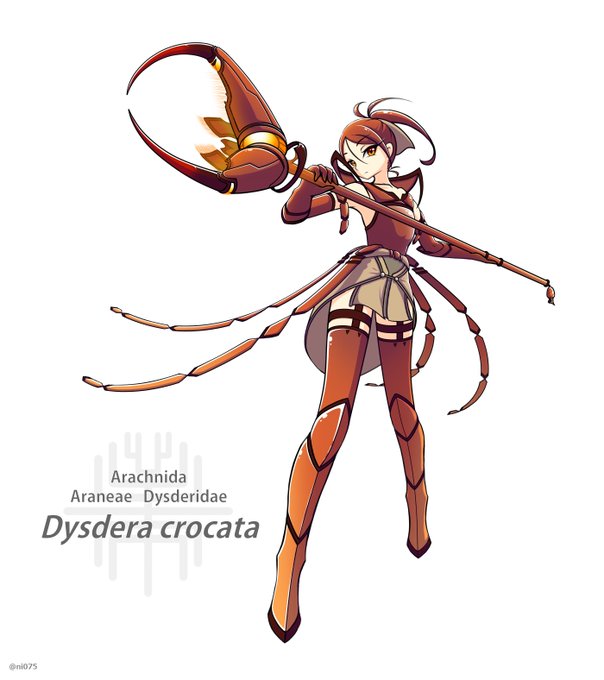
Woodlouse spiders (Dysdera crocata) are free-living spiders that prey on woodlouse. They have huge fangs, but instead for crushing, the spiders uses them for holding the woodlouse in place, injecting venom by stabbing one of them to the prey's unprotected underside.
#Arthrogirls

Snow flies (Chionea) are crane flies (Tipulomorpha) that active during winter, as their body fluid contain glycerol to prevent them from freezing. They are almost wingless, and the space which originally housed by flight muscles are instead use to store their eggs.
#Arthrogirls


Sea spiders (Pycnogonida) shared unsual body plan that their bodies are almost just legs, even their guts were branched and associated within each of them. They are not spiders nor even arachnids, instead they most likely arose from a very basal chelicerate lineage.
#Arthrogirls

Great blog post by @GlobalBiotic about our recent @NSF @iDigBio #parasitetracker meeting! The goal is to digitize arthropod parasites #lice #ticks #parasite #mite #mosquito
https://t.co/jXQaIPd075
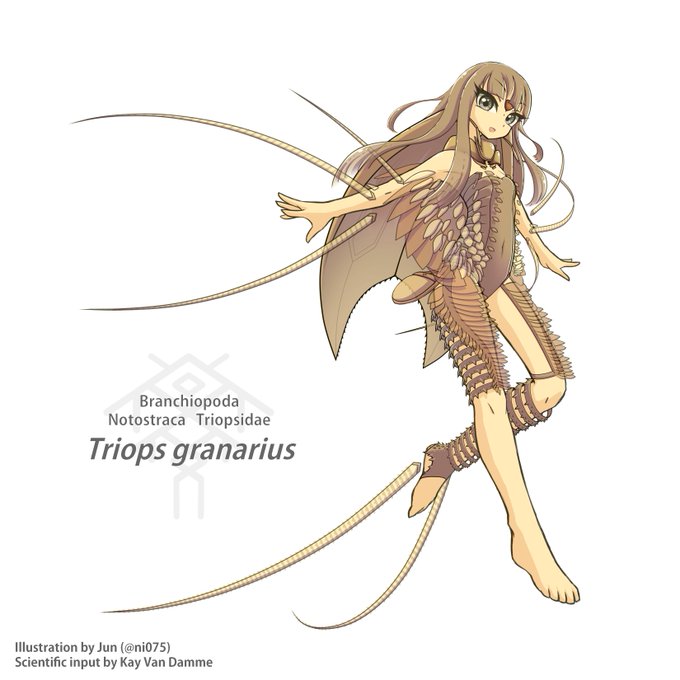
Tadpole shrimps (Notostraca, not shrimps) are branchiopod crustaceans that considered to be 'living fossils', and some extant species even have extensive fossil records. Adapted to temporal aquatic ecosystem, their resting eggs can survive long-lasting dry periods.
#Arthrogirls

Apochima juglansiaria are Geometer moths (Geometridae) that bore repeatedly folded wings. They only active during springtime, and their bird-dropping-like caterpillars will pupate long before summer, spending the remain seasons underground until spring comes again.
#Arthrogirls


Motyxia are millipedes that endemic to the moutain ranges of California, as well as one of the few millipedes that could glow. The bluish-green light of their exoskeleton are warning signals to nocturnal predators, as they contain secretions of toxic cyanide.
#Arthrogirls
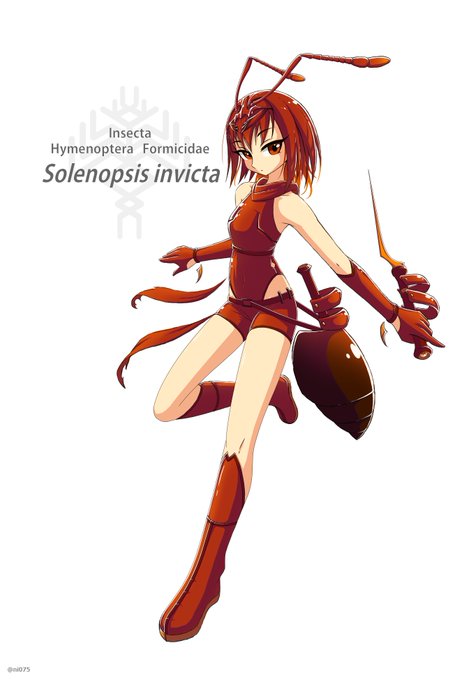
Solenopsis invicta are South American ants posses stinger that can cause a burning sensation, hence the name fire ants. Beside venom, they also can form floating rafts to overcome flooding event. Everything works well until some of them had been move to worldwide...
#Arthrogirls


Hi, I'd like to introduce you to his two feline x arthropod hybrids. They are at 7€, payment via paypal, paysafcard or art trade.
#furry #furryart #furryfandom #art #furryadopt #adopt #adoptforsale #openadopt #Adoptafur #Adopts #Adoptables
@adoptafur @FurryAdopt

Chiasognathus grantii (Darwin's beetle) is the giant amongst South American stag beetles. Both sexes engage in fight, and the long-legged males may have extremely long, hooked mandibles that could lock on the rival's wing cases and throwing them off their territory.
#Arthrogirls





Valentine 'Val' Day– tarantula cutie 💕
#oc #spider #tarantula #cute #anthro #furry #furryfandom #art #cartoon #characterdesign #bug #arthropod #ithink #pink #illustration


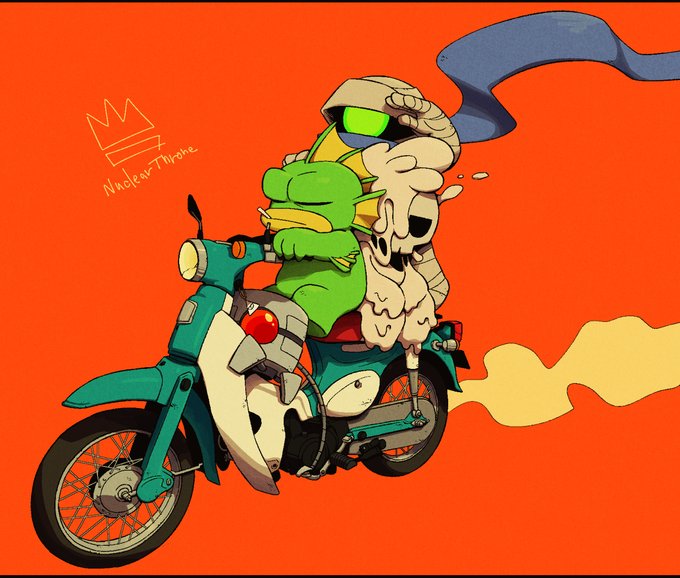
I keep on forgetting to post my art from tumblr onto here :’’^]] #crystal #nuclearthrone