BotanicMondayのTwitterイラスト検索結果。 167 件中 5ページ目


Stinking Iris or Roast Beef plant (Iris foetidissima) as portrayed by our Edwardian Botanical artist Diana Ruth Wilson 1886-1969 #BotanicMonday #womensart #wildflowerhour #dorsethour


John Martyn's "Historia plantarum rariorum" (1728-[1737]) was the first flower book to be printed in color. It was devoted to new species growing at the Chelsea Physic Garden and the Cambridge Botanic Garden. View it in #BHLib via @NYBG: https://t.co/UxftckFzT4 #BotanicMonday

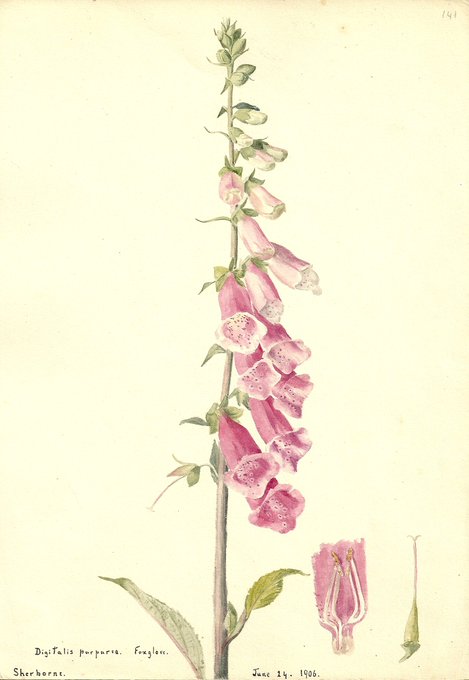


A handful of medicinal herbs selected from the Wilson botanical collection #BotanicMonday #womensart #wildflowerhour #dorsethour


Appearing in a hedgerow near you, a selection of fruiting trees/shrubs as portrayed by our Edwardian botanical artist Diana Ruth Wilson (1886-1969) #BotanicMonday #womensart #wildflowerhour #dorsethour

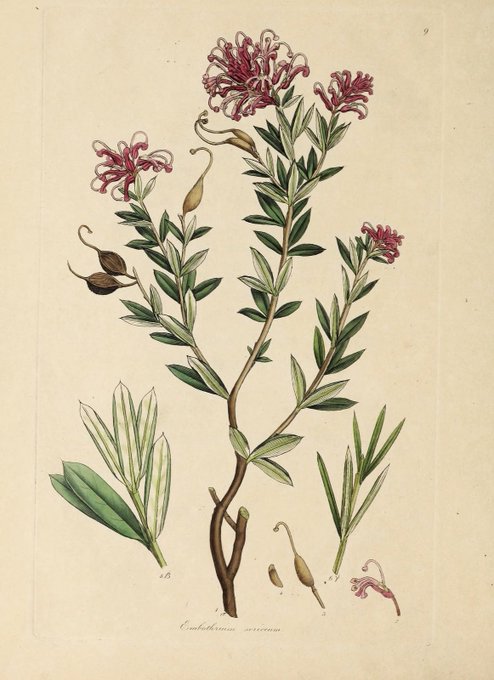

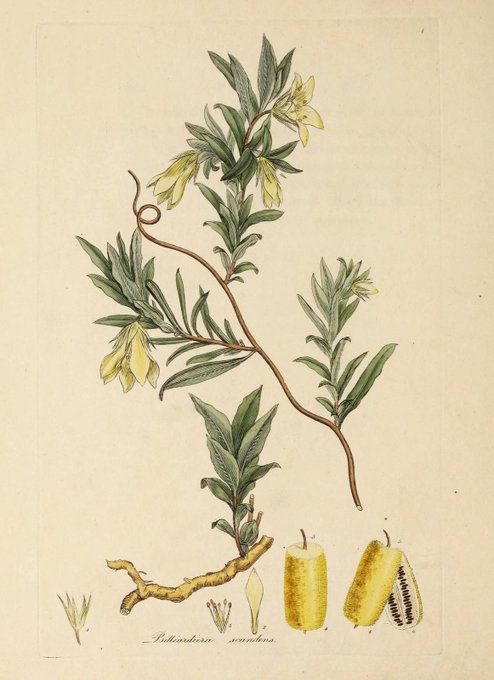
For #BotanicMonday, explore Australia's first flora: A Specimen of the Botany of New Holland. Issued in four parts between 1793-1795, the work includes descriptions by James Edward Smith & #SciArt engraved by James Sowerby. In #BHLib via @HarvardLibrary: https://t.co/mNCDtxK6Db


The orange/scarlet of wild arum fruiting bodies appearing in abundance now.....the Diana Ruth Wilson botanical collection is one of our most loved exhibits #BotanicMonday #womensart #wildflower #dorsethour
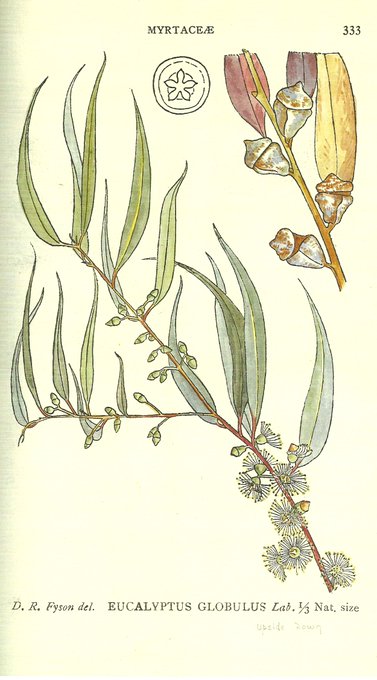

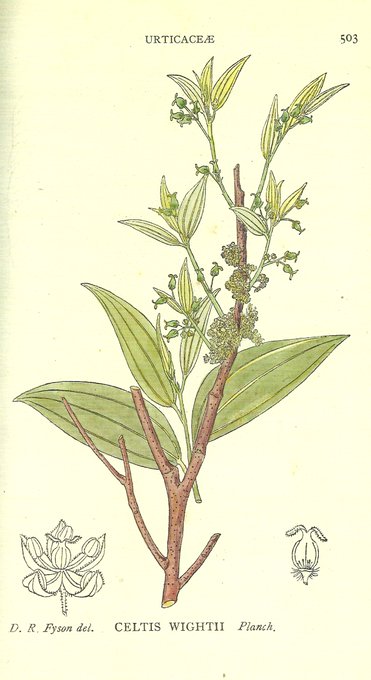
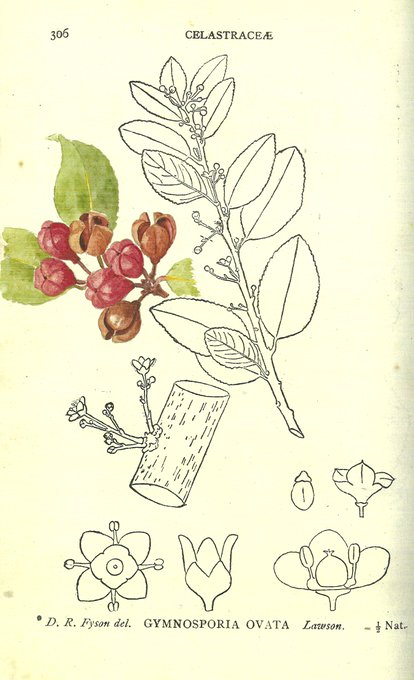
A selection of hand-tinted pages from Diana Ruth Wilson's "Flora" of the Nilgiri Hills that complements our early collection of local botanical drawings #BotanicMonday #womensart #wildflowerhour #dorsethour
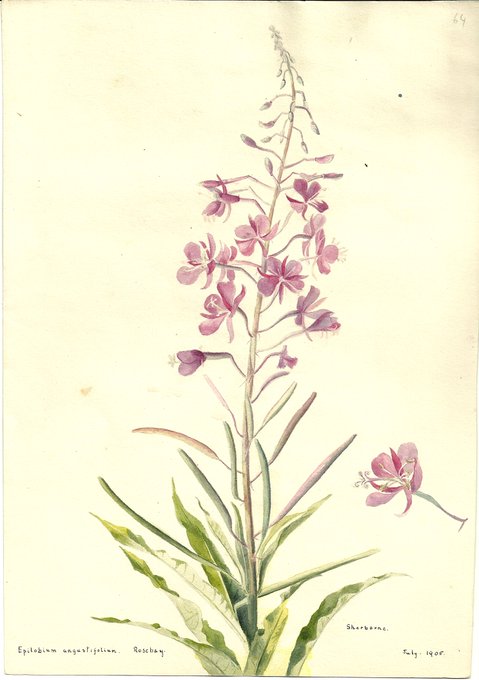


A selection of summer purples and pinks from the Diana Ruth Wilson botanical collection - all these 194 paintings of West Dorset flora are stunning when seen first-hand! #BotanicMonday #womensart #wildflowerhour #dorsethour
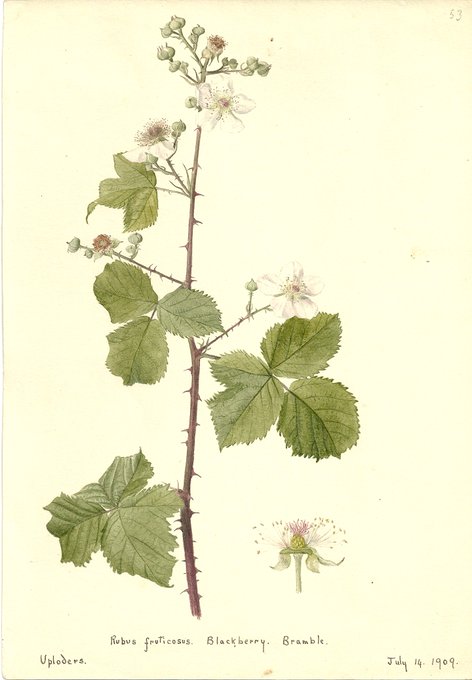


A selection of hedgerow blooms from the Wilson botanical collection #BotanicMonday #womensart #wildflower #dorsethour

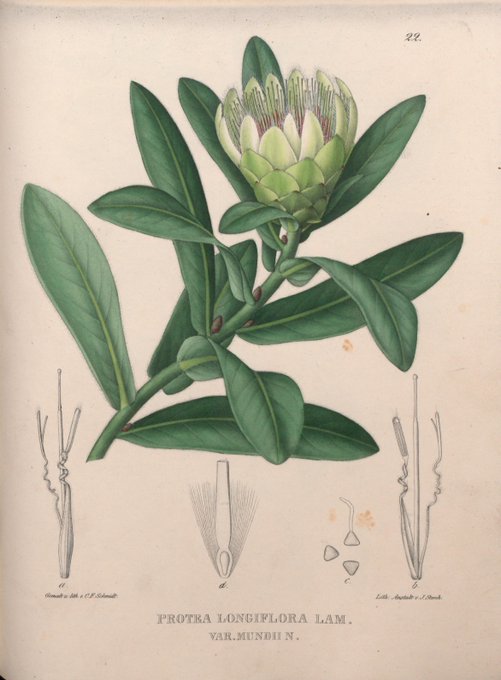


"Icones plantarum rariorum Horti Regii Botanici Berolinensis" (1840-44) illustrates & describes new or little-known plants grown at the Berlin Botanic Gardens. This #RareBook has recently been digitized in #BHLib thanks to @Kew_LAA: https://t.co/Yvf8lELQEW #SciArt #BotanicMonday


Happy #BotanicMonday! Georg Ehret's "Plantae et papiliones rariores" (1748-1759), which was published plate-by-plate to subscribers over a ten-year period. It is freely available in #BHLib thanks to @National_Ag_Lib @USDA_ARS: https://t.co/mEQljgSLgf


A selection of midsummer hypericum, the flower of St. John. If you come across some unexpectedly you're supposed to place a bit in your left armpit and make a wish! courtesy of our Wilson botanical collection. #BotanicMonday #womensart #wildflowerhour #dorsethour
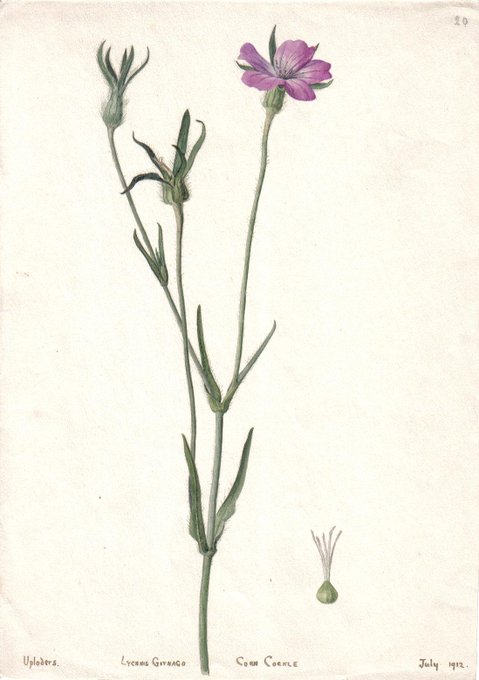


A selection of meadow flowers from the Wilson botanical collection this morning; corn-cockle and corn marigold being very scarce now #BotanicMonday #womensart #wildflower #meadow

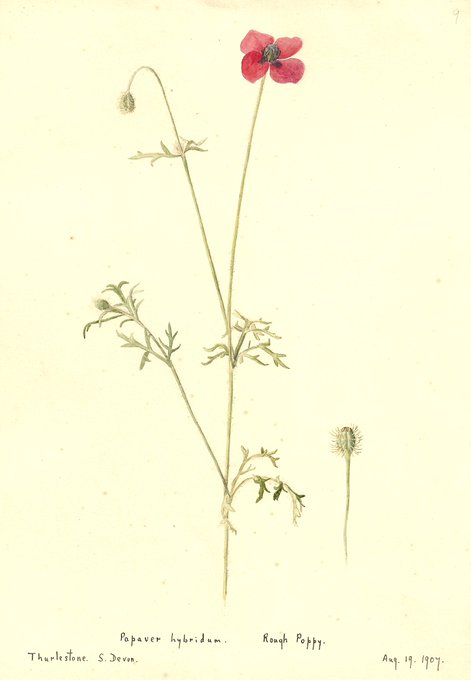


A selection of members from the poppy family, from the Diana Ruth Wilson botanical collection #BotanicMonday #womensart #wildflower


A handsome Euphorbia (Caper spurge) and spurge laurel (Daphne) from Diana Ruth Wilson (1886-1969) this morning #BotanicMonday #womensart #wildflower #Dorsethour
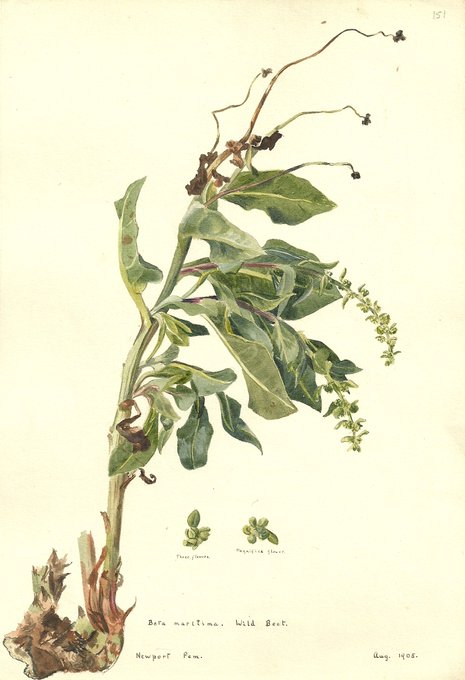


Some maritime plants from our Diana Ruth Wilson botanical collection, for those of you contemplating the beach on #BankHolidayMonday #BotanicMonday #womensart #wildflower


James Bateman was one of the first to advocate for "cool" orchid cultivation, which enabled Odontoglossum orchids to be cultivated in England. Explore his "A monograph of Odontoglossum" (1874) in #BHLib via @mobotgarden: https://t.co/Grai5uil3w #BotanicMonday

Bluebells from the Diana Ruth Wilson botanical collection #BotanicMonday #womensart #wildflower

#Orchids (Thunia bensoniae) for #BotanicMonday! #SciArt by J. Goffart for Lindenia: Iconography of Orchids, pt. 46-47 (1894). Contributed to #BHLib by the Peter H. Raven Library of the @mobotgarden: https://t.co/hA4zVUON5I -- #botanicalart


Explore medicinal plants for #BotanicMonday with "Köhler's Medizinal-Pflanzen" ([1883-1914]), featuring nearly 300 illustrations drawn by Walther Otto Müller and C. F. Schmidt and chromolithographed by K. Gunther. In #BHLib via @mobotgarden: https://t.co/mArNYiDGJT #SciArt