carbrochureのTwitterイラスト検索結果。


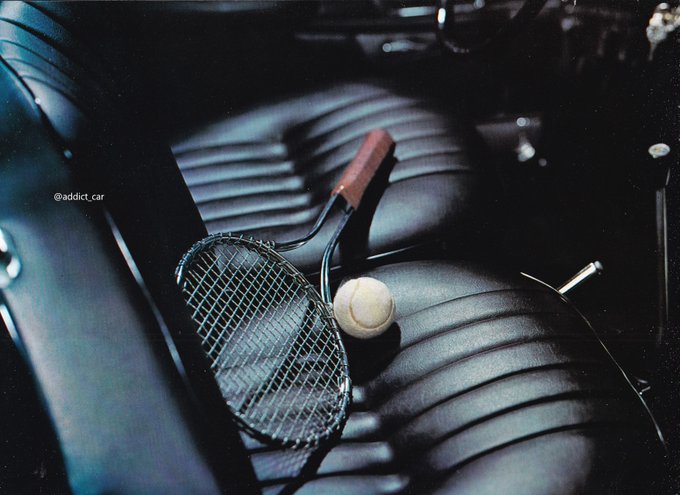

Renault's first post-war sports car, the Frua-styled Caravelle, is featured in 1100S form in this English-language brochure from around 1964. Related to the rear-engined Dauphine, it was at its purest as a convertible, shown with its detachable hardtop. #carbrochure #Renault


At the time of this 1976 Argentinian Ford Falcon brochure the country was entering a dark period of military dictatorship in which the Falcon acquired a sinister notoriety from its association with death squads who tortured and killed opponents of the regime. #carbrochure #Ford


The two-stroke Auto Union 1000S coupé was a small car marketed as a cut above more ordinary rivals. Launched in 1958, it is charmingly illustrated in this German brochure. The grille features the four rings of the Auto Union, still used by Audi today. #carbrochure #AutoUnion


North American car tastes were very different from the rest of the world in the '70s. The short-lived Ford Elite was a 5.8-litre 2-door 'mid-size' hardtop which was promoted on its 'graceful lines' inspired by the larger Ford Thunderbird 'personal luxury car'. #carbrochure #Ford


The last of the traditional big Rileys, the 2.6 was made from 1957-59. It retained the looks of the old Pathfinder model, but the venerable Riley engine was binned in favour of a BMC C-series unit. This brochure showed the model as the epitome of gentility. #carbrochure #Riley
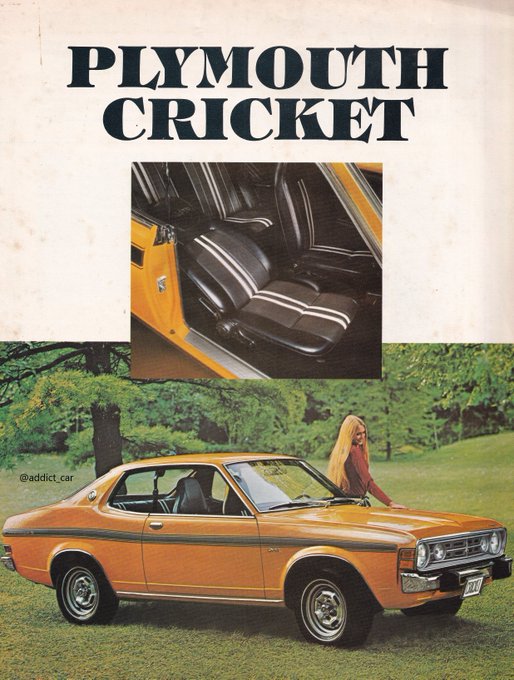

In the USA Chrysler badge-engineered the Mitsubishi Galant as the Dodge Colt, but in Canada things were a bit different: it also got a Plymouth twin, the Cricket, seen in this 1974 brochure and available in three bodystyles. #carbrochure #Plymouth


German carmarker Glas also used Goggomobil as a brand name, initially for its microcars but later for a larger 600cc or 700cc saloon, known as the Isar in Germany. For English-speaking markets it was the Goggomobil Royal. The design was made from 1959-65. #carbrochure #Goggomobil
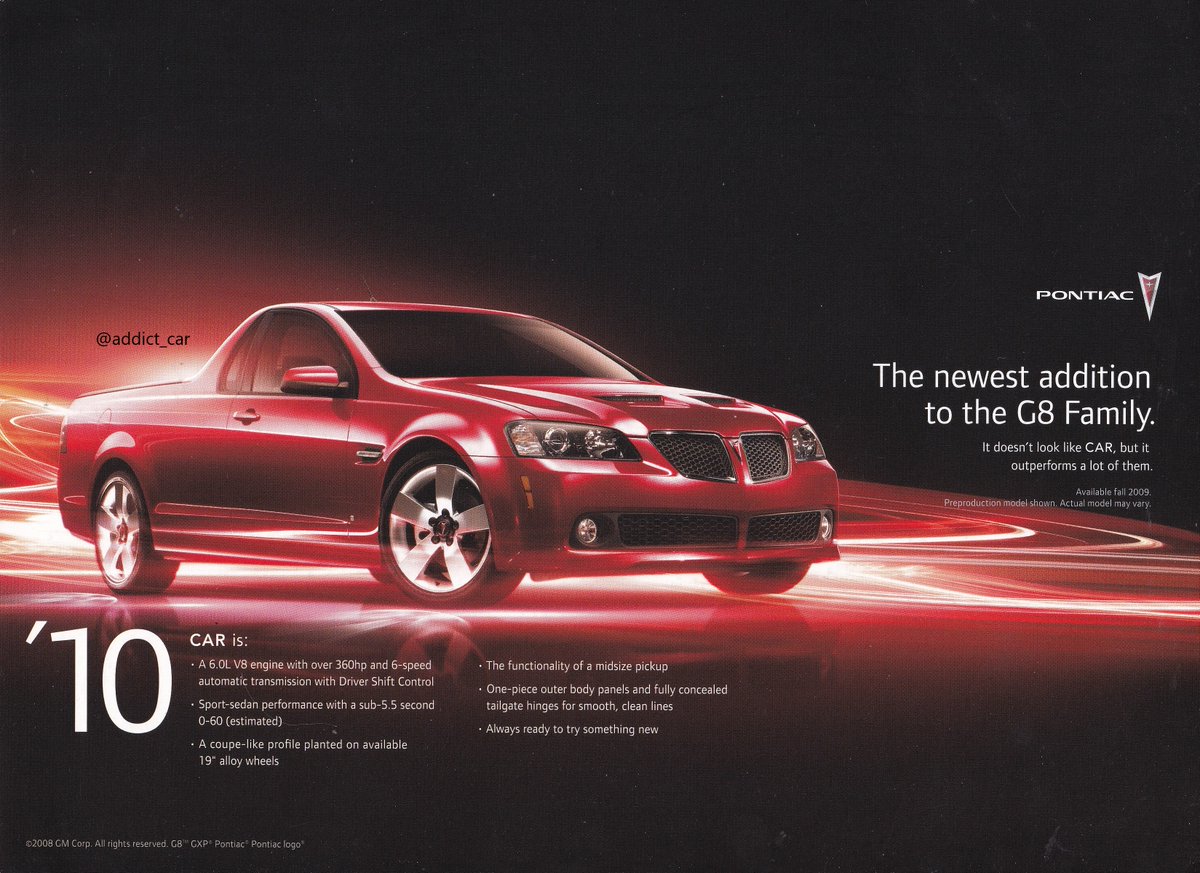
A Pontiac that never was, the G8 6.0-litre pick-up was supposed to join the range for the 2010 model year. It was based on the Ute version of the Australian Holden Commodore. Unfortunately events overtook the plans, as Pontiac itself was terminated in 2009. #carbrochure #Pontiac
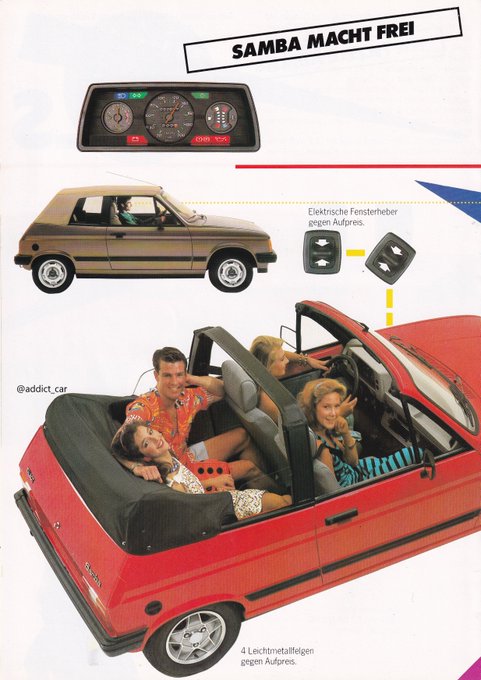

The 'new' Talbot marque's supermini, the Samba, was all-too-obviously a warmed-over Peugeot 104, so to add interest to the range a cabriolet version built by Pininfarina was fast-tracked to launch. It was then said to be the world's smallest convertible. #carbrochure #Talbot


#MicrocarMonday Lawil offered the very basic steel-bodied 246cc City (saloon) and Varzina ('spider') throughout the 1970s in its Italian home market and some neighbouring countries. The City was hardly a bargain; in 1976 the Fiat 126 only cost around 7% more. #carbrochure #Lawil
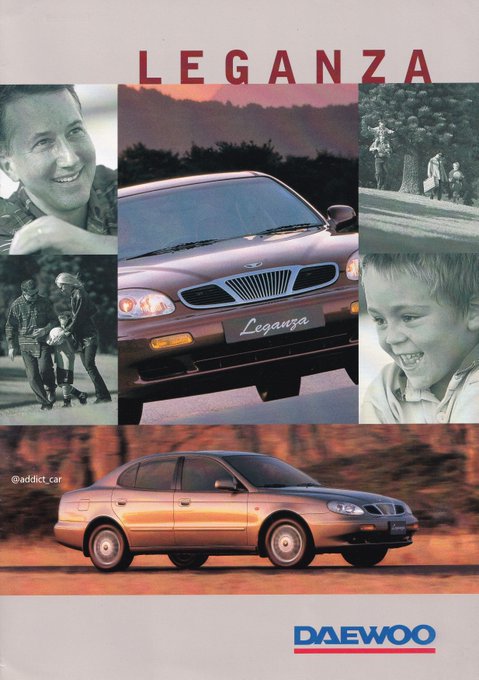

The most impressive new Daewoo to date, the Leganza arrived in 1997. This Australian brochure plays heavily on the car's international pedigree, not unexpectedly leading off with the car's locally-made engine (built by Holden mostly for other GM divisions). #carbrochure #Daewoo


Hyundai's new FWD mid-size car, the Lantra (also known as Elantra in some markets) was an important addition to the company's range, taking over from the outdated Stellar. Only sold as a saloon, it came in 1.6GLSi and Cdi versions in this 1991 UK brochure. #carbrochure #Hyundai
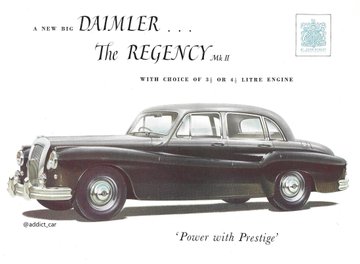
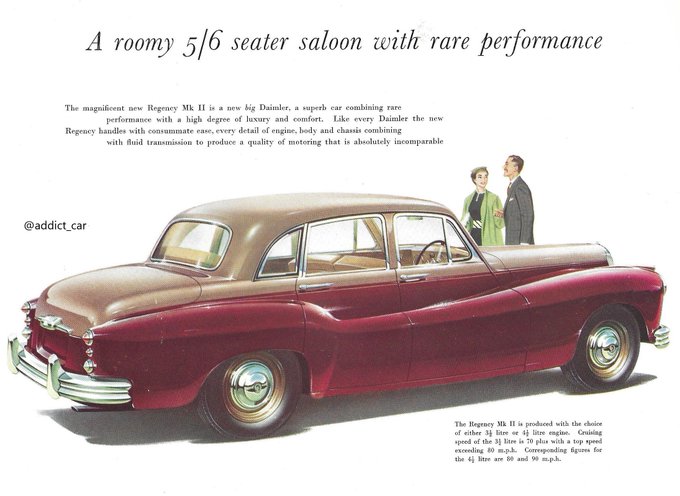


Ahead of today's historic state funeral for Queen Elizabeth, here's a reminder that in the 1950s the traditional Daimler marque was very much the choice of the British Royal family. This brochure features a typical model of the era, the 1954 Regency mkII. #carbrochure #Daimler


Effectively a Fiat 500 in a posher frock, the Autobianchi Bianchina was first launched in 1957. Its Panoramica estate version - capable of carrying four adults plus luggage - is shown in this 1960s brochure for France. #carbrochure #Autobianchi


Mazda's first front-wheel-drive 323 (Familia in Japan, GLC in North America) proved an instant success all around the world. The hatchback and saloon typified the angular aerodynamic look of the era. This 1984 brochure is from Australia. #carbrochure #Mazda
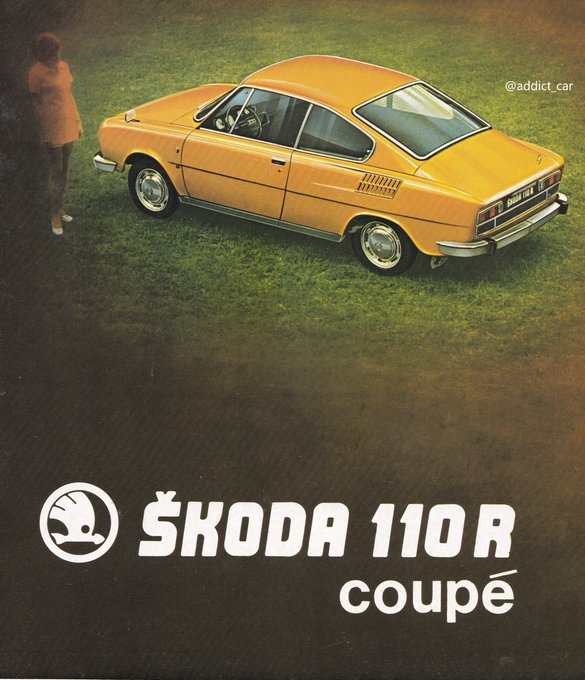


Arguably the prettiest widely-available car to come out of the Eastern Bloc, the Škoda S110R coupé was described as 'the Complete Sportsman' in this early English-language brochure. The 62bhp 2+2 was said to combine 'the feel of pedigree and speed'. #carbrochure #Skoda


For a time Vauxhall had double access to the Canadian market, with Pontiac dealers selling Vauxhall-badged cars, while Chevrolet ones also sold them as the GM Envoy. The second-generation Envoy is shown here, with a look borrowed from the FB Victor VX4/90. #carbrochure #Envoy


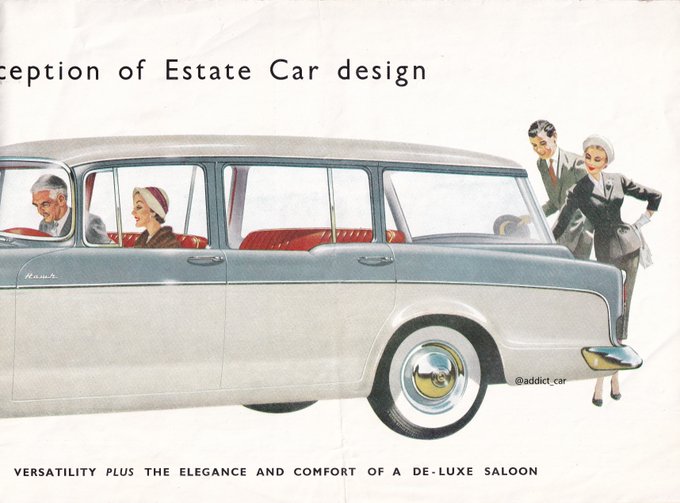
Car brochures once mostly relied on hand-drawn artwork. Many manufacturers favoured the artist portraying tiny people to make the cars themselves appear massive. Here's a classic example from Rootes Group, featuring the late- '50s Humber Hawk estate. #carbrochure #Humber
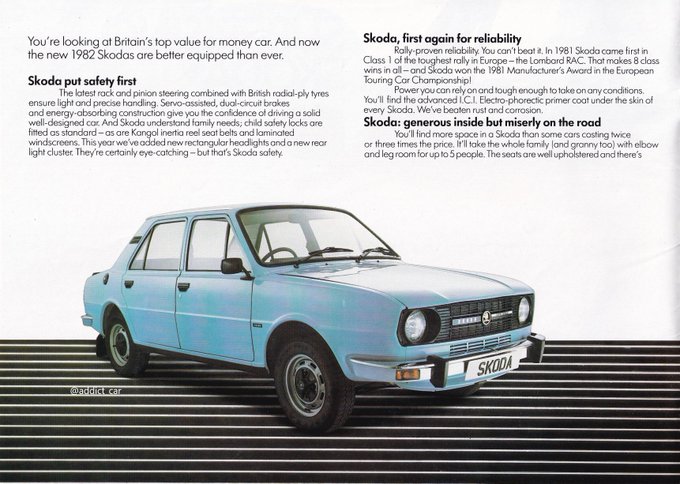

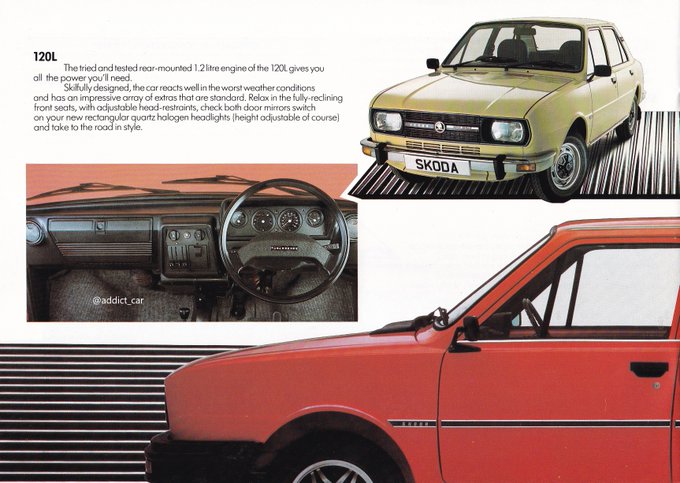

Incremental improvement was the order of the day at Škoda, and for 1982 its rear-engined saloons, called Super Estelle in the UK, gained bigger rear lights as well as a new rectangular headlight style for certain models. The 105S, 120L and LE feature here. #carbrochure #Skoda


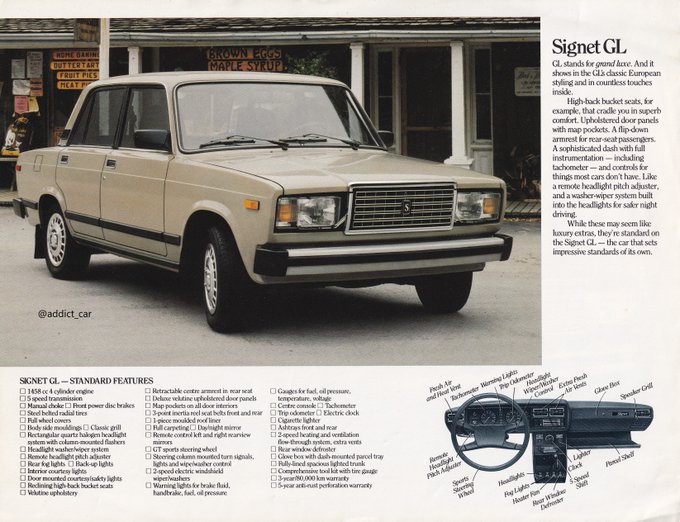

The word Lada is conspicuously absent from this Canadian brochure, with the local importer, Peter Dennis Motor Corporation, apparently selling these Soviet-made cars under its own name for a while. As well as the Signet sedan and wagon there was the Dennis 4X4. #carbrochure #Lada