giraffidのTwitterイラスト検索結果。 13 件


Okapi
The okapi, also known as the forest giraffe, congolese giraffe or zebra giraffe is the only other living member of the Giraffidae family, excluding Giraffes. It bears resemblance of a Zebra, but aren't related. Okapi is a medium-sized giraffid, standing 1.


Tried some new brushes out with this speculative Giraffid unicorn

Okapi
The okapi, also known as the forest giraffe, congolese giraffe or zebra giraffe is the only other living member of the Giraffidae family, excluding Giraffes. It bears resemblance of a Zebra, but aren't related. Okapi is a medium-sized giraffid, standing 1.


What is this I'm hearing about a pachycephalosaur-like giraffid from the Miocene, apparently with even more adaptations to headbutting than bighorn sheep and the like, and why haven´t I seen any pictures of it breaking a predator's ribs? :B #Discokeryx


I present you all my 3rd OC that I still haven't given a name, but it's a distant ancestor to cervids and giraffids that lived dozen millions of years ago, called "Prolibytherium" and had these unconventional, yet elegant butterfly shaped horns / ossicones.
art by @BabblePigeon


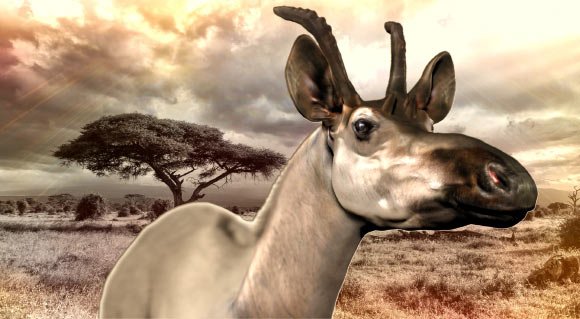
Decennatherium rex, this genus is distinguished by a more longer moose like snout. D.rex known from the Late Miocene of Madrid, Spain. Decennatherium rex has a somewhat larger masseteric fossa than most other giraffids and indicates more grazing habits than the extant Giraffids.


There once existed a Palaeomerycid (extinct family of ruminants closely related to Giraffids) named after one of the most iconic Star Wars characters, Padme Amidala. Meet Xenokeryx amidalae, known from the Mid-Miocene of Spain.
#paleontology
Art credit (Nix illustrations)

Okapi
The okapi, also known as the forest giraffe, congolese giraffe or zebra giraffe is the only other living member of the Giraffidae family, excluding Giraffes. It bears resemblance of a Zebra, but aren't related. Okapi is a medium-sized giraffid, standing 1.


Did you know that Pronghorns are the closest living relative to the Giraffidae Family? 🦌🦒🦓💛


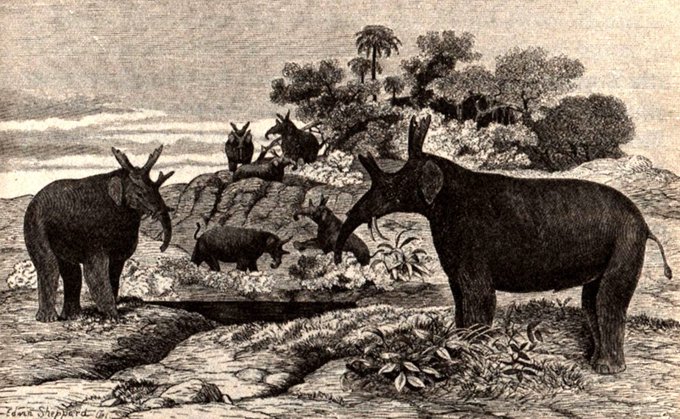
@Stroopwafelman @FrostDragonLiz Giraffid ossicones are the closest thing I can think of to uintathere horns, so a skin and fur covering seems most likely. However early artworks advised by Cope portrayed them with full antlers and a trunk.


New article in @PLOSONE . A team from ICP and @MNCNcomunica describes a new giraffid from the late Miocene. https://t.co/rJZvQuJnQM cc:


A new giraffid from the late Miocene of Spain provides insight into the evolution of giraffid lineages https://t.co/qjqh3Nqx9m