The Linnean Society of Londonさんのイラストまとめ
@LinneanSocietyFollow @LinneanSocietyさんをフォローする linnean.org
フォロー数:2686 フォロワー数:20041


Happy #Pride month! We've been creating pride flags using images from our collections, stay tuned for more to come on the significance of the colours and the collection items used! 🏳️🌈
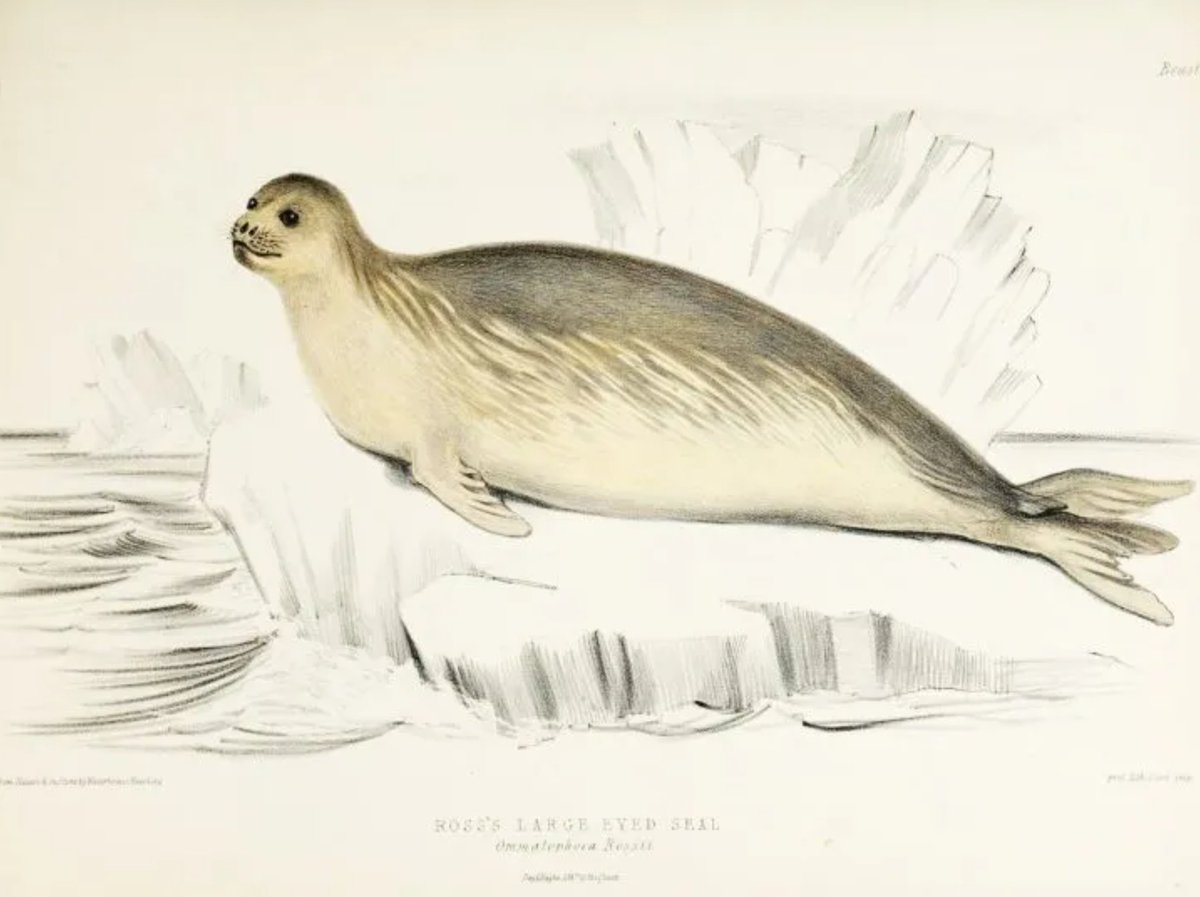
It is #DayoftheSeal
James Clark Ross FLS was an adventurer. He located the North Magnetic Pole (1831) & charted most of Antarctica’s coastline. The Ross Seal, 1st described at Ross expedition 1841, smallest of the Antarctic pinnipeds, was named after him.
https://t.co/nnRcjhqUnz

It’s Friday the 13th, and while it may feel unlucky for some, we’d like to cancel out any bad vibes with this snake plant, Sansevieria. Known for their medicinal benefits, they also absorb toxins, as shown in tests by NASA. In Feng Shui, they are thought to bring good luck! ☘

Carl Linnaeus' Lapland Diary (1732) manuscript was translated from Swedish to English by Sir James Edward Smith, English botanist and founder of the Linnean Society, in 1811.
#EYALanguages #ExploreYourArchive

Look! It's an Old Man's Beard (Clematis vitalba) with an old man's beard! Watercolour by JRG Gwatkin; owner of magnificent beard is Jacob Bobart the Elder (1599–1680), a German botanist and the first head gardener of Oxford Botanic Garden. @OBGHA
#EYABeards #ExploreYourArchives


#Engraving -printmaking technique involving incisions on a metal plate which retain the ink to form a printed image. We hold engraved portraits of >850 people, dating from mid-16th-early 20th C including Plato, Pliny the Elder & Zenobia
Explore here: https://t.co/aONF8ybaJ7

For #nationalappleday we're sharing this lovely 1899 image of ‘Gustav’s Dauerapfel’, a variety originating from Switzerland in 1895. 'Malus pumila', the domesticated apple, has been cultivated globally for centuries, but apples originated from Central Asia.
#apples #taxonomy


September newsletter is now flying out! Packed with history essays, new events, medals and grant news, fascinating papers on the natural history of annelids, how birds fly and much more.
Read here: https://t.co/hGcq74zKAy
Subscribe here: https://t.co/yJyUxT2Nwr


#Haeckel was commissioned to undertake the identification of the radiolarians for British Challenger expedition in the 1870s & described more than 4,000 species of these exquisite unicellular organisms.
He went on to be awarded the Linnean Society’s Linnean Medal in 1894.