
NationalDietLibraryさんのイラストまとめ
@NDLJP_enFollow @NDLJP_enさんをフォローする
フォロー数:5 フォロワー数:8161

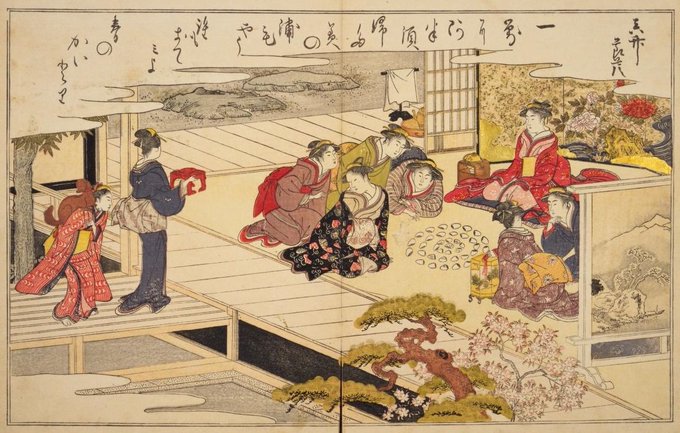
This artwork by Kitagawa Utamaro depicts the scene of a shell-matching game. The inside of each shell carries an exquisite little picture of a subject such as birds, flowering plants or scenes from the Tale of Genji or the Tales of Ise. #ndldigital
https://t.co/5SyQueZKOn
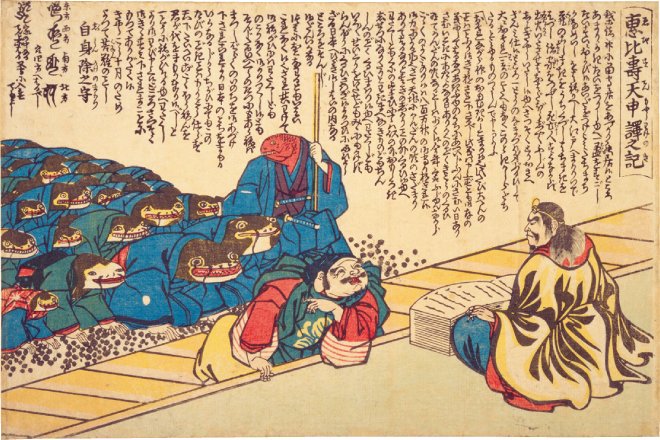
Namazu-e in the Edo period, depicting Ebisu and explaining how catfish cause earthquakes https://t.co/3x05hPcB8W #ndldigital
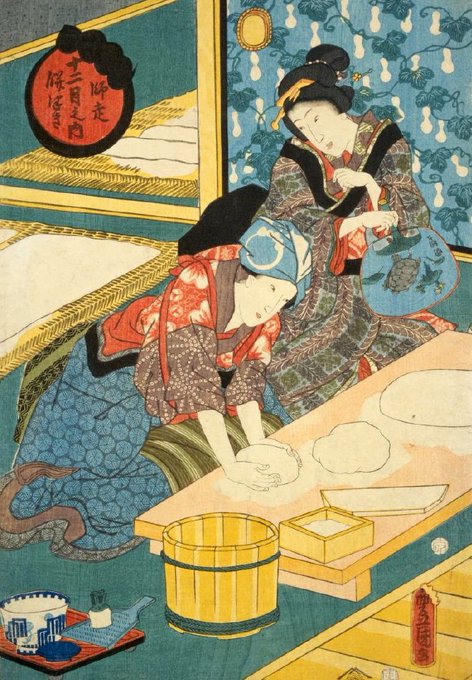
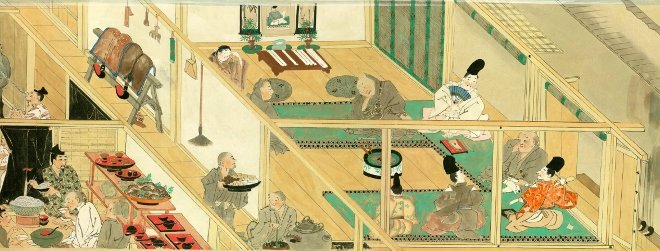
Gain insight into the history of Japanese sweets and confectionery: https://t.co/w2qbRDqojm #ndldigital
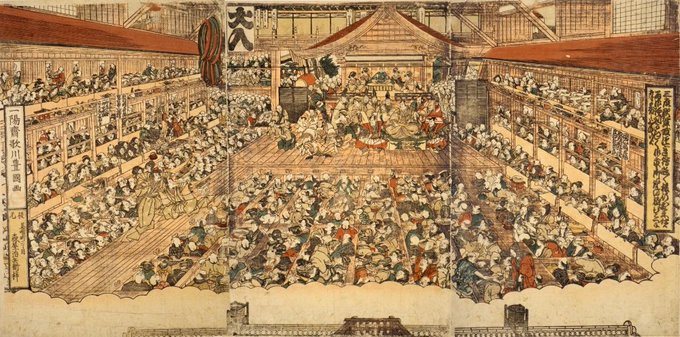
Step inside the Nakamura-za, one of the largest kabuki theaters of the 19th century: https://t.co/2moG1FWVlw #ndldigital
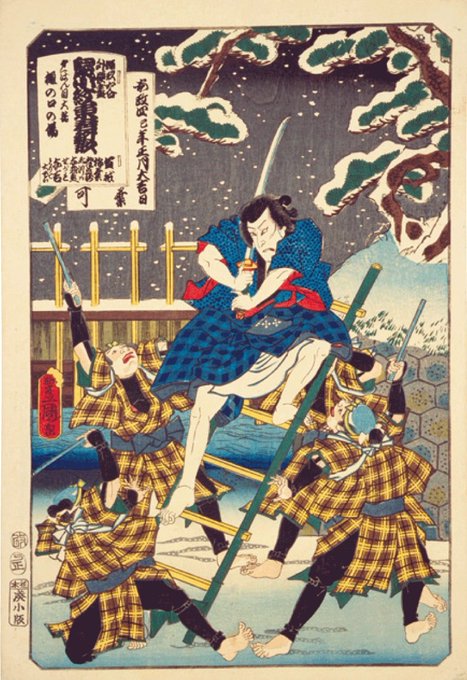
Read this article about Nezumikozo, who was a master thief during the 19th century. His exploits have been celebrated in kabuki plays, storytelling, and nishiki-e, resulting in a popular image as a Robin–Hood-esque character. #ndldigital
https://t.co/laMsjo0xDi

This beautiful artwork was taken from Meiji-period calendars. Check out the stories hidden behind them: #ndldigital https://t.co/3TKb0HFtSf

The bank of the Sumida River has long been a popular place to enjoy cherry blossoms in the spring. This woodblock print by Kobayashi Kiyochika depicts boats full of blossom viewers in the Meiji era. #ndldigital https://t.co/Y0D8QZM1YE

Dreaming of outer space: From ancient to modern times: https://t.co/YQV0nzcfKx

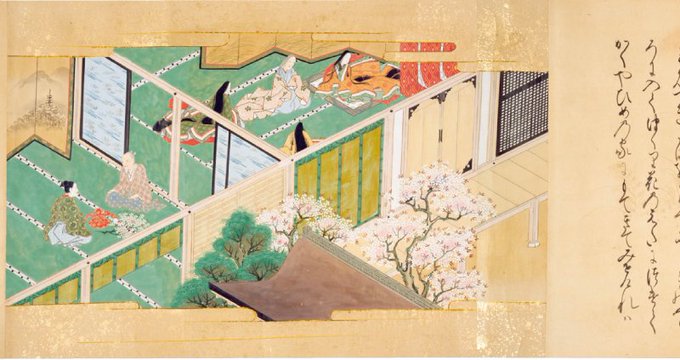
Picture scrolls first appeared during the Nara period in the 8th century and are considered to be the origin of picture books in Japan. Read more about their history in this article! #ndldigital https://t.co/ZAQehEO5di
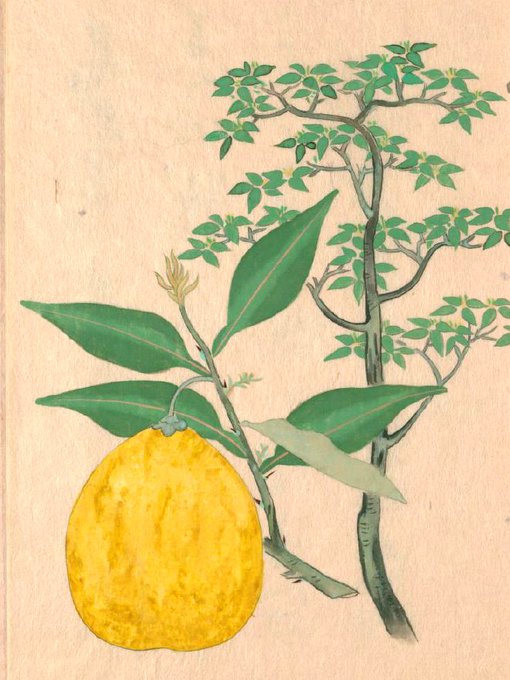
The history of Japanese confectionery illustrates Japan's interaction with other countries: https://t.co/w2qbRDqojm #ndldigital