
NationalDietLibraryさんのイラストまとめ
@NDLJP_enFollow @NDLJP_enさんをフォローする
フォロー数:5 フォロワー数:8161


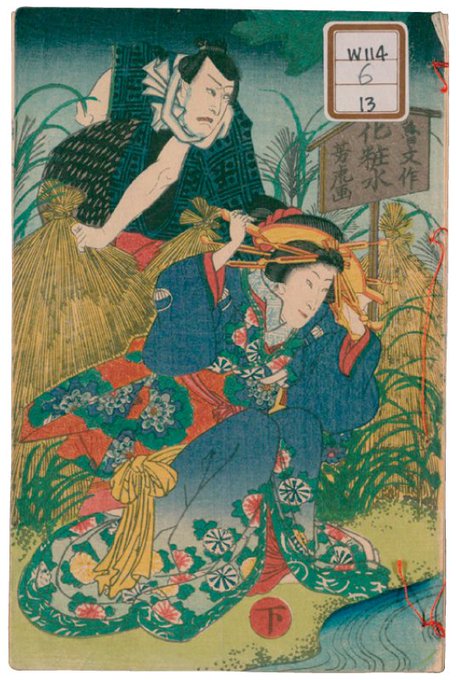
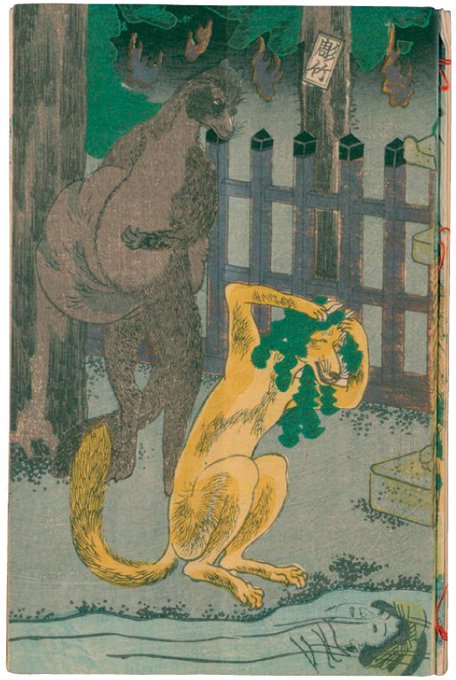
This book from the Edo period includes illustrations of men and women in colorful costumes. But when you turn the page, you'll find that they are actually kitsune (foxes) and tanuki (raccoon dogs) disguised as humans. #ndldigital https://t.co/uzyKvjpu5Y

A century-year-old guidebook for dog lovers features topics such as: "How long before my dog is old enough to go to school?" See this and many other Japanese books about man's best friend! #ndldigital https://t.co/9x7wUJCqjF

The bank of the Sumida River has long been a popular place to enjoy cherry blossoms in the spring. This woodblock print by Kobayashi Kiyochika depicts boats full of blossom viewers in the Meiji era. #ndldigital https://t.co/K2Nlx1BYWo

This wood-block print depicts the Tomioka seishijo (Tomioka Silk Mill), Japan's oldest silk-reeling factory, which was named a UNECO World Heritage site in 2014. #ndldigital https://t.co/uzyKvjpu5Y


The history of Japanese confectionery illustrates Japan's interaction with other countries: https://t.co/V15d5ZDFDl #ndldigital


The world of geisha introduced through popular magazines in the early 20th century: https://t.co/JAkGcUk9H1


Explore records of earthquake disasters in the NDL Digital Collections https://t.co/ySXX3gm02z #ndldigital

Step inside the Nakamura-za, one of the largest kabuki theaters of the 19th century: https://t.co/2moG1FWVlw #ndldigital

Browsing library materials—A look at documents from medieval Japan, Part 5 "Since I have eye trouble”—Medieval etiquette when using carved seals: https://t.co/tBEHVva3R6


Portraits of popular sumo wrestlers were best sellers among sumo fans in the Edo period. The concept may be somewhat similar to the photojournalism that depicts celebrities today: https://t.co/GONyLlTvBs