
Pre Cinema History 📷🎞️🇨🇦 🏴さんのイラストまとめ
@RealPreCinemaFollow @RealPreCinemaさんをフォローする
Author, researcher and compiler of THE HISTORY OF THE DISCOVERY OF CINEMATOGRAPHY.
I post daily here on X.
フォロー数:306 フォロワー数:2610


From other works by Sandby, the woman has been identified as Lady Frances Scott, an amateur artist of some repute. She is seen sketching a view with the help of a ‘Camera Obscura’.
The design of this optical device I believe, is that of a Storer ‘Royal Delineator’. https://t.co/B5TYyeC2FY
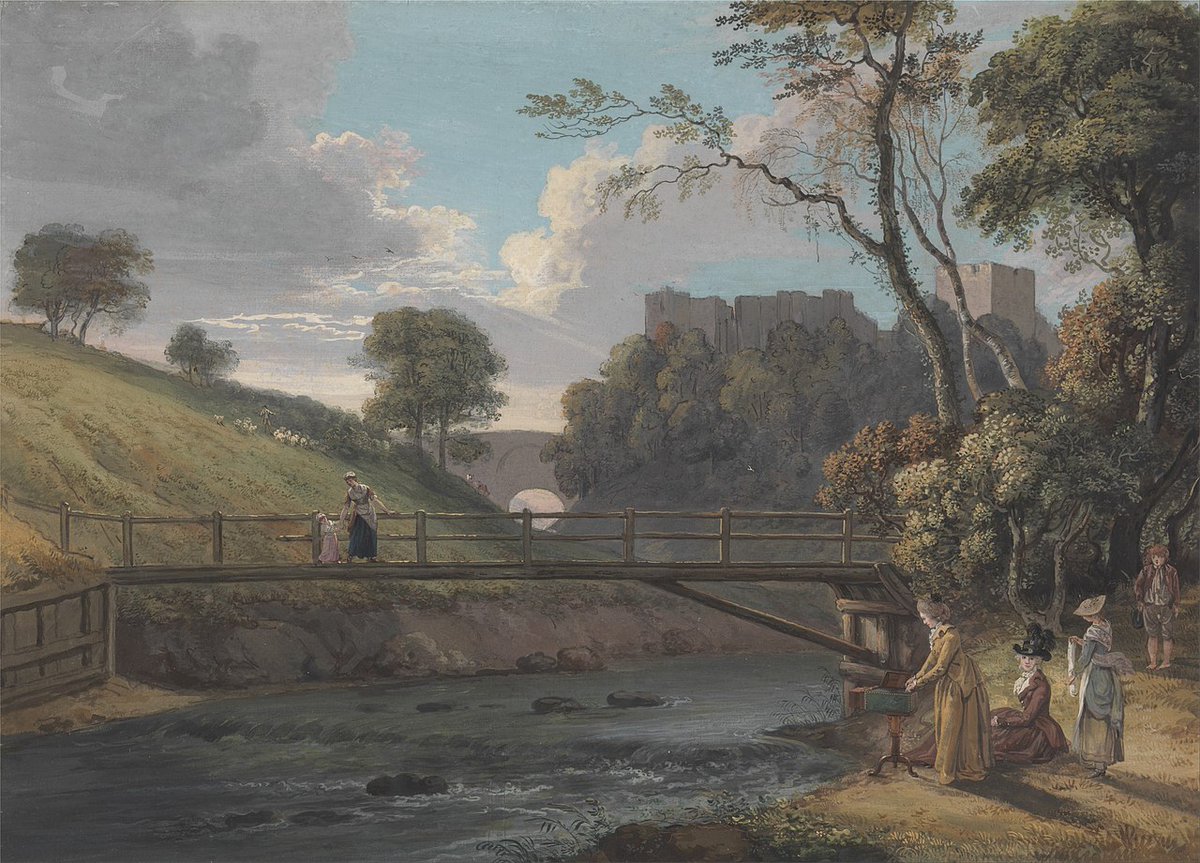
1780
CAMERA OBSCURA ‘IN’ ART
PAUL SANDBY (1731-1809)
Considered the ‘father of watercolour’, Sandby has depicted in his painting ‘Rosslyn Castle, Midlothian’ from ca.1780, a camera being used by a lady.

1750
JAMES AYSCOUGH (1720-1759)
Ayscough was a London optician who published this illustration of a room 'Camera Obscura' in a short 27-page publication of his, this year.

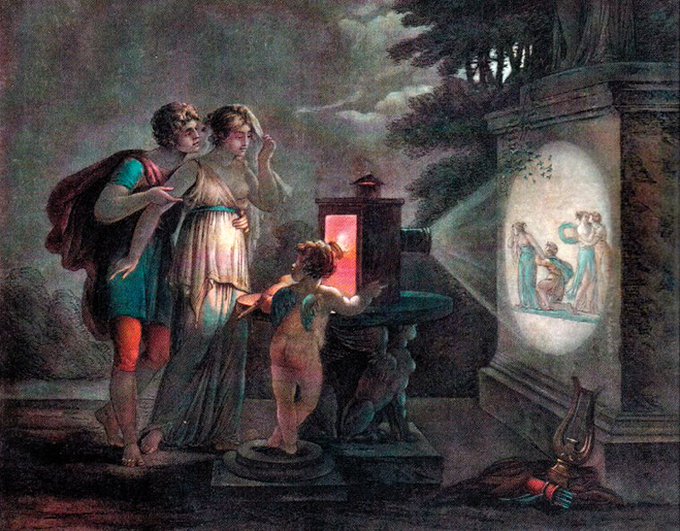

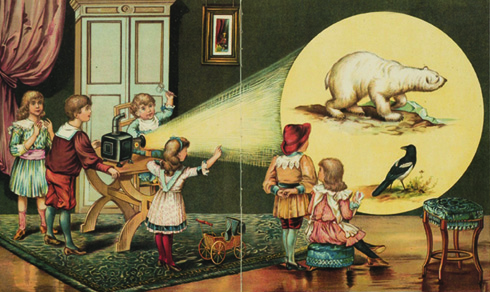
THREE CENTURIES OF HOME THEATRE
The ‘Magic Lantern’ was once the cinema of the 17th, 18th & 19th centuries.
It was once as common in homes as 4K home theatre is today.
The tin box with a chimney was a vital component that made up the art of seeing pictures 'move'.
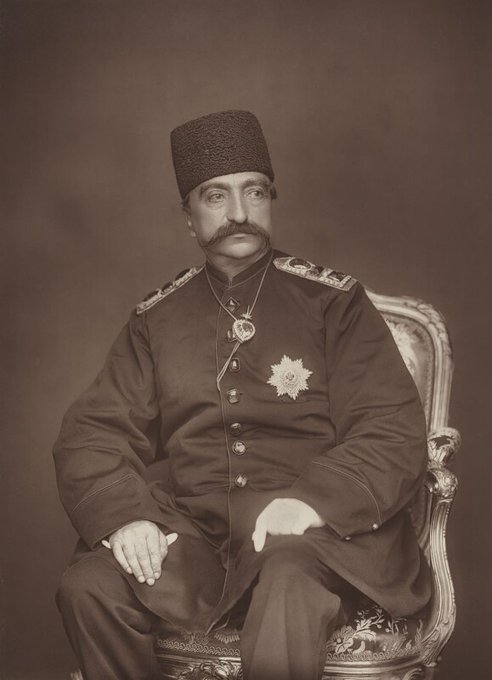

Melhuish became Honorary Secretary to the Amateur Photographic Association, formed in 1861 and in 1873 he was named ‘Photographer Royal’ to the Shah of Persia (below) following his visit to London during that year. -30- https://t.co/LRQ9jGtIvB

THE USUAL SUSPECTS
No. 3 DETECTIVE CAMERAS
In the Eli Nesmith box, there was no camera or projector. Followers to Stephen Herbert’s ‘The Optilogue’ web page/blog have suggested detective cameras from the 19th century.
There are several culprits that may have done the deed. https://t.co/yyg00AtiAf

Brewster’s ‘Polyangular Kaleidoscope’ angled view from ‘A Treatise on The Kaleidoscope’, Printed for Archibald Constable & Co. Edinburgh, 1819, appendix, plate III, fig. 18. https://t.co/dqLZGE4bwu


Therefore, Müller stated that people who believe they are seeing spectres, ghosts, phantoms or other visions, might be really experiencing ‘optical sensations’ and truly believe these visions to be of external origin, even if there is no external stimulus taking place. https://t.co/1pwxsyFP3S
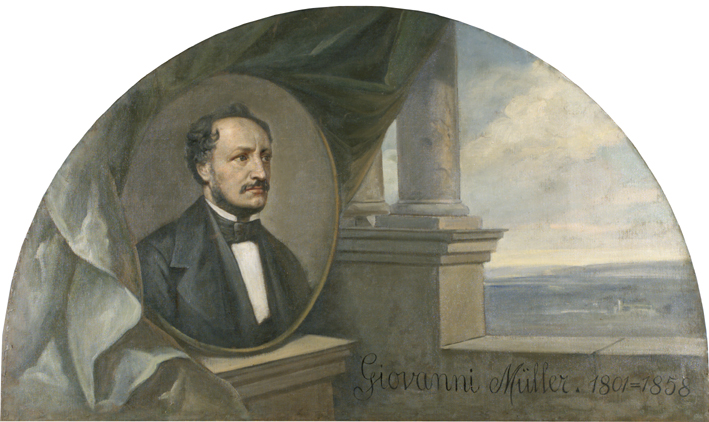
1845
JOHANN PETER MÜLLER (1801-1858)
This physicist and scientist begins to use the ‘Fantoscope’ and its use of disks, to study wave motion in light.


Synthetic red lead (also called 'lead red') was made in China as early as the Han era (206 BC to 220 AD), and no evidence exists that the natural version of the pigment was ever utilised there. -30- https://t.co/MtersKIsHE