
Dr Robert Bohanさんのイラストまとめ
@RobertBohanFollow @RobertBohanさんをフォローする
フォロー数:247965 フォロワー数:294337


Rembrandt’s beloved son Titus was born in 1641 but Saskia died in 1642. Titus would look after his dad & rescue him from his spendthrift ways. Titus (1655, 1656 & 1657) & Saskia (1635)


Susannah (c1634), Sacrifice of Isaac (1635), Belshazzar’s Feast (1636) & Portrait of Baartgen Martens Doomer (1640). Story telling is all in his religious works - tenseness, vulnerability & surprise. His portrait of Baartgen is a moving image of empathy.


His portraits are powerful images of his sitters. Centuries later we feel we have some understanding of who these people were & how they felt. Johannes Wtenbogaert (1633), Artemisia (1634), Descent from the Cross (1634) & Aechje Claesdar (1634)


Rembrandt always showed a great deal of empathy & respect towards the elderly. With astonishing ability he creates psychologically profound stories in his pictures. St Paul (1629-30), Anna & the Blind Tobit (c1630), Jeremiah (1630) & A Man taking a Leak (1631)


He was back in Leiden with his mate Jan Lievens & they opened a studio together (1624). He took students from 1627 (they had to pay fees). Rembrandt in his studio (1626-8), Tobit accusing Anna (1626) & Parable of the Rich Man (1627). The latter is an early masterpiece of light

As a clever child he studied Latin & was enrolled in the Uni. However he quickly moved to studying under a Leiden painter (1620s) & later the Amsterdam artist, Pieter Lastman. The Stoning of S Stephen (1625) shows Lastman’s influence.


Born in the University city of Leiden, his parents were comfortable - being a miller & the daughter of a baker. They were also a mixed marriage which allowed him to rise above the sectarianism of the 17th C. Touch, Smell & Sight (1624-5) storytelling was a thread through his work


In 1920 the two were discovered in bed, Modigliani desperately ill with TB. He died on this day in 1924, aged 35. Jeanne couldn’t cope & killed herself. They died destitute & his work unrecognised. Polish Woman (1919), Anna Zborowska (1919), Seated Girl (1919) & Boy (1919)
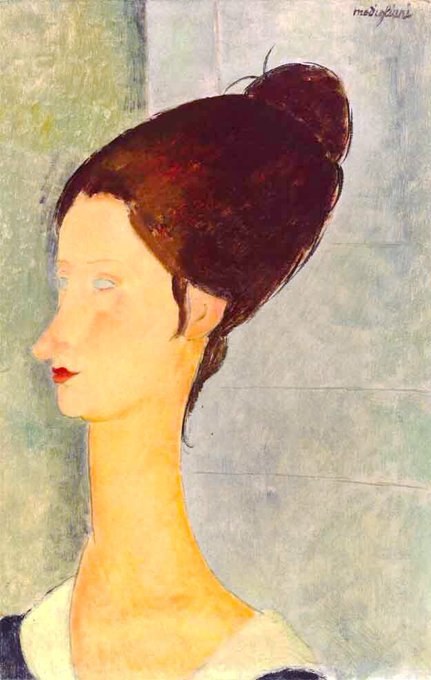


The couple moved to Nice in 1918 where Jeanne had a baby. They returned to Paris in 1919. There she was pregnant again. His health continued to decline. Jeanne Hébuterne (1918), Léopold Zborowski (1918), Man with Pipe (1918) & Jeanne Hébuterne (1918)
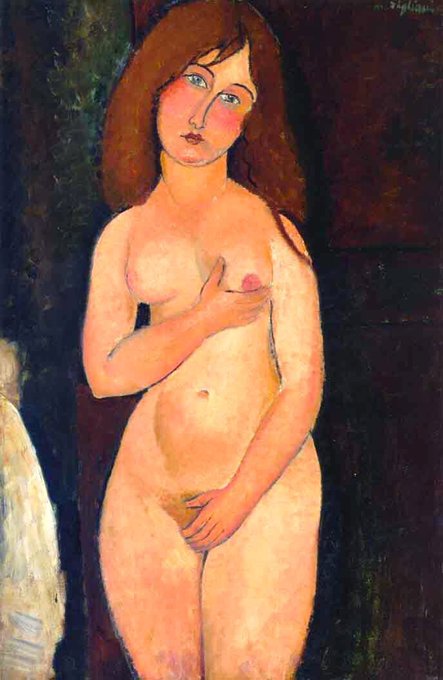


He had an exhibit at the Berthe Weill Gallery in Paris. It lasted several hours before being shut down by police! Venus (1917), Girl in Blue (1918) & Gypsy Girl with Baby (1918)