Dr Robert Bohanさんのイラストまとめ
@RobertBohanFollow @RobertBohanさんをフォローする
フォロー数:247965 フォロワー数:294337


One great interest of his was grisaile paintings. They are designed to look like carved stone & reflect on his interest in antiquity. These include David & Goliath (1490-5), Samson & Goliath (c1500), Judith with Head of Holofernes (1495) & Judgement of Solomon (c1500)

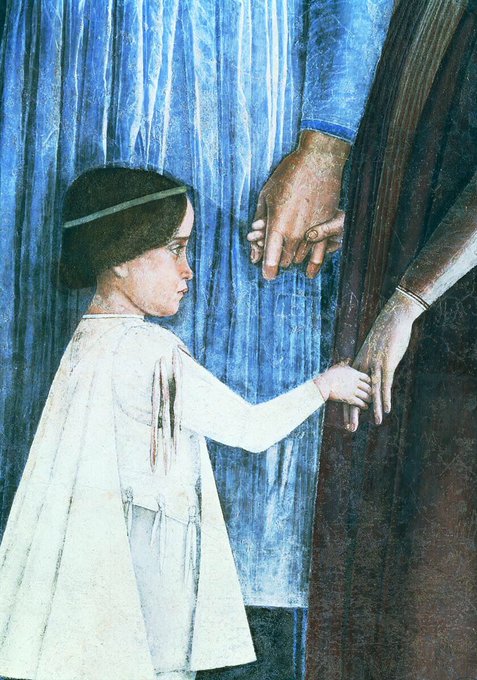


In 1460 Mantegna was appointed Court artist by Ludovico III Gonzaga at his Ducal Court in Mantua. There he created frescoes in the Camera degli Sposi, Ducal Palace, Mantua (1465-74). These document the Duke & his Court. His oculus is one of the triumphs of the Renaissance


Presentation at the Temple (1460), Cardinal Trevisan (1459-60) & St George (1460). The Portrait came about when the Pope commissioned Mantegna to paint the Cardinal who was part of the Council of Mantua (1459). The Council sought to rally Europeans against the Ottomans


St Sebastian (1457-8, 1480 & c1490) was painted by him at least 3 times. These show his development & growing confidence. His interest in Roman architecture & a desire to show an antique vista are apparent. So too is increased emotion as he sought to paint spiritual suffering


One of Mantegna’s first major jobs was working on the Ovetari Frescoes (c1450-6), which show the martyrdom of St Christopher. He completed the overall scheme & his style is apparent in the heads & the architecture depicted.


Thread: Andrea Mantegna (c1431-1506), Italian Renaissance painter & antiquarian, died on this day. His work linked modern painting with Roman antiquity. Oculus, Camera degli Sposi (1465-74), Madonna & Child (c1455) & Portrait of a Man (c1470). He is one of my favourite artists
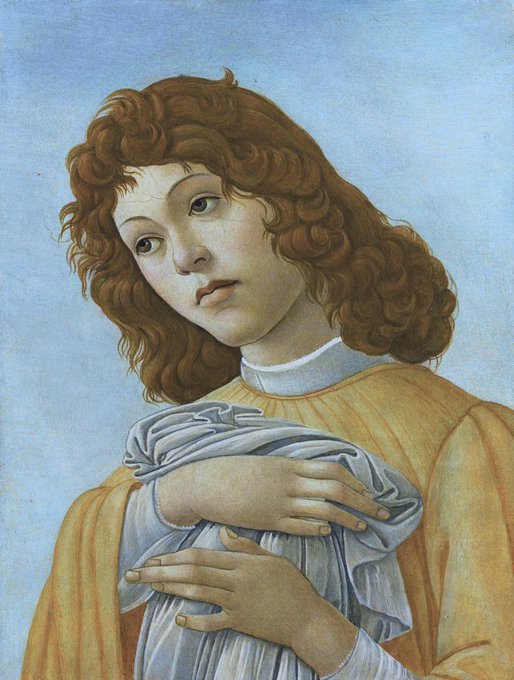
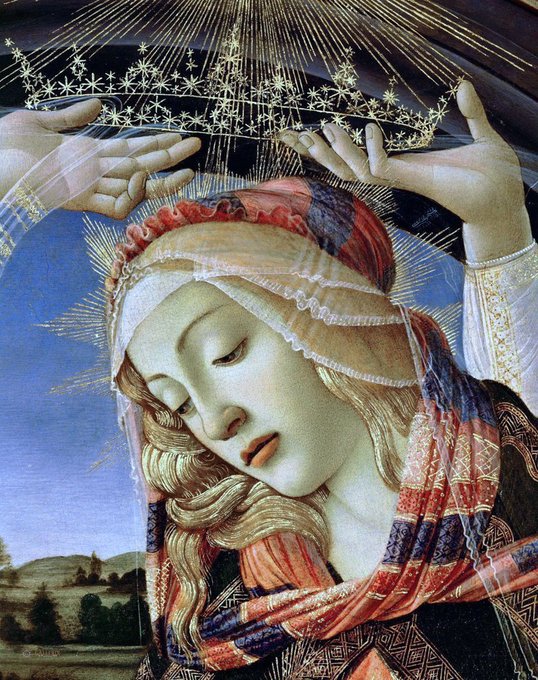
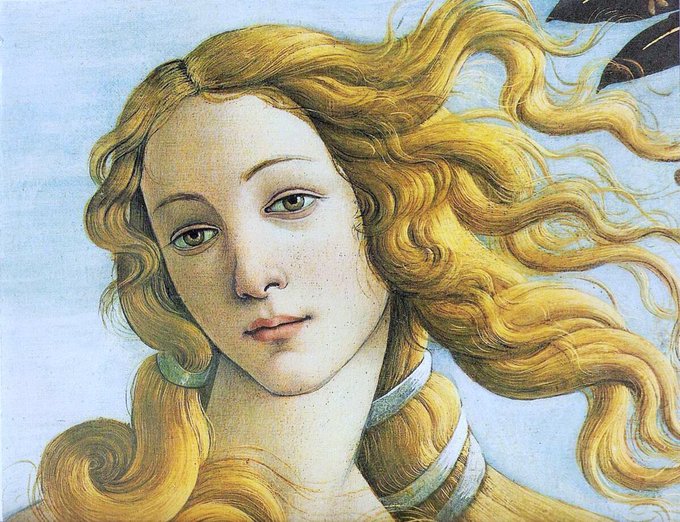
Botticelli was considered decadent in the 19th C. Indeed Wilde was one of his promoters. Conservative society was uncomfortable with the nudity, the beautiful youths & indeed the suppressed emotion. Today, it is for these reasons he is loved.
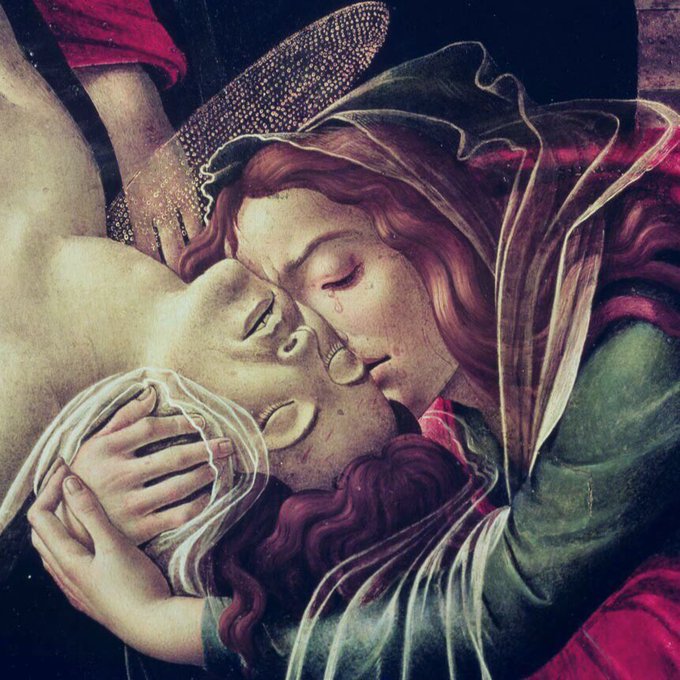
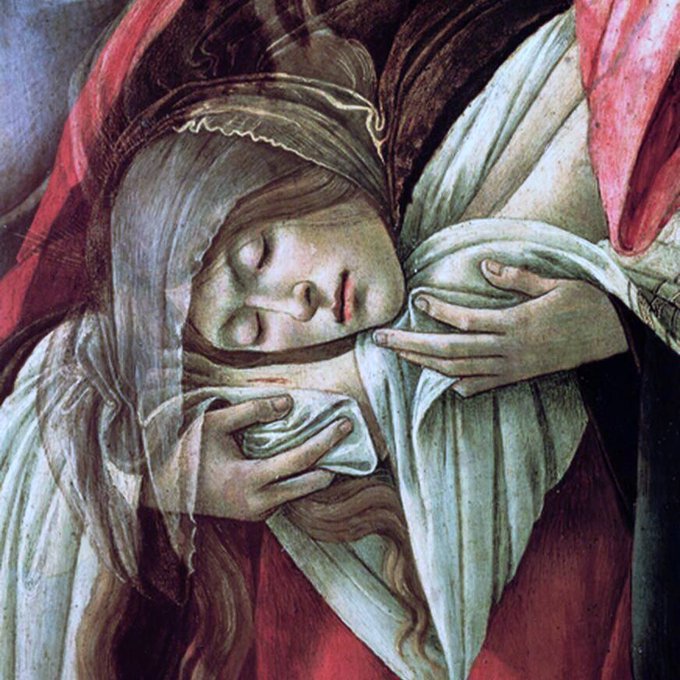
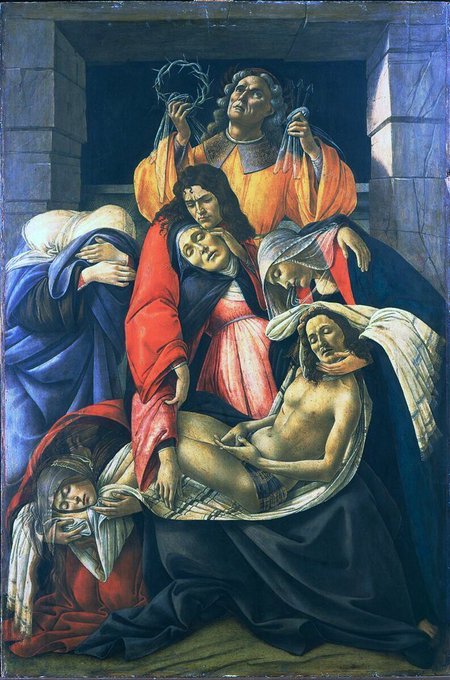
Lamentation over the Dead Christ (c1490) is a powerful image of grief. In this work the painter puts every ounce of his faith into one image. The painting confronts us with both the belief & the genius of the Italian artist.
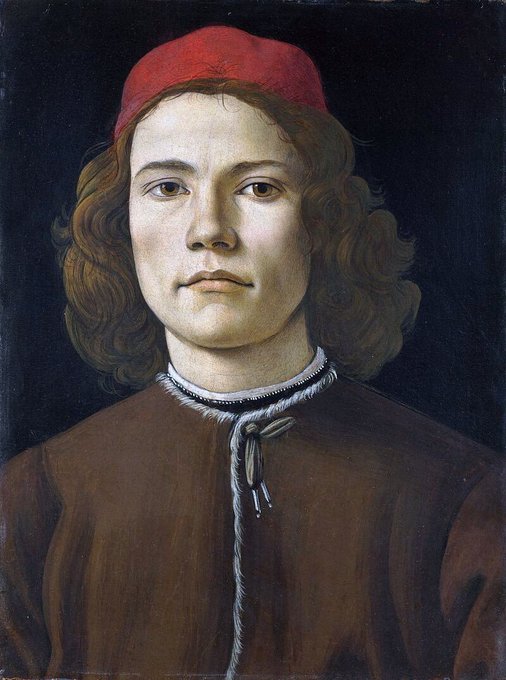
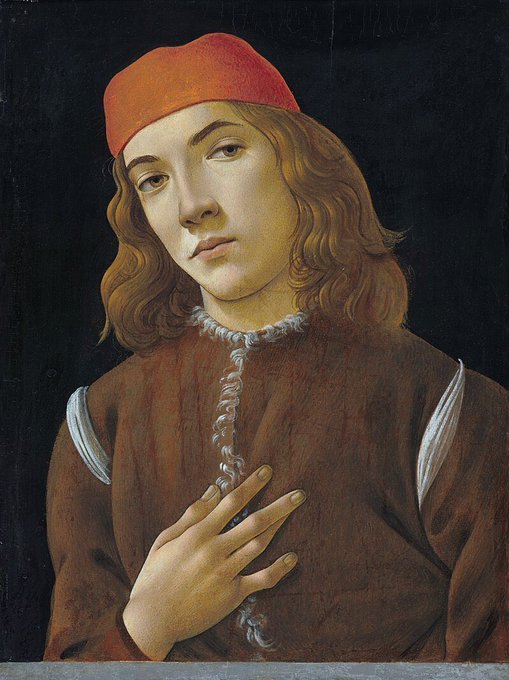
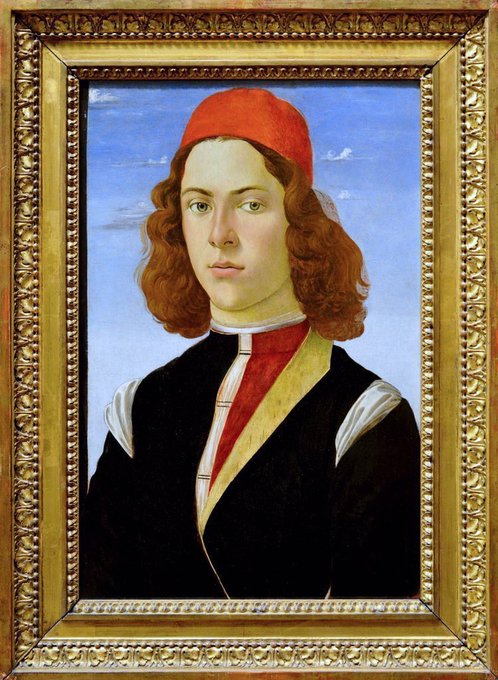
When he turns to painting his favoured young men he gives us not just beauty but also likenesses. Rarely does he combine a portrait with truth & beauty unless it’s a young man. Portrait of a Young Man (c1483, c1483 & c1485)


His portraits of women lack the veracity of his men. They are presented in almost heraldic form. Allegory of Abundance (1480-5), Portrait of a Young Woman (c1480) & Young Woman (1480-5)